 EN
EN


Sourcing quality Nissan Patrol parts for bulk orders requires strategic planning, supplier evaluation, and thorough understanding of automotive component specifications. Whether you're managing a fleet of Nissan Patrol vehicles or operating an automotive parts distribution business, securing reliable supplies of authentic components is crucial for maintaining operational efficiency and customer satisfaction. The complexity of modern vehicle systems demands careful attention to part compatibility, quality standards, and supplier reliability when establishing bulk procurement relationships.
Understanding Nissan Patrol Parts Categories and Specifications
Engine and Powertrain Components
Engine components represent the most critical category when sourcing Nissan Patrol parts for bulk operations. These vehicles typically feature robust V6 or V8 engines designed for heavy-duty applications, requiring specialized components that meet strict OEM specifications. Key engine parts include timing chains, oil pumps, fuel injectors, and engine control modules that must maintain precise tolerances for optimal performance. Understanding the specific engine configurations across different Nissan Patrol model years is essential for accurate part identification and procurement planning.
Transmission systems in Nissan Patrol vehicles demand equally careful attention when establishing bulk sourcing relationships. Automatic transmission components such as valve bodies, torque converters, and transmission control units require specific fluid specifications and calibration parameters. Manual transmission variants, while less common in recent models, still require specialized clutch assemblies and synchronizer components that must meet exact dimensional specifications for proper operation.
Body and Exterior Components
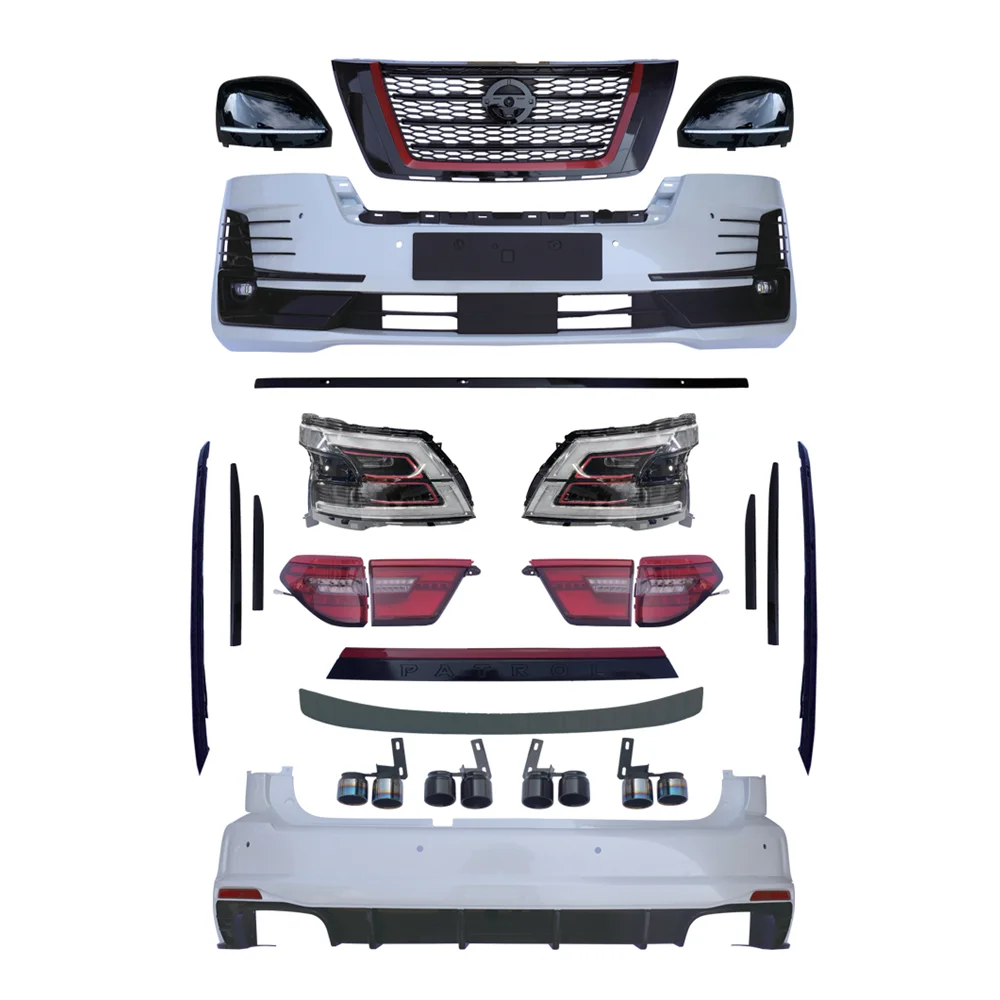
Body panels and exterior components for Nissan Patrol vehicles require careful consideration of material specifications, finish quality, and dimensional accuracy. Fender panels, door assemblies, and bumper systems must maintain structural integrity while providing proper fitment with existing vehicle components. Paint matching and surface preparation requirements add complexity to bulk sourcing decisions, particularly when dealing with metallic or pearl finish options that require precise color coordination.
Lighting systems represent another critical category within Nissan Patrol parts procurement strategies. LED headlight assemblies, tail light units, and fog lamp systems require specific electrical specifications and housing materials that ensure long-term durability in harsh operating conditions. Understanding the evolution of lighting technology across different model years helps identify compatible upgrade paths and standardization opportunities for bulk purchasing programs.
Supplier Evaluation and Quality Assurance Strategies
Manufacturer Certification and Compliance
Establishing relationships with certified suppliers is fundamental to successful bulk procurement of Nissan Patrol parts. OEM certification programs provide assurance that components meet original manufacturing specifications and quality standards. Aftermarket suppliers with ISO certification and automotive industry quality management systems offer alternative sourcing options while maintaining acceptable quality levels. Verification of supplier certifications, manufacturing capabilities, and quality control processes helps mitigate risks associated with substandard components.
Supply chain transparency becomes increasingly important when sourcing Nissan Patrol parts from multiple suppliers across different geographic regions. Documentation requirements, traceability systems, and batch tracking capabilities enable effective quality control and recall management when necessary. Understanding supplier manufacturing processes, testing procedures, and quality assurance protocols helps establish confidence in component reliability and performance consistency.
Testing and Validation Procedures
Implementing comprehensive testing protocols ensures that bulk-sourced Nissan Patrol parts meet performance expectations and compatibility requirements. Dimensional verification, material analysis, and functional testing help identify potential issues before components enter operational service. Establishing baseline performance parameters and acceptance criteria provides objective standards for evaluating supplier quality and consistency over time.
Field testing programs offer valuable insights into real-world performance characteristics of sourced components. Controlled installation and monitoring of sample parts across representative vehicle populations provides data on durability, reliability, and customer satisfaction metrics. This information supports informed decision-making for large-scale procurement commitments and supplier relationship development.
Inventory Management and Logistics Considerations
Demand Forecasting and Planning
Accurate demand forecasting forms the foundation of effective bulk sourcing strategies for Nissan Patrol parts. Historical consumption data, vehicle population analysis, and maintenance scheduling patterns provide insights into future parts requirements. Seasonal variations, fleet expansion plans, and vehicle age demographics influence demand patterns that must be considered when establishing procurement volumes and delivery schedules.
Parts obsolescence and model year transitions create additional complexity in demand planning for Nissan Patrol parts. Understanding manufacturer production schedules, model refresh cycles, and component supersession patterns helps optimize inventory investments while minimizing obsolescence risks. Collaborative planning with suppliers and customers provides enhanced visibility into future requirements and helps align procurement strategies with market dynamics.
Storage and Handling Requirements
Proper storage conditions are essential for maintaining the quality and performance characteristics of bulk-sourced Nissan Patrol parts during extended inventory periods. Temperature-sensitive components such as rubber seals, electronic modules, and hydraulic components require controlled environmental conditions to prevent degradation. Establishing appropriate storage facilities with climate control, inventory rotation procedures, and handling protocols protects investment value and ensures component reliability.
Packaging specifications and handling procedures must accommodate the diverse range of component types and sizes typically found in Nissan Patrol parts inventories. Heavy components such as engine blocks and transmission assemblies require specialized lifting equipment and secure storage systems. Delicate electronic components need protection from electrostatic discharge and moisture exposure that could compromise functionality.
Cost Optimization and Procurement Strategies
Volume Purchasing Benefits
Bulk purchasing programs for Nissan Patrol parts offer significant cost advantages through economies of scale and supplier relationship development. Volume commitments enable negotiation of preferred pricing structures, extended payment terms, and priority allocation during supply shortages. Understanding minimum order quantities, price break points, and volume incentive programs helps optimize procurement costs while maintaining adequate inventory levels.
Long-term supply agreements provide stability and predictability for both buyers and suppliers in the Nissan Patrol parts market. Multi-year contracts with volume commitments enable suppliers to invest in capacity expansion, process improvements, and technology upgrades that benefit all parties. Price escalation clauses, quality guarantees, and performance metrics ensure that agreements remain mutually beneficial over extended periods.
Alternative Sourcing Strategies
Diversified sourcing approaches reduce supply chain risks and create competitive pressure that benefits procurement costs for Nissan Patrol parts. Developing relationships with multiple suppliers for critical components provides backup options during disruptions and enables comparative evaluation of quality and service levels. Geographic diversification of supplier bases helps mitigate regional risks while potentially reducing logistics costs through proximity advantages.
Remanufactured and refurbished component programs offer cost-effective alternatives for certain categories of Nissan Patrol parts. Core exchange programs, warranty provisions, and quality certifications help ensure that remanufactured components provide acceptable performance and reliability. Understanding the economics and availability of remanufactured options enables optimization of total procurement costs while maintaining quality standards.
Technology Integration and Digital Solutions
Electronic Cataloging Systems
Modern parts cataloging systems streamline the identification and procurement process for Nissan Patrol parts across diverse model years and configurations. Electronic parts catalogs with VIN decoding capabilities ensure accurate part number identification and compatibility verification. Integration with procurement systems, inventory management platforms, and supplier databases creates seamless workflows that reduce ordering errors and processing time.
Digital parts matching and cross-referencing tools help identify alternative sources and equivalent components for Nissan Patrol parts procurement. Standardization databases, OEM cross-references, and aftermarket compatibility guides enable informed decision-making when evaluating sourcing options. These tools become particularly valuable when dealing with discontinued components or seeking cost-effective alternatives to OEM parts.
Supply Chain Visibility and Tracking
Real-time visibility into supplier production schedules, inventory levels, and delivery status enhances planning and execution of bulk Nissan Patrol parts procurement. Digital tracking systems provide updates on order progress, shipping status, and delivery schedules that enable proactive management of supply chain disruptions. Integration with customer systems allows for transparent communication of availability and delivery expectations.
Predictive analytics and machine learning applications offer advanced capabilities for optimizing Nissan Patrol parts procurement strategies. Demand pattern recognition, supplier performance analysis, and risk assessment tools provide insights that support strategic decision-making. These technologies enable continuous improvement of procurement processes and help identify opportunities for cost reduction and service enhancement.
FAQ
What are the key quality certifications to look for when sourcing Nissan Patrol parts?
Look for OEM certification, ISO 9001 quality management certification, and automotive industry-specific certifications such as IATF 16949. These certifications ensure that suppliers maintain appropriate quality control systems and manufacturing processes. Additionally, verify that suppliers comply with relevant safety and environmental regulations in their manufacturing jurisdictions.
How can I verify the authenticity of Nissan Patrol parts from bulk suppliers?
Verify part numbers against official Nissan catalogs, check for proper packaging and labeling with authentic holographic security features, and request certificates of authenticity from suppliers. Establish relationships with authorized distributors when possible, and implement incoming inspection procedures to validate component specifications and quality before acceptance.
What factors should be considered when negotiating bulk pricing for Nissan Patrol parts?
Consider annual volume commitments, payment terms, delivery schedules, and quality guarantees when negotiating bulk pricing. Evaluate total cost of ownership including logistics, inventory carrying costs, and potential obsolescence risks. Factor in supplier service levels, technical support capabilities, and flexibility to accommodate changing requirements over the contract period.
How do I manage inventory for slow-moving Nissan Patrol parts in bulk orders?
Implement ABC analysis to categorize parts by movement velocity and value, establish minimum and maximum stock levels based on demand patterns, and develop relationships with suppliers who offer consignment or vendor-managed inventory programs. Consider pooling arrangements with other buyers for very slow-moving items, and negotiate return or exchange provisions for obsolete inventory.
Table of Contents
- Understanding Nissan Patrol Parts Categories and Specifications
- Supplier Evaluation and Quality Assurance Strategies
- Inventory Management and Logistics Considerations
- Cost Optimization and Procurement Strategies
- Technology Integration and Digital Solutions
-
FAQ
- What are the key quality certifications to look for when sourcing Nissan Patrol parts?
- How can I verify the authenticity of Nissan Patrol parts from bulk suppliers?
- What factors should be considered when negotiating bulk pricing for Nissan Patrol parts?
- How do I manage inventory for slow-moving Nissan Patrol parts in bulk orders?