 EN
EN



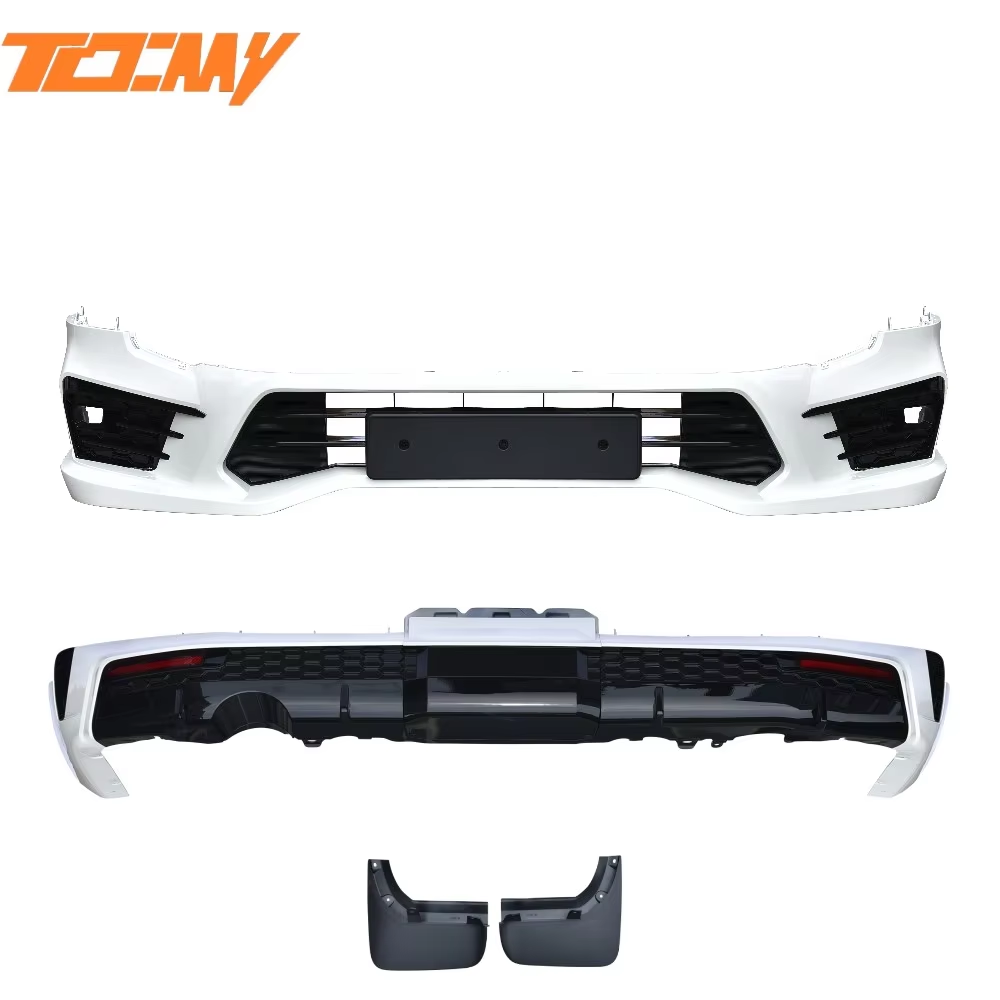
Toyota Land Cruiser owners understand the importance of maintaining their vehicle's legendary reliability and performance. When it comes to upgrading or replacing components, selecting the right Toyota Land Cruiser aftermarket parts becomes crucial for preserving both functionality and value. The aftermarket industry offers an extensive range of options, from essential maintenance components to performance-enhancing modifications that can transform your driving experience.
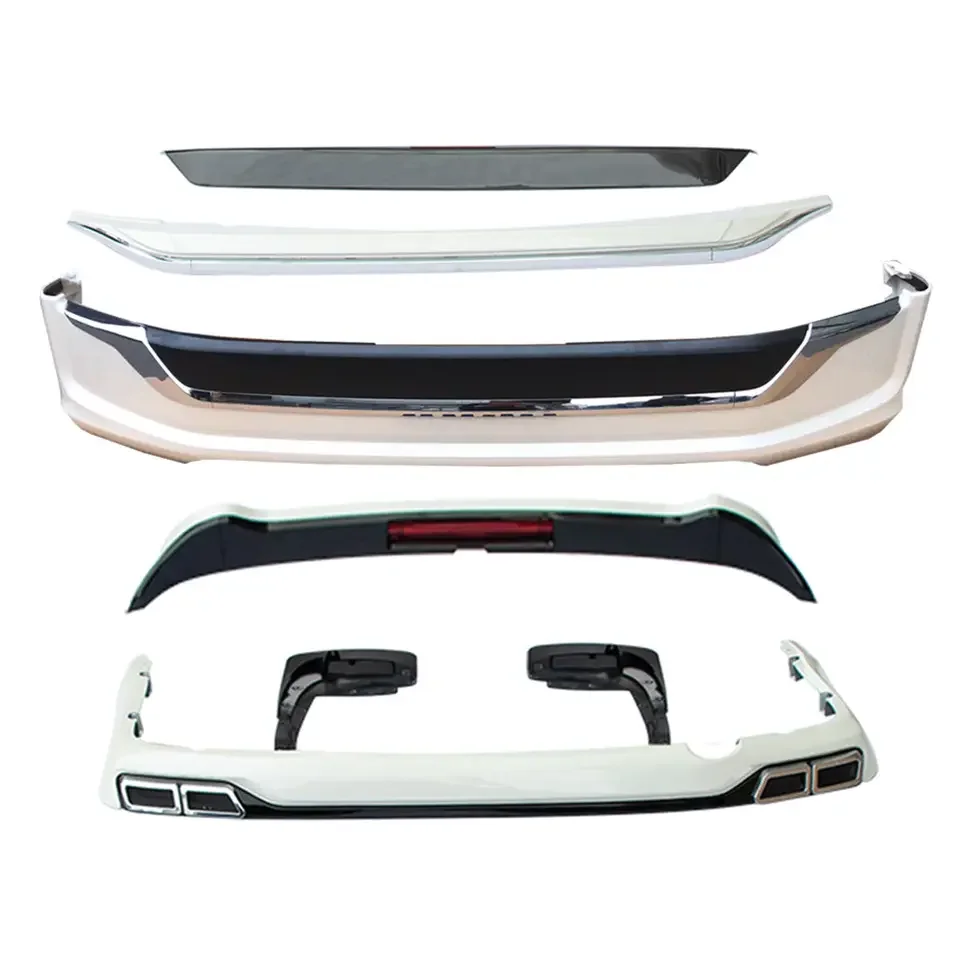
The market for Toyota Land Cruiser aftermarket parts has evolved significantly, offering solutions that often exceed original equipment manufacturer specifications. Professional installers and DIY enthusiasts alike benefit from understanding the various categories available and the factors that determine quality and compatibility. Making informed decisions requires knowledge of your specific model year, intended use, and performance goals.
Understanding Toyota Land Cruiser Model Variations
Generation Differences and Compatibility
Each generation of Toyota Land Cruiser presents unique characteristics that affect Toyota Land Cruiser aftermarket parts compatibility. The 200 Series, produced from 2008 to 2021, features different mounting points and specifications compared to earlier models like the 100 Series or the legendary 80 Series. Understanding these generational differences prevents costly purchasing mistakes and ensures proper fitment.
Modern Land Cruiser models incorporate advanced electronic systems that require careful consideration when selecting aftermarket components. The integration of stability control, traction management, and advanced suspension systems means that seemingly simple modifications can affect multiple vehicle systems. Researching your specific model year's requirements ensures compatibility and maintains safety standards.
Regional Specifications and Variants
Toyota produces Land Cruiser variants for different global markets, each with specific requirements and configurations. Australian-delivered models may feature different bumper designs compared to Middle Eastern specifications, while Japanese domestic market versions often include unique features. These variations directly impact the availability and compatibility of Toyota Land Cruiser aftermarket parts.
Engine options also vary significantly between markets and model years. The availability of diesel engines in certain regions creates different modification opportunities compared to gasoline-only markets. Understanding your vehicle's specific configuration helps narrow down compatible aftermarket options and prevents compatibility issues during installation.
Essential Categories of Aftermarket Components
Exterior Enhancement and Protection
Body kits and exterior modifications represent one of the most popular categories of Toyota Land Cruiser aftermarket parts. These components serve both aesthetic and functional purposes, offering improved aerodynamics, enhanced protection, and distinctive styling. Quality body kits include carefully designed bumpers, side skirts, and spoiler extensions that complement the vehicle's robust character.
Door moldings and mudguards provide essential protection against road debris and environmental hazards. Premium aftermarket options often feature superior materials and construction compared to original components, offering enhanced durability and weather resistance. These protective elements become particularly important for vehicles operating in challenging environments or off-road conditions.
Suspension and Handling Upgrades
Suspension modifications rank among the most impactful Toyota Land Cruiser aftermarket parts available. Upgraded shock absorbers, springs, and stabilizer bars can dramatically improve both on-road handling and off-road capability. Quality suspension components address the Land Cruiser's tendency toward body roll while maintaining the comfortable ride quality that owners expect.
Lift kits and leveling systems open up additional tire size options and improve ground clearance for serious off-road use. However, these modifications require careful consideration of their effects on vehicle geometry, drivetrain angles, and electronic systems. Professional installation often proves essential for complex suspension modifications to ensure proper alignment and safety.
Quality Assessment and Brand Selection
Manufacturing Standards and Certifications
Evaluating the quality of Toyota Land Cruiser aftermarket parts requires understanding manufacturing standards and industry certifications. Reputable manufacturers typically hold ISO certifications and comply with automotive industry quality standards. These certifications indicate consistent manufacturing processes and quality control measures that ensure reliable performance.
Material specifications play a crucial role in determining long-term durability and performance. High-quality aftermarket components often utilize advanced materials such as aluminum alloys, high-strength steel, or specialized polymers that offer superior performance compared to original equipment. Understanding material properties helps identify components that will withstand demanding operating conditions.
Warranty Coverage and Support
Comprehensive warranty coverage distinguishes premium Toyota Land Cruiser aftermarket parts from budget alternatives. Established manufacturers typically offer multi-year warranties that demonstrate confidence in their products' reliability and performance. Warranty terms should cover both material defects and workmanship issues, providing peace of mind for significant investments.
Technical support and installation guidance add significant value to aftermarket purchases. Manufacturers who provide detailed installation instructions, compatibility charts, and responsive customer service help ensure successful installations and optimal performance. This support becomes particularly valuable for complex modifications that require specific procedures or adjustments.
Installation Considerations and Best Practices
Professional Installation versus DIY Approaches
The complexity of modern Toyota Land Cruiser aftermarket parts often determines whether professional installation is necessary or if DIY installation remains feasible. Simple bolt-on components like exterior trim pieces or basic accessories typically suit DIY installation, while complex modifications involving suspension, exhaust, or electronic systems often require professional expertise.
Professional installers bring specialized tools, experience, and knowledge of potential complications that can arise during installation. Their expertise proves particularly valuable when working with Toyota Land Cruiser aftermarket parts that require precise fitment or integration with existing systems. The additional cost of professional installation often proves worthwhile when considering the potential consequences of improper installation.
Tools and Preparation Requirements
Successful DIY installation of Toyota Land Cruiser aftermarket parts requires appropriate tools and adequate preparation. Basic modifications may only require standard hand tools, while more complex installations might demand specialized equipment such as spring compressors, alignment tools, or diagnostic equipment for electronic systems.
Preparation extends beyond tool availability to include workspace considerations, safety equipment, and reference materials. Adequate lighting, stable work surfaces, and proper jack stands ensure safe working conditions. Having detailed installation instructions, wiring diagrams, or service manuals readily available prevents costly mistakes and ensures proper procedures are followed throughout the installation process.
Performance Impact and Compatibility
System Integration and Electronic Compatibility
Modern Toyota Land Cruiser models feature sophisticated electronic systems that can be affected by seemingly unrelated Toyota Land Cruiser aftermarket parts installations. Anti-lock braking systems, stability control, and traction management systems rely on precise sensor inputs and calibrated parameters. Modifications that alter vehicle geometry or weight distribution may require system recalibration or component updates.
Engine management systems in contemporary Land Cruisers monitor numerous parameters and adapt to maintain optimal performance and emissions compliance. Aftermarket components that affect airflow, exhaust flow, or sensor readings may trigger diagnostic trouble codes or reduce performance if not properly integrated. Understanding these interactions helps prevent compatibility issues and maintains vehicle reliability.
Long-term Reliability and Maintenance
The long-term reliability impact of Toyota Land Cruiser aftermarket parts depends heavily on component quality, installation quality, and ongoing maintenance requirements. Premium aftermarket components often exceed original equipment durability when properly installed and maintained. However, inferior quality parts or poor installation can compromise vehicle reliability and create ongoing maintenance challenges.
Maintenance requirements may change with aftermarket modifications, particularly for performance-oriented upgrades. Enhanced cooling systems may require more frequent coolant changes, while performance air filters might need cleaning intervals different from standard replacements. Understanding these requirements helps maintain optimal performance and prevents premature component failure.
Cost Considerations and Value Analysis
Initial Investment versus Long-term Value
Evaluating Toyota Land Cruiser aftermarket parts requires balancing initial costs against long-term value and performance benefits. While premium components command higher upfront costs, their superior durability and performance often provide better value over time. Cheaper alternatives may require more frequent replacement or create additional maintenance costs that offset initial savings.
Performance improvements and enhanced functionality can justify higher initial investments for Toyota Land Cruiser aftermarket parts. Components that improve fuel efficiency, reduce maintenance requirements, or enhance resale value provide ongoing benefits that compound over time. Calculating total cost of ownership helps make informed decisions about component selection and budget allocation.
Budget Planning and Phased Modifications
Comprehensive Toyota Land Cruiser modifications often benefit from phased implementation that spreads costs over time while ensuring compatibility between different upgrades. Starting with essential components like protective elements or basic performance upgrades establishes a foundation for future modifications. This approach allows for budget management while ensuring that each modification complements existing upgrades.
Prioritizing modifications based on immediate needs and long-term goals helps optimize budget allocation. Safety-related upgrades and essential maintenance items should take precedence over purely aesthetic modifications. This prioritization ensures that available funds address the most important improvements while building toward comprehensive enhancement goals.
FAQ
What factors should I consider when selecting Toyota Land Cruiser aftermarket parts?
When selecting Toyota Land Cruiser aftermarket parts, consider your specific model year and variant, intended use, quality and certification of the manufacturer, warranty coverage, installation requirements, and compatibility with existing vehicle systems. Research the manufacturer's reputation, read reviews from other Land Cruiser owners, and ensure the parts meet your performance goals and budget constraints.
How do I ensure compatibility between different aftermarket modifications?
Ensuring compatibility requires research into how different Toyota Land Cruiser aftermarket parts interact with each other and existing vehicle systems. Consult with experienced installers or modification specialists, review manufacturer compatibility guides, and consider the cumulative effects of multiple modifications on vehicle geometry, weight distribution, and electronic systems. Planning modifications as a complete system rather than individual components helps prevent compatibility issues.
Are aftermarket parts covered under vehicle warranties?
Toyota Land Cruiser aftermarket parts installation may affect vehicle warranty coverage, depending on the specific components and their impact on vehicle systems. Generally, manufacturers cannot void warranties simply for using aftermarket parts, but they can deny coverage for failures directly related to aftermarket modifications. Review your warranty terms and consult with your dealer before making significant modifications to understand potential impacts on coverage.
What maintenance changes are required after installing aftermarket components?
Maintenance requirements for Toyota Land Cruiser aftermarket parts vary depending on the specific components installed. Performance modifications may require more frequent service intervals, specialized fluids, or additional inspections. Enhanced cooling systems might need different coolant specifications, while modified suspension systems could require periodic alignment checks. Always follow manufacturer recommendations for aftermarket component maintenance to ensure optimal performance and longevity.