 EN
EN


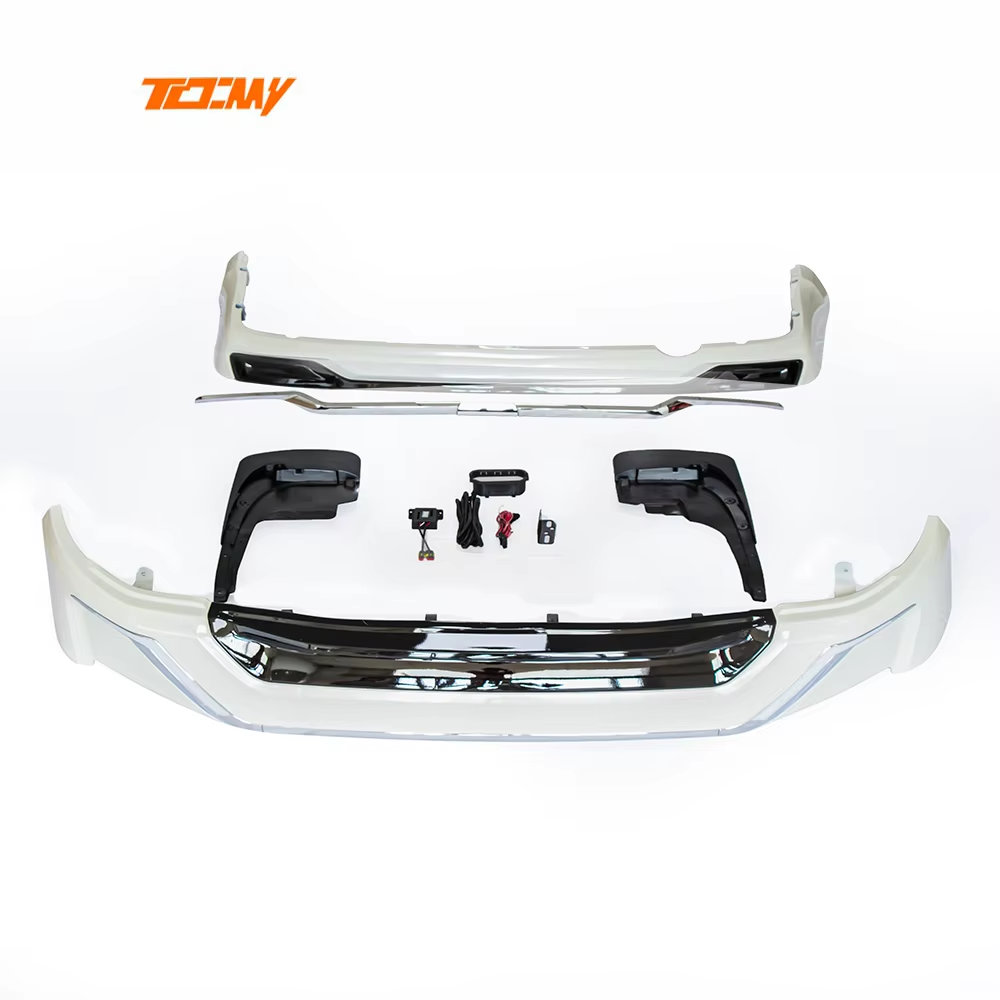
The Toyota Prado has established itself as one of the most sought-after SUVs in the global market, driving significant demand for aftermarket enhancements and modifications. For wholesale distributors looking to capitalize on this lucrative segment, understanding how to source high-quality Prado body kits represents a critical business opportunity. The aftermarket automotive accessories industry continues to experience robust growth, with body kits and styling components representing a substantial portion of this expanding market. Successful wholesale operations require careful consideration of product quality, supplier reliability, and market positioning to ensure sustainable profitability and customer satisfaction.
The wholesale distribution of automotive body kits requires extensive knowledge of manufacturing standards, material specifications, and installation requirements. Professional distributors must navigate complex supply chains while maintaining competitive pricing structures that appeal to both retailers and end consumers. Quality assurance becomes paramount when dealing with exterior modifications that directly impact vehicle aesthetics and potentially safety considerations. Establishing relationships with reputable manufacturers who specialize in Toyota Prado modifications ensures consistent product availability and technical support for downstream customers.
Understanding Market Demand and Consumer Preferences
Regional Market Analysis
Different geographical markets exhibit varying preferences for Prado body kit styles and configurations. Asian markets typically favor aggressive styling with pronounced aerodynamic elements, while Middle Eastern consumers often prefer more conservative enhancements that maintain the vehicle's original character. European buyers frequently seek subtle modifications that enhance the SUV's premium appearance without compromising its utilitarian functionality. Understanding these regional preferences enables wholesale distributors to curate appropriate product selections for their target markets.
Market research indicates that consumers increasingly prioritize quality construction and precise fitment over purely aesthetic considerations. This trend has created opportunities for distributors who focus on premium-grade modifications rather than competing solely on price. Professional installation requirements also influence purchasing decisions, as consumers seek products that can be efficiently installed by local service providers without extensive modifications or specialized tools.
Popular Body Kit Configurations
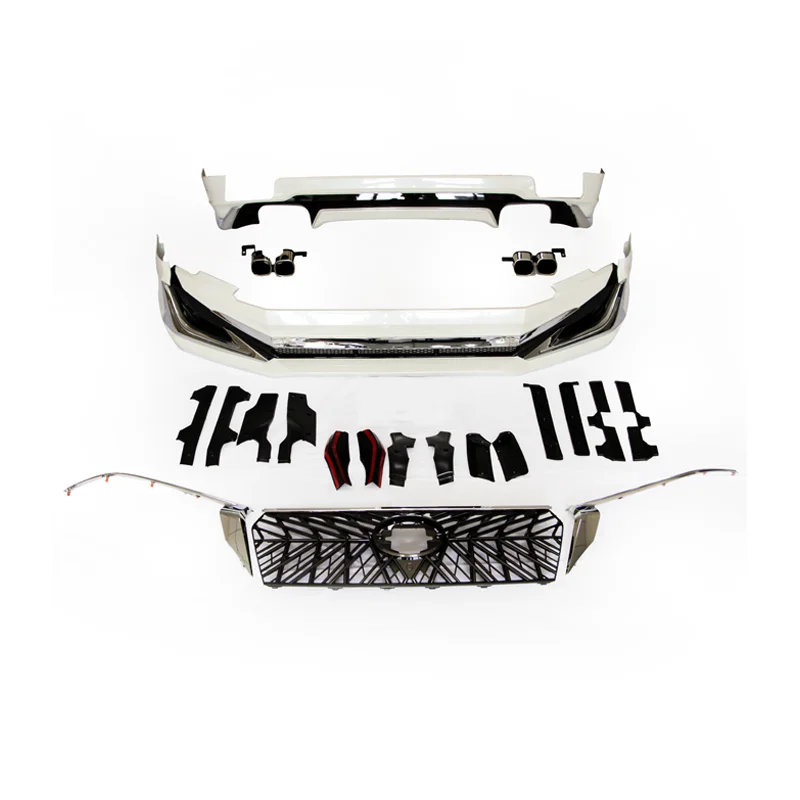
Contemporary Prado body kits typically include front and rear bumper assemblies, side skirts, and complementary lighting systems. Complete kits offer comprehensive styling transformations while individual components allow for customized modifications based on specific customer requirements. LED lighting integration has become increasingly popular, with consumers seeking modern illumination solutions that enhance both aesthetics and functionality.
The M-style configuration represents one of the most requested designs, incorporating aggressive front splitters, sculptured side panels, and distinctive rear diffusers. These comprehensive packages often include auxiliary lighting systems and specialized mounting hardware to ensure professional installation results. Distributors must carefully evaluate the completeness of kit offerings to minimize customer service issues and installation complications.
Supplier Evaluation and Selection Criteria
Manufacturing Quality Standards
Evaluating potential suppliers requires thorough assessment of their manufacturing capabilities, quality control processes, and material specifications. Premium body kit manufacturers utilize advanced injection molding techniques with high-grade ABS plastic or fiberglass composites that provide excellent durability and finish quality. Surface preparation and painting compatibility represent critical factors that directly impact final installation results and long-term performance.
Certification standards and compliance with automotive safety regulations vary significantly between manufacturers and regions. Reputable suppliers maintain comprehensive documentation regarding material certifications, impact testing results, and installation specifications. This documentation becomes essential for wholesale distributors who must provide technical support to their retail partners and end customers throughout the distribution chain.
Production Capacity and Scalability
Successful wholesale operations require suppliers who can consistently meet volume demands while maintaining quality standards. Production capacity assessments should include evaluation of manufacturing equipment, workforce capabilities, and raw material sourcing reliability. Suppliers with diversified production capabilities often provide greater flexibility in accommodating custom orders and seasonal demand fluctuations that characterize the automotive accessories market.
Lead time management becomes increasingly important as market competition intensifies and customer expectations for rapid fulfillment continue to rise. Suppliers who maintain adequate inventory levels while offering reasonable customization options provide competitive advantages for wholesale distributors. Communication systems and order tracking capabilities also contribute significantly to operational efficiency and customer satisfaction levels.
Quality Assurance and Product Testing
Fitment Accuracy Verification
Precise fitment represents the most critical quality factor for automotive body modifications, as installation difficulties can result in significant customer dissatisfaction and costly returns. Professional distributors should implement comprehensive testing protocols that verify dimensional accuracy across different vehicle year models and trim configurations. Test fitting procedures should include evaluation of mounting point alignment, panel gaps, and integration with existing vehicle components.
Variation in manufacturing tolerances between different Prado model years can create fitment challenges that require careful documentation and customer communication. Suppliers who maintain detailed compatibility charts and provide specific installation instructions for each vehicle configuration demonstrate their commitment to customer success and professional installation results.
Material Durability Assessment
Long-term durability testing encompasses evaluation of material resistance to environmental factors including UV exposure, temperature variations, and chemical exposure from road salt and cleaning products. High-quality body kit materials should demonstrate minimal color fading, surface degradation, or structural weakness after extended exposure to typical operating conditions. Impact resistance testing also provides valuable insights into the product's ability to withstand minor collisions and parking incidents.
Paint adhesion characteristics and surface preparation requirements directly impact installation costs and final appearance quality. Materials that accept standard automotive paint systems without specialized primers or surface treatments provide significant advantages for both professional installers and end customers. Flexibility characteristics also influence installation ease and long-term crack resistance in areas subject to thermal expansion and vehicle movement.
Pricing Strategies and Market Positioning
Competitive Analysis Framework
Effective pricing strategies require comprehensive analysis of competitor offerings, including both product quality and service levels provided to retail partners. Price positioning should reflect the true value proposition of superior quality, reliable fitment, and comprehensive technical support rather than competing purely on lowest cost. Premium positioning often provides better profit margins and attracts more sophisticated retail partners who value quality and customer service.
Market segmentation analysis reveals opportunities for different pricing tiers based on product complexity, material quality, and target customer demographics. Entry-level offerings can capture price-sensitive segments while premium products appeal to enthusiasts and professional installers who prioritize quality and performance. Bundling strategies that combine body kits with complementary accessories often provide increased transaction values and improved customer satisfaction.
Volume Discount Structures
Wholesale pricing structures should incentivize larger orders while maintaining profitability across different order sizes and customer types. Tiered pricing systems that reward consistent volume commitments encourage retail partner loyalty and provide predictable revenue streams. Seasonal promotions and new product introductions offer opportunities to stimulate demand and introduce customers to expanded product lines.
Payment terms and financing options can significantly influence customer purchasing decisions, particularly for smaller retail operations with limited working capital. Flexible payment arrangements that balance cash flow requirements with customer needs often provide competitive advantages in securing new business relationships and expanding market share.
Logistics and Distribution Management
Packaging and Shipping Considerations
Automotive body kits require specialized packaging solutions that protect against shipping damage while minimizing transportation costs. Proper packaging design prevents scratches, cracks, and deformation that can occur during handling and transit. Custom packaging solutions that accommodate the unique dimensions of different kit components often provide better protection than generic shipping materials.
International shipping regulations and customs documentation requirements add complexity to global distribution operations. Proper classification and valuation of automotive accessories ensures smooth customs clearance while minimizing duty obligations and processing delays. Working with experienced freight forwarders who understand automotive product requirements can significantly improve shipping reliability and cost management.
Inventory Management Systems
Efficient inventory management becomes critical for wholesale operations dealing with multiple product variations and seasonal demand patterns. Automated inventory systems that track individual kit components and provide real-time availability information enable better customer service and order fulfillment accuracy. Demand forecasting capabilities help optimize inventory levels while minimizing carrying costs and obsolescence risks.
Warehouse organization and fulfillment processes must accommodate the physical characteristics of body kit components, including their size, fragility, and packaging requirements. Proper storage conditions protect against environmental damage while organized retrieval systems minimize order processing time and shipping errors. Quality control inspections during receiving and shipping processes help maintain product quality standards throughout the distribution chain.
Technical Support and Customer Service
Installation Documentation
Comprehensive installation documentation provides essential support for retail partners and professional installers who work with Prado body kits. Detailed instructions should include specific tools requirements, step-by-step procedures, and troubleshooting guidance for common installation challenges. High-quality photographs and technical drawings enhance understanding and reduce installation errors that can damage products or vehicles.
Video installation guides have become increasingly popular as they provide dynamic demonstrations of complex procedures and installation techniques. Professional video content also serves as valuable marketing material that showcases product quality and installation results to potential customers. Regular updates to installation documentation ensure accuracy across different model years and configuration variations.
Warranty and Return Policies
Clear warranty policies that address manufacturing defects, fitment issues, and material quality provide confidence for both retail partners and end customers. Reasonable return policies that accommodate legitimate quality concerns while protecting against abuse help build long-term business relationships. Efficient warranty claim processing systems minimize disruption to customer operations and demonstrate commitment to product quality.
Technical support services that assist with installation questions and troubleshooting issues add significant value for professional installers and retail partners. Knowledgeable support staff who understand both product specifications and installation procedures can resolve issues quickly and maintain customer satisfaction levels. Training programs for retail partners can improve their technical capabilities and sales effectiveness.
FAQ
What factors should I consider when selecting a supplier for Prado body kits
When selecting a supplier for Prado body kits, prioritize manufacturing quality standards, fitment accuracy, material durability, and production capacity. Evaluate their quality control processes, certification compliance, and ability to provide comprehensive technical documentation. Consider their communication capabilities, lead times, and willingness to provide samples for evaluation. Assess their experience with Toyota Prado modifications and their understanding of different market requirements.
How can I verify the quality of body kits before committing to large orders
Request sample products for physical evaluation and test fitting on actual vehicles when possible. Review material specifications, manufacturing processes, and quality control documentation provided by the supplier. Examine surface finish quality, dimensional accuracy, and included hardware components. Contact existing customers or distributors to gather feedback about product performance and supplier reliability. Consider visiting manufacturing facilities to observe production processes firsthand.
What are the typical profit margins for wholesale Prado body kit distribution
Wholesale profit margins for automotive body kits typically range from 25% to 50%, depending on product quality, market positioning, and volume levels. Premium products with superior quality and comprehensive support services often command higher margins than basic offerings. Factors influencing profitability include supplier costs, shipping expenses, inventory carrying costs, and customer service requirements. Successful distributors focus on value-added services rather than competing solely on price.
How should I handle installation support for retail partners and customers
Provide comprehensive installation documentation including detailed instructions, technical drawings, and video guides when available. Establish technical support channels staffed by knowledgeable personnel who can address installation questions and troubleshooting issues. Offer training programs for retail partners to improve their technical capabilities and customer service quality. Maintain relationships with recommended professional installers who can provide services for customers who prefer professional installation.
Table of Contents
- Understanding Market Demand and Consumer Preferences
- Supplier Evaluation and Selection Criteria
- Quality Assurance and Product Testing
- Pricing Strategies and Market Positioning
- Logistics and Distribution Management
- Technical Support and Customer Service
-
FAQ
- What factors should I consider when selecting a supplier for Prado body kits
- How can I verify the quality of body kits before committing to large orders
- What are the typical profit margins for wholesale Prado body kit distribution
- How should I handle installation support for retail partners and customers