 EN
EN


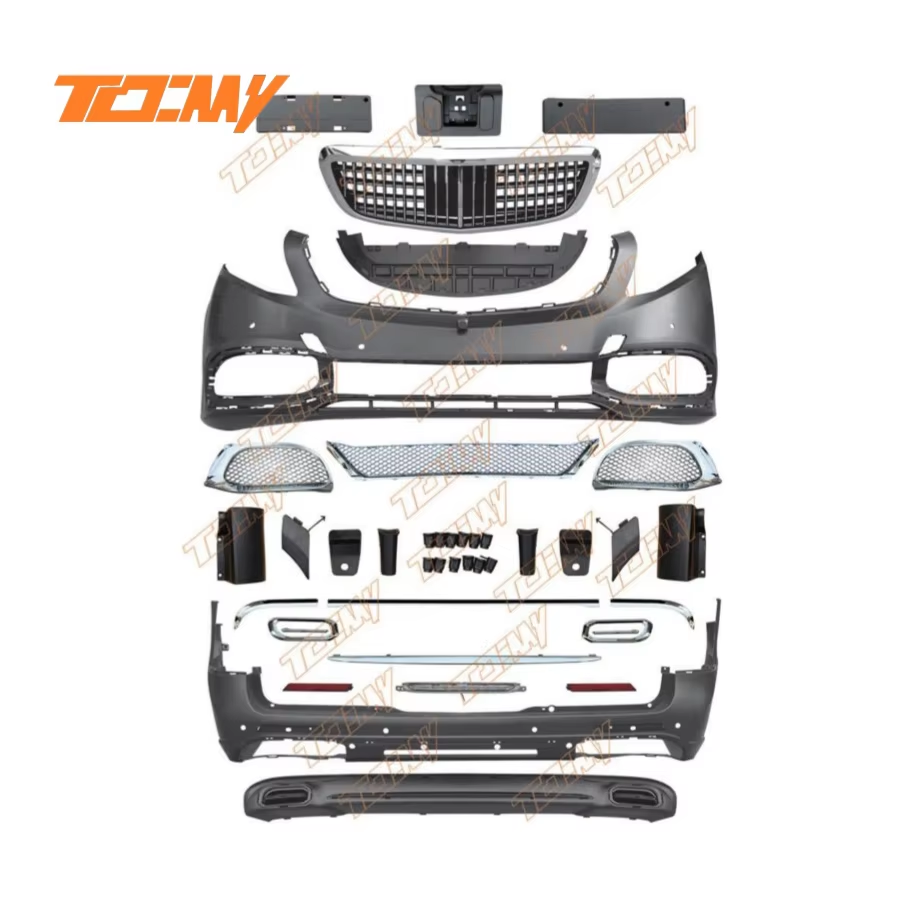
The Mercedes Vito has established itself as a versatile commercial vehicle that attracts both business owners and automotive enthusiasts seeking customization opportunities. This mid-size van combines German engineering excellence with practical functionality, making it an ideal platform for various modifications. Professional customizers and vehicle owners increasingly turn to aftermarket enhancements to transform the standard Vito into a distinctive vehicle that stands out from the crowd. The growing popularity of commercial vehicle customization has positioned the Vito as a prime candidate for comprehensive aesthetic and functional upgrades.
Commercial vehicle modifications have evolved beyond simple utility enhancements to include sophisticated styling packages that rival passenger car customizations. The Mercedes Vito serves as an exceptional foundation for these transformations due to its robust construction and well-proportioned design. Vehicle owners appreciate the ability to maintain the van's practical functionality while dramatically improving its visual appeal through carefully selected modification components.
Design Philosophy Behind Mercedes Vito Modifications
Aerodynamic Considerations in Custom Styling
Modern commercial vehicle modifications prioritize aerodynamic efficiency alongside aesthetic enhancement. The Mercedes Vito's original design incorporates fundamental aerodynamic principles that customizers build upon when developing styling packages. Professional modification specialists understand how additional components affect airflow patterns and vehicle stability at highway speeds. Strategic placement of aerodynamic elements can actually improve fuel efficiency while creating a more aggressive visual profile.
Wind tunnel testing and computational fluid dynamics analysis inform the development of high-quality aftermarket components. These scientific approaches ensure that modifications complement rather than compromise the vehicle's original engineering. Customizers who prioritize both form and function select components that maintain or enhance the Vito's aerodynamic characteristics while delivering the desired aesthetic transformation.
Material Quality and Manufacturing Standards
Premium modification components utilize advanced materials that match or exceed original equipment specifications. High-grade polymers, carbon fiber composites, and precision-molded plastics ensure long-term durability in commercial vehicle applications. Professional-grade modifications undergo rigorous testing to withstand the demanding conditions that commercial vehicles regularly encounter.
Manufacturing precision directly impacts installation quality and long-term performance. Components designed specifically for the Mercedes Vito feature exact fitment specifications that eliminate gaps and ensure seamless integration with existing body panels. This attention to detail distinguishes professional-grade modifications from generic aftermarket products that may require extensive modification for proper installation.
Popular Modification Categories for Commercial Vehicles
Front End Transformation Components
Front grille modifications represent one of the most impactful visual enhancements for the Mercedes Vito. Custom grilles can dramatically alter the vehicle's appearance while maintaining proper airflow for engine cooling. Professional installers ensure that aftermarket grilles maintain the necessary ventilation characteristics required for reliable commercial vehicle operation.
Front bumper modifications extend beyond simple aesthetic enhancement to include functional improvements such as improved approach angles and integrated lighting solutions. Quality Mercedes Vito body kit components incorporate these practical considerations while delivering distinctive styling that sets modified vehicles apart from standard fleet configurations.
Side Profile Enhancement Systems
Side skirt installations create visual continuity between front and rear modifications while improving the vehicle's ground-hugging appearance. These components reduce the visual impact of the Vito's high ground clearance, creating a more refined and purposeful stance. Professional side skirt designs incorporate proper drainage channels and mounting systems that prevent water accumulation and ensure long-term structural integrity.
Advanced side skirt systems may include integrated lighting elements or aerodynamic features that enhance both appearance and functionality. These sophisticated modifications require precise engineering to maintain proper ground clearance while delivering the desired visual impact. Installation complexity varies significantly between basic overlay systems and comprehensive integrated designs.
Technical Installation Considerations
Professional Installation Requirements
Proper modification installation requires specialized knowledge of Mercedes Vito construction techniques and materials. Professional installers understand the vehicle's structural characteristics and mounting point specifications that ensure secure component attachment. Incorrect installation can compromise vehicle safety and lead to premature component failure or damage to original body panels.
Quality installations preserve the vehicle's original warranty coverage where possible and maintain structural integrity for commercial use applications. Professional shops utilize manufacturer-approved adhesives, mechanical fasteners, and installation procedures that meet or exceed original equipment standards. This attention to installation quality ensures that modifications enhance rather than compromise the vehicle's reliability and safety characteristics.
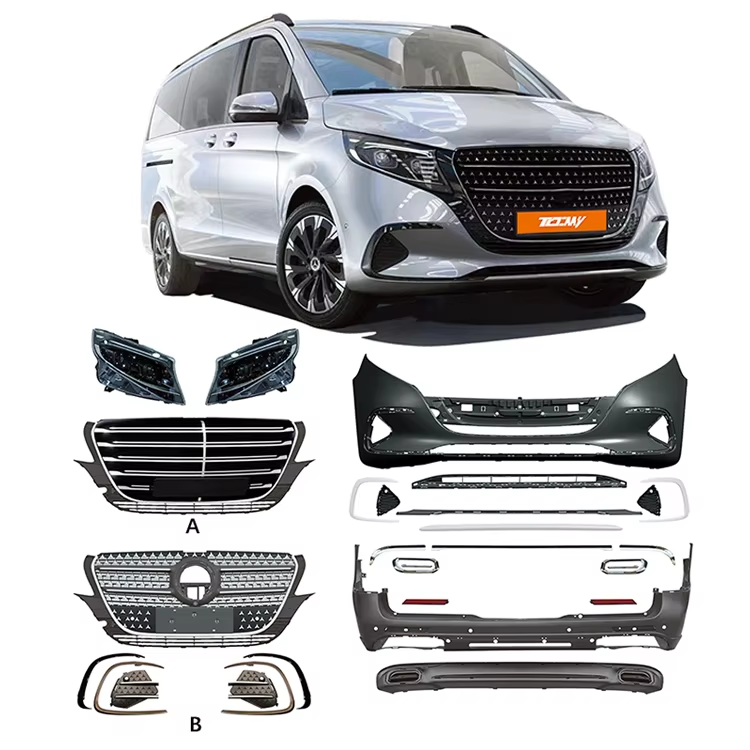
Integration with Existing Vehicle Systems
Modern Mercedes Vito vehicles incorporate numerous electronic systems that may require consideration during modification installation. Advanced driver assistance systems, parking sensors, and lighting circuits must remain fully functional after modification completion. Professional installers understand these integration requirements and modify components as necessary to maintain system functionality.
Electrical integration becomes particularly important when modifications include integrated lighting or electronic components. Proper wiring techniques and circuit protection ensure that aftermarket additions do not interfere with existing vehicle systems or create potential failure points. This technical expertise distinguishes professional installation services from basic cosmetic application procedures.
Market Trends in Commercial Vehicle Customization
Industry Adoption Patterns
Commercial fleet operators increasingly recognize the marketing value of distinctive vehicle appearance in competitive business environments. Custom modifications help businesses differentiate their fleets while projecting a professional image that supports brand recognition. This trend has driven demand for high-quality modification packages that withstand commercial use while delivering lasting visual impact.
Industry adoption patterns show growing acceptance of modifications that enhance both functionality and appearance. Fleet managers appreciate modifications that improve aerodynamics, reduce maintenance requirements, or enhance durability while providing visual distinction. This practical approach to customization drives development of modification packages that deliver measurable operational benefits alongside aesthetic improvements.
Emerging Technology Integration
Advanced modification packages increasingly incorporate smart technology features such as integrated LED lighting systems, sensor integration, and modular component designs. These technological enhancements provide additional functionality while maintaining the aesthetic focus that drives modification adoption. Smart integration capabilities allow modifications to interact with existing vehicle systems for enhanced functionality.
Future modification trends point toward increased integration with vehicle telematics systems and advanced driver assistance features. This technological evolution requires modification manufacturers to develop products that complement rather than interfere with sophisticated vehicle electronics. The result is more intelligent modification packages that enhance multiple aspects of vehicle performance and appearance.
Quality Assessment and Selection Criteria
Material Durability Standards
High-quality commercial vehicle modifications must withstand exposure to harsh operating conditions including temperature extremes, road salt, and mechanical stress. Premium materials resist fading, cracking, and deformation under these demanding conditions while maintaining their original appearance throughout extended service life. Material selection directly impacts long-term modification performance and owner satisfaction.
Durability testing protocols evaluate modification components under accelerated aging conditions that simulate years of commercial vehicle service. These testing procedures identify potential failure modes and validate material specifications before components reach the marketplace. Customers benefit from this rigorous validation process through improved product reliability and reduced maintenance requirements.
Fitment Precision and Quality Control
Precision manufacturing ensures that modification components integrate seamlessly with original vehicle body panels without gaps or alignment issues. Quality control procedures verify dimensional accuracy and surface finish consistency across production runs. These manufacturing standards eliminate installation complications and ensure professional-appearing results regardless of installation location.
Advanced quality control systems utilize three-dimensional scanning and automated inspection processes to verify component specifications. This technological approach ensures consistent quality standards and identifies potential issues before components leave the manufacturing facility. Customers receive products that meet exact specifications and install without requiring modification or adjustment procedures.
FAQ
How long does professional installation typically take for a complete body kit
Professional installation of a comprehensive Mercedes Vito body kit typically requires 6 to 12 hours depending on the complexity of components and integration requirements. Simple overlay systems may install in less time, while complete replacement components with integrated features require additional installation procedures. Professional shops provide accurate time estimates based on specific component requirements and vehicle configuration.
Will modifications affect the vehicle warranty coverage
Properly installed aftermarket modifications should not void existing warranty coverage for unrelated vehicle systems. However, any damage directly caused by modification installation or component failure may not be covered under original warranty terms. Professional installation shops often provide their own warranty coverage for modification work and components to ensure customer protection.
What maintenance requirements do body kit modifications have
High-quality body kit modifications require minimal additional maintenance beyond regular vehicle cleaning and inspection procedures. Periodic inspection of mounting hardware and component condition helps identify potential issues before they develop into problems. Most premium modifications are designed to match or exceed original component durability standards for minimal maintenance requirements.
Can modifications be removed if necessary without damaging the original vehicle
Professional-grade modifications designed for temporary or removable installation can typically be removed without permanent alteration to original vehicle components. However, some modification types may require drilling or permanent attachment methods that create permanent changes to original body panels. Customers should discuss reversibility requirements with installation professionals before proceeding with modification work.