 EN
EN


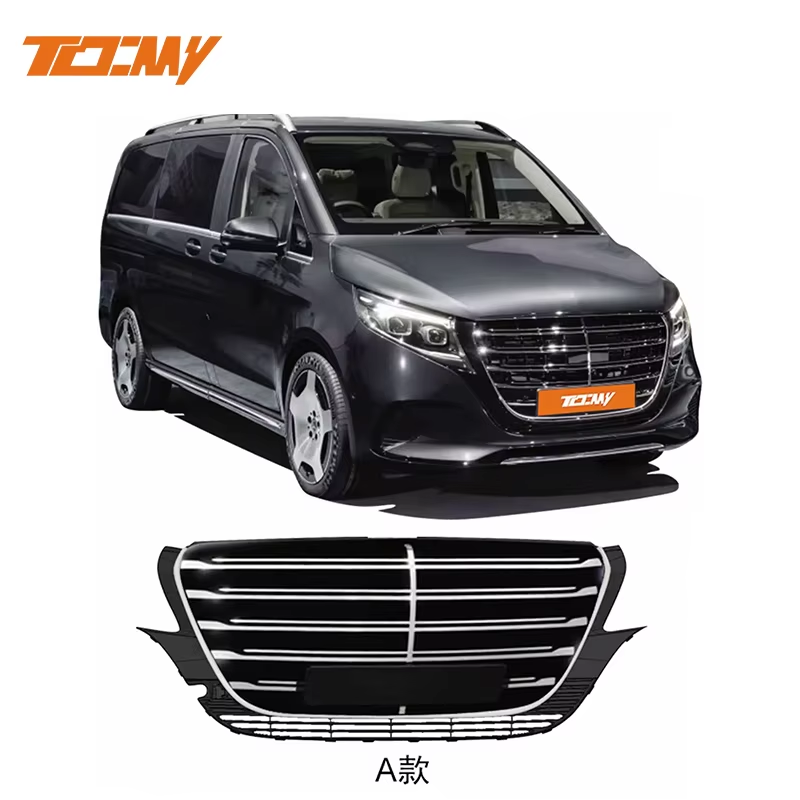
The commercial vehicle aftermarket industry has experienced unprecedented growth in recent years, with Mercedes Vito Body Kits emerging as a dominant force in the B2B sector. This transformation reflects evolving business needs where commercial vehicles serve dual purposes as functional workhorses and brand ambassadors. Companies are increasingly recognizing that their fleet vehicles represent mobile marketing opportunities, driving demand for customization solutions that enhance both aesthetics and functionality.
The shift toward professional vehicle customization has created new market dynamics where traditional boundaries between utility and style continue to blur. Business owners now view their commercial vehicles as extensions of their corporate identity, necessitating aftermarket solutions that deliver professional appearance while maintaining operational efficiency. This evolution has positioned body kit manufacturers at the forefront of an expanding market segment that values both form and function.
Market Dynamics Driving Body Kit Adoption
Commercial Fleet Modernization Trends
Modern businesses face increasing pressure to maintain contemporary fleet appearances that reflect their brand values and market positioning. Commercial vehicle operators recognize that outdated or worn vehicle exteriors can negatively impact customer perceptions and potentially harm business relationships. This awareness has created substantial demand for aftermarket enhancement solutions that can transform aging vehicles into professional-looking assets without requiring complete fleet replacement.
Fleet managers increasingly view body kit installations as cost-effective alternatives to vehicle replacement programs. By investing in exterior enhancements, companies can extend vehicle service life while maintaining professional appearances that align with corporate standards. This approach delivers significant cost savings compared to premature vehicle replacement while ensuring fleet consistency across diverse operational environments.
Brand Differentiation Through Vehicle Customization
The competitive business landscape demands innovative approaches to brand visibility and market differentiation. Commercial vehicles equipped with professional body kits serve as mobile advertising platforms that communicate brand messages throughout daily operations. Companies leverage these customization opportunities to create distinctive fleet appearances that enhance brand recognition and customer recall in crowded marketplaces.
Strategic vehicle customization enables businesses to establish visual consistency across their operations while reinforcing brand identity through every customer interaction. This approach transforms routine business activities into marketing opportunities that generate continuous brand exposure without additional advertising expenditure. The cumulative effect creates sustained competitive advantages that traditional advertising methods struggle to match.
Technical Specifications and Installation Considerations
Component Integration and Compatibility
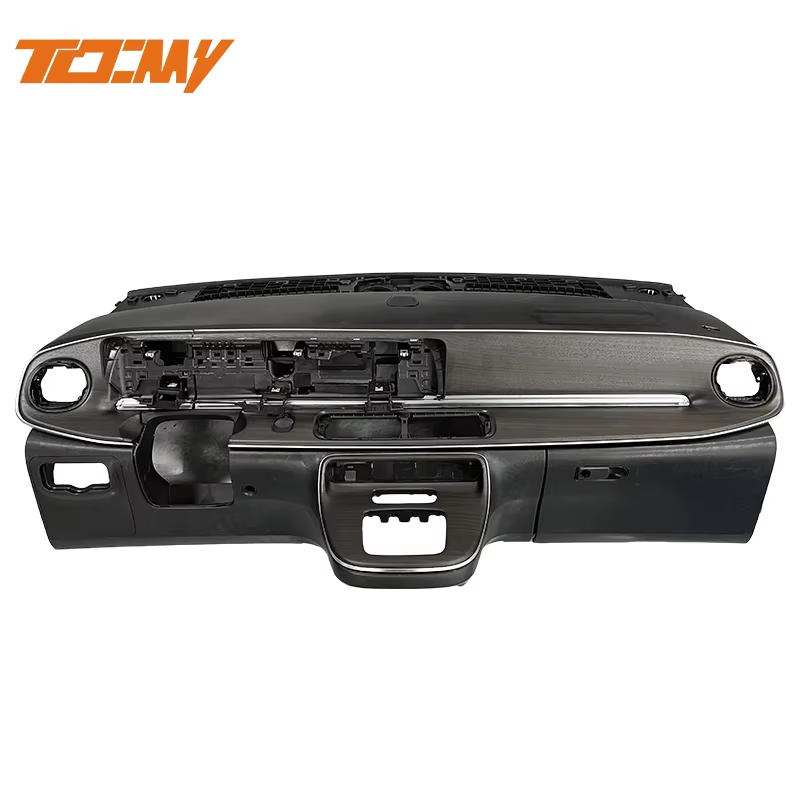
Professional-grade Mercedes Vito Body Kits incorporate multiple components designed for seamless integration with existing vehicle systems. Front grills, bumpers, side skirts, and rear assemblies must maintain precise fitment tolerances while accommodating factory mounting points and electrical connections. Quality manufacturers ensure compatibility across different model years and trim levels to provide flexible installation options for diverse fleet requirements.
Advanced body kit designs consider aerodynamic performance alongside aesthetic enhancement to maintain fuel efficiency and vehicle stability. Engineering teams develop components that complement factory aerodynamics while providing visual improvements that meet professional standards. This technical approach ensures that customization efforts enhance rather than compromise vehicle performance characteristics.
Installation Requirements and Professional Standards
Successful body kit installation requires specialized knowledge of vehicle construction methods and component integration techniques. Professional installers must understand factory mounting systems, electrical connections, and structural considerations to ensure safe and durable installations. Proper installation techniques prevent component failure while maintaining vehicle warranty coverage and operational safety standards.
Quality installations incorporate appropriate fastening methods, sealing compounds, and finishing techniques that withstand commercial vehicle operating conditions. Professional installers utilize manufacturer-specified procedures and materials to ensure long-term durability and appearance retention. This attention to installation quality prevents premature component failure and maintains professional appearance throughout vehicle service life.
Business Applications and Market Segments
Service Industry Fleet Enhancement
Service-based businesses benefit significantly from vehicle customization that reinforces professional credibility and service quality perceptions. Companies operating in competitive service markets utilize body kit enhancements to distinguish their vehicles from competitors while communicating quality standards through visual presentation. This approach creates immediate customer confidence and supports premium pricing strategies across various service sectors.
Professional appearance standards become particularly important for businesses providing high-value services where customer trust and confidence directly impact revenue generation. Enhanced vehicle presentation supports service differentiation strategies that justify premium pricing while creating memorable customer experiences. These benefits accumulate over time to generate substantial competitive advantages in service-oriented markets.
Delivery and Logistics Sector Applications
The expanding e-commerce and delivery sector creates significant opportunities for vehicle customization that enhances brand visibility during final-mile operations. Delivery companies recognize that vehicle appearance influences customer satisfaction and brand perception during critical customer touchpoints. Mercedes Vito Body Kits provide cost-effective solutions for creating distinctive fleet appearances that reinforce brand identity throughout delivery operations.
Logistics companies operating in competitive markets utilize vehicle customization to differentiate their services while maintaining professional standards that support customer retention. Enhanced vehicle appearance communicates operational excellence and attention to detail that customers associate with reliable service delivery. This perception building creates sustainable competitive advantages that traditional marketing approaches cannot replicate effectively.
Economic Impact and ROI Considerations
Cost-Benefit Analysis for Fleet Operators
Fleet customization investments require careful analysis of costs versus benefits to ensure positive return on investment outcomes. Body kit installations typically cost significantly less than vehicle replacement while delivering comparable visual improvements and brand enhancement benefits. This cost structure makes customization attractive for businesses seeking fleet modernization without substantial capital expenditure requirements.
Long-term cost analysis reveals that professional body kit installations can extend vehicle service life by improving resistance to environmental damage and reducing depreciation rates. Enhanced vehicle appearance maintains higher resale values while reducing replacement frequency requirements. These factors combine to generate substantial cost savings that justify initial customization investments across diverse fleet applications.
Revenue Generation Opportunities
Customized commercial vehicles create revenue generation opportunities through enhanced brand visibility and customer attraction capabilities. Professional vehicle appearance supports premium pricing strategies while increasing customer confidence in service quality and business credibility. These benefits translate directly into revenue improvements that often exceed customization costs within reasonable payback periods.
Mobile advertising value generated by customized vehicles provides ongoing marketing benefits without recurring advertising expenses. Fleet vehicles equipped with professional body kits serve as continuous brand ambassadors that generate customer awareness and business recognition throughout daily operations. This sustained marketing impact creates cumulative value that traditional advertising methods cannot match cost-effectively.
Installation and Maintenance Best Practices
Quality Assurance Standards
Professional body kit installation requires adherence to manufacturer specifications and industry best practices to ensure optimal results and long-term durability. Quality installers follow detailed procedures that address component fitment, fastening methods, and finishing techniques appropriate for commercial vehicle applications. These standards prevent installation defects that could compromise appearance or vehicle safety characteristics.
Regular inspection and maintenance protocols help preserve body kit appearance and functionality throughout vehicle service life. Professional maintenance includes cleaning procedures, fastener inspection, and component condition assessment that identifies potential issues before they affect vehicle appearance or operation. This proactive approach maximizes customization investment value while maintaining professional standards consistently.
Long-Term Performance Optimization
Successful body kit applications require ongoing attention to component condition and appearance maintenance to preserve professional presentation standards. Regular cleaning and inspection procedures help identify maintenance requirements before they affect vehicle appearance or component integrity. This preventive approach ensures that customization investments continue delivering intended benefits throughout vehicle service life.
Advanced maintenance programs incorporate protective treatments and component replacement schedules that maintain optimal appearance and functionality over extended service periods. Professional fleet operators develop maintenance protocols that preserve customization investments while minimizing operational disruption and maintenance costs. These systematic approaches maximize return on customization investments across diverse operational environments.
Future Market Trends and Opportunities
Technology Integration Developments
Emerging technologies are creating new opportunities for body kit integration with advanced vehicle systems and smart fleet management platforms. Future developments may incorporate LED lighting systems, sensor integration, and connectivity features that enhance both appearance and functionality. These technological advances will create additional value propositions for commercial vehicle customization beyond traditional aesthetic improvements.
Smart vehicle integration capabilities will enable body kit components to serve multiple functions including safety enhancement, communication systems, and operational monitoring. This technological evolution will position body kit manufacturers at the intersection of vehicle customization and advanced fleet management solutions. Companies that embrace these developments will gain competitive advantages in rapidly evolving commercial vehicle markets.
Sustainable Materials and Manufacturing
Environmental consciousness is driving demand for sustainable manufacturing practices and recyclable materials in aftermarket component production. Body kit manufacturers are developing eco-friendly materials and production methods that reduce environmental impact while maintaining quality and durability standards. This sustainability focus aligns with corporate environmental initiatives and regulatory requirements affecting commercial vehicle operations.
Green manufacturing initiatives create market differentiation opportunities for companies that prioritize environmental responsibility alongside product quality. Sustainable body kit solutions appeal to environmentally conscious businesses while supporting corporate sustainability goals and regulatory compliance requirements. This market segment continues expanding as environmental awareness influences business decision-making processes across diverse industries.
FAQ
What factors should businesses consider when selecting body kits for commercial fleets
Businesses should evaluate component quality, installation requirements, maintenance needs, and compatibility with existing vehicle systems when selecting body kits for commercial applications. Professional consultation helps identify solutions that balance aesthetic goals with operational requirements while ensuring cost-effective implementation across diverse fleet sizes and vehicle types.
How do body kit installations affect vehicle warranty coverage and insurance requirements
Professional installations using manufacturer-approved methods typically maintain vehicle warranty coverage while aftermarket modifications may require insurance notification and coverage adjustments. Fleet operators should consult with warranty providers and insurance carriers before installation to understand coverage implications and ensure compliance with policy requirements.
What maintenance protocols help preserve body kit appearance and functionality over time
Regular cleaning with appropriate materials, periodic fastener inspection, and component condition assessment help maintain body kit appearance and performance throughout vehicle service life. Professional maintenance schedules should include protective treatments and replacement protocols that preserve customization investments while minimizing operational disruption and maintenance costs.
How can businesses measure return on investment for fleet customization projects
ROI measurement should consider direct costs versus benefits including brand visibility improvements, customer satisfaction increases, vehicle service life extension, and resale value enhancement. Professional evaluation methods track multiple value factors over extended periods to provide comprehensive assessment of customization investment performance and business impact.
Table of Contents
- Market Dynamics Driving Body Kit Adoption
- Technical Specifications and Installation Considerations
- Business Applications and Market Segments
- Economic Impact and ROI Considerations
- Installation and Maintenance Best Practices
- Future Market Trends and Opportunities
-
FAQ
- What factors should businesses consider when selecting body kits for commercial fleets
- How do body kit installations affect vehicle warranty coverage and insurance requirements
- What maintenance protocols help preserve body kit appearance and functionality over time
- How can businesses measure return on investment for fleet customization projects