 EN
EN


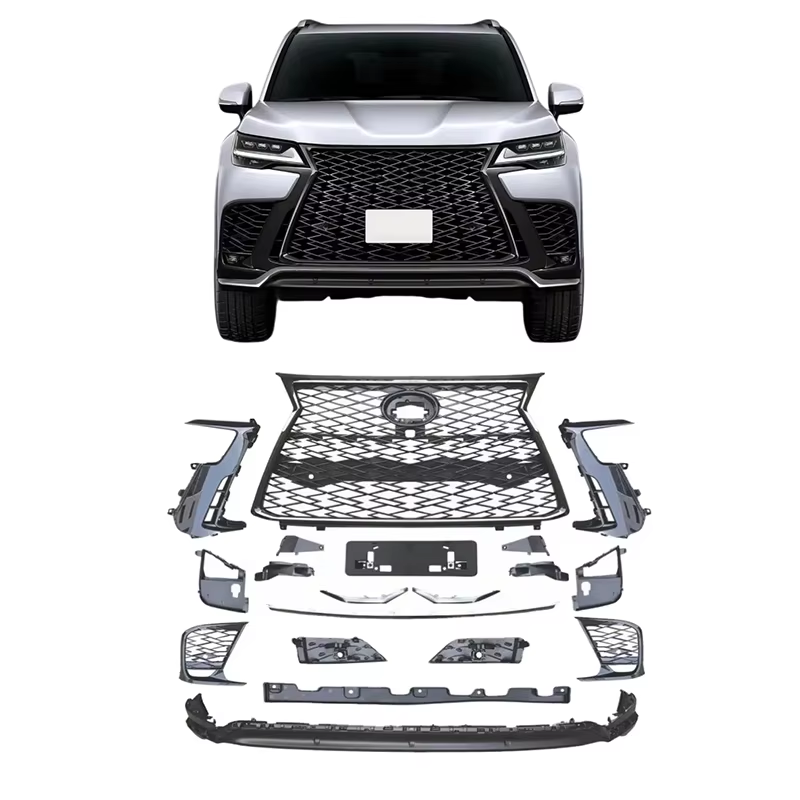
The luxury SUV market has experienced tremendous growth in recent years, with the Lexus LX600 emerging as a standout vehicle that commands attention from discerning consumers worldwide. For auto parts distributors, this presents a significant opportunity to capitalize on the growing demand for high-quality aftermarket components. Understanding the market dynamics and specific requirements for LX600 aftermarket parts is essential for distributors looking to expand their inventory and serve this premium segment effectively. The sophisticated design and advanced engineering of the LX600 create unique challenges and opportunities in the aftermarket space, requiring distributors to maintain exceptional quality standards while meeting diverse customer needs.
The aftermarket industry for luxury vehicles like the LX600 operates under different principles compared to standard automotive segments. Premium vehicle owners typically have higher expectations for quality, fit, and finish, making it crucial for distributors to carefully curate their product offerings. The LX600's sophisticated design language and premium materials require aftermarket parts that match or exceed original equipment manufacturer specifications. This creates both challenges and opportunities for distributors who understand the nuances of serving this market segment. Building relationships with reputable manufacturers and maintaining strict quality control processes becomes paramount when dealing with luxury vehicle components.
Market research indicates that LX600 owners are willing to invest in premium aftermarket modifications and replacement parts, provided they meet stringent quality criteria. This demographic typically seeks products that enhance both aesthetics and functionality while maintaining the vehicle's inherent luxury appeal. Understanding these consumer preferences allows distributors to make informed decisions about inventory management and supplier partnerships. The key to success in this segment lies in balancing premium quality with competitive pricing structures that appeal to both individual consumers and professional installers.
Understanding the LX600 Market Dynamics
Target Customer Demographics
The typical LX600 owner represents a distinct demographic with specific purchasing behaviors and preferences that directly impact aftermarket parts demand. These consumers generally possess higher disposable income and prioritize quality over price when making purchasing decisions. Understanding this demographic helps distributors identify the most profitable product categories and develop targeted marketing strategies. Research shows that LX600 owners frequently engage in vehicle customization projects, creating consistent demand for performance upgrades, aesthetic enhancements, and maintenance components throughout the vehicle's lifecycle.
Professional installers and specialty shops also represent a significant portion of the customer base for LX600 aftermarket parts. These business customers require reliable supplier relationships, competitive pricing structures, and comprehensive technical support to serve their end customers effectively. Building strong partnerships with professional installers can create steady revenue streams while establishing credibility within the luxury automotive service community. The professional market often requires larger quantity orders and more flexible payment terms, factors that distributors must consider when developing their business strategies.
Regional Market Variations
Different geographical regions exhibit varying demand patterns for LX600 aftermarket parts, influenced by factors such as climate conditions, driving habits, and local preferences. Understanding these regional variations enables distributors to optimize their inventory allocation and marketing efforts. For example, markets in areas with harsh winter conditions may show higher demand for protective components and seasonal accessories, while regions with strong off-road communities might prioritize performance and durability enhancements. Climate considerations also affect the types of materials and finishes that perform best in specific environments.
International markets present additional complexities related to regulatory compliance, shipping logistics, and currency fluctuations. Distributors serving global markets must navigate varying safety standards, emission regulations, and import requirements that can significantly impact product selection and pricing strategies. Building relationships with local partners and understanding regional regulatory frameworks becomes essential for successful international expansion. Cultural preferences and aesthetic tastes can also vary significantly between markets, requiring distributors to adapt their product offerings accordingly.
Essential Product Categories and Specifications
Exterior Enhancement Components
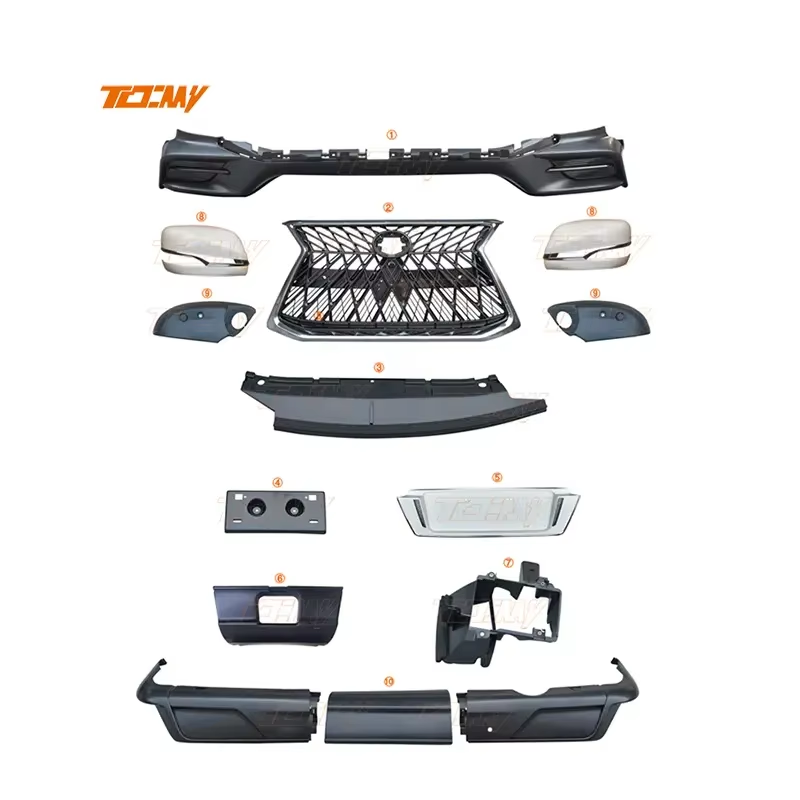
Exterior modifications represent one of the most popular categories for LX600 aftermarket parts, driven by owners' desires to personalize their vehicles' appearance and enhance road presence. Body kits, grilles, bumper assemblies, and lighting upgrades constitute the core of this segment, with each component requiring precise fitment and premium materials to meet customer expectations. The complexity of modern vehicle design means that aftermarket exterior parts must integrate seamlessly with advanced driver assistance systems, sensors, and electronic components without compromising functionality or safety features.
Quality considerations for exterior components extend beyond visual appeal to include durability, weather resistance, and compatibility with factory systems. Materials such as high-grade ABS plastic, carbon fiber, and aluminum alloys are commonly specified for premium applications, each offering distinct advantages in terms of weight, strength, and finish quality. Understanding the technical specifications and installation requirements for these components helps distributors educate their customers and reduce return rates while building reputation for quality and reliability in the marketplace.
Performance and Functional Upgrades
Performance enhancement parts for the LX600 focus on improving various aspects of vehicle capability, from engine performance and handling characteristics to off-road functionality and towing capacity. Suspension systems, intake and exhaust modifications, and electronic tuning components represent significant opportunities for distributors serving performance-oriented customers. These products typically command higher profit margins while requiring more technical expertise to market and support effectively. Understanding the performance goals and technical capabilities of different upgrade options enables distributors to provide valuable consulting services to their customers.
Functional upgrades often address specific use cases such as towing, off-road driving, or cargo management, areas where the LX600's versatility creates diverse market opportunities. Products like heavy-duty hitches, rock sliders, roof racks, and interior organizers serve practical purposes while maintaining the vehicle's luxury character. The key to success in this category lies in identifying products that enhance functionality without compromising the refined driving experience that LX600 owners expect. Quality construction and professional-grade finishes remain essential criteria for products in this segment.
Quality Standards and Certification Requirements
Manufacturing Quality Benchmarks
Maintaining consistent quality standards represents a critical success factor for distributors in the LX600 aftermarket parts segment, where customer expectations align with luxury vehicle ownership experiences. Establishing relationships with manufacturers who maintain ISO certifications, automotive quality standards, and rigorous testing protocols ensures product reliability and customer satisfaction. Quality control processes should encompass material selection, manufacturing precision, finish quality, and packaging standards that reflect the premium nature of the target market. Distributors must implement comprehensive inspection procedures and maintain detailed quality documentation to support warranty claims and customer service requirements.
The complexity of modern luxury vehicles requires aftermarket parts to meet increasingly sophisticated technical requirements, including compatibility with electronic systems, safety features, and environmental regulations. Manufacturers must demonstrate compliance with relevant automotive standards and provide comprehensive technical documentation to support proper installation and integration. Distributors should prioritize suppliers who invest in research and development, maintain modern manufacturing facilities, and demonstrate commitment to continuous improvement in their production processes.
Testing and Validation Processes
Comprehensive testing protocols ensure that LX600 aftermarket parts perform reliably under various operating conditions and maintain compatibility with vehicle systems throughout their service life. Testing procedures should encompass environmental durability, mechanical stress, fitment accuracy, and electronic compatibility to validate product performance claims. Many premium manufacturers conduct extensive testing programs that include accelerated aging, thermal cycling, vibration testing, and real-world validation to ensure their products meet or exceed original equipment specifications.
Distributors should seek suppliers who provide detailed testing documentation and maintain traceability systems that support quality investigations and continuous improvement efforts. Understanding the testing methodologies and validation criteria used by different manufacturers enables distributors to make informed decisions about product quality and reliability. This technical knowledge also supports customer education and helps build confidence in aftermarket solutions among both professional installers and end consumers who may be skeptical about non-OEM components.
Supplier Network Development and Management
Identifying Reliable Manufacturing Partners
Developing a network of reliable manufacturing partners represents a foundational element of successful distribution in the LX600 aftermarket parts market, where quality and reliability directly impact business reputation and customer satisfaction. Effective supplier evaluation processes should assess manufacturing capabilities, quality management systems, financial stability, and commitment to the luxury automotive segment. Site visits, capability audits, and reference checks provide valuable insights into potential partners' operations and help identify suppliers who align with distributor quality standards and business objectives.
Long-term partnership development requires ongoing relationship management, performance monitoring, and collaborative improvement initiatives that benefit both parties. Successful distributors invest time in understanding their suppliers' capabilities, challenges, and growth plans to build mutually beneficial relationships. Regular communication, joint planning sessions, and shared quality metrics help maintain alignment and identify opportunities for product development and market expansion. Building trust and transparency in supplier relationships creates competitive advantages through improved product quality, faster time-to-market, and better pricing negotiations.
Supply Chain Risk Management
Managing supply chain risks becomes increasingly important as distributors expand their LX600 aftermarket parts operations and serve growing customer bases with evolving expectations. Diversifying supplier bases, maintaining appropriate inventory levels, and developing contingency plans help mitigate disruptions from various sources including manufacturing issues, transportation delays, and regulatory changes. Risk assessment processes should evaluate suppliers' operational stability, geographic concentration, and vulnerability to external factors that could impact product availability or quality.
Effective risk management strategies include developing alternative sourcing options, maintaining strategic inventory reserves, and establishing clear communication protocols for managing supply disruptions. Understanding the interdependencies within the supply chain helps distributors anticipate potential challenges and develop proactive responses. Investment in supply chain visibility tools and performance monitoring systems enables early detection of emerging issues and supports rapid response to minimize customer impact.
Marketing and Sales Strategies for Success
Digital Marketing and E-commerce Approaches
Digital marketing strategies for LX600 aftermarket parts must reflect the premium nature of the target market while providing comprehensive product information and technical support resources. Professional website design, high-quality product photography, and detailed technical specifications create credibility and support informed purchasing decisions. Search engine optimization strategies should target specific product categories and technical terms that potential customers use when researching aftermarket solutions for their vehicles.
Social media marketing and content creation opportunities exist through partnerships with automotive influencers, luxury lifestyle publications, and professional installation shops that showcase quality aftermarket modifications. Video content demonstrating installation procedures, product features, and performance benefits can effectively communicate value propositions to both professional and consumer audiences. E-commerce platforms must provide seamless ordering experiences, comprehensive product filtering options, and robust customer support systems that match the service expectations of luxury vehicle owners.
Building Professional Installer Relationships
Professional installer relationships form the backbone of successful distribution operations in the luxury aftermarket segment, where technical expertise and quality installation services directly impact customer satisfaction. Training programs, technical support resources, and competitive pricing structures help build loyalty among professional customers while ensuring proper installation of complex aftermarket components. Regular communication through newsletters, product updates, and industry events maintains engagement and provides opportunities to gather market feedback.
Supporting professional installers with marketing materials, co-op advertising opportunities, and referral programs creates mutually beneficial relationships that drive sales growth. Understanding the unique needs of different installer types, from high-end custom shops to general service facilities, enables distributors to develop targeted support programs and pricing strategies. Building a network of certified installers also provides valuable customer service resources and helps ensure quality installation experiences that protect brand reputation.
FAQ
What are the most important quality considerations when selecting LX600 aftermarket parts suppliers
Quality considerations should focus on manufacturing standards, materials selection, fitment precision, and compatibility with vehicle systems. Look for suppliers with ISO certifications, automotive industry experience, and comprehensive testing documentation. Evaluate their quality control processes, warranty policies, and customer support capabilities. Consider visiting manufacturing facilities when possible to assess capabilities firsthand and ensure alignment with your quality standards.
How can distributors effectively manage inventory for luxury vehicle aftermarket parts
Inventory management for luxury aftermarket parts requires balancing customer service levels with inventory investment costs. Focus on fast-moving products and core categories while developing efficient special-order processes for less common items. Use sales data and market trends to optimize stock levels and identify emerging opportunities. Maintain strong supplier relationships to ensure rapid replenishment and access to new products as they become available.
What regulatory requirements apply to aftermarket parts distribution for luxury vehicles
Regulatory requirements vary by region but typically include safety standards, emissions compliance, and product liability considerations. Ensure suppliers provide appropriate certifications and compliance documentation for their products. Understand import requirements, labeling standards, and warranty regulations in your target markets. Maintain comprehensive product documentation and traceability systems to support regulatory compliance and customer service requirements.
How should distributors price LX600 aftermarket parts to remain competitive while maintaining profitability
Pricing strategies should reflect the premium market positioning while considering competitive dynamics and customer value perceptions. Research competitor pricing and understand the value propositions that justify premium pricing in luxury segments. Consider tiered pricing structures for different customer types and volume levels. Focus on total value delivery including product quality, technical support, and service excellence rather than competing solely on price.
Table of Contents
- Understanding the LX600 Market Dynamics
- Essential Product Categories and Specifications
- Quality Standards and Certification Requirements
- Supplier Network Development and Management
- Marketing and Sales Strategies for Success
-
FAQ
- What are the most important quality considerations when selecting LX600 aftermarket parts suppliers
- How can distributors effectively manage inventory for luxury vehicle aftermarket parts
- What regulatory requirements apply to aftermarket parts distribution for luxury vehicles
- How should distributors price LX600 aftermarket parts to remain competitive while maintaining profitability