 EN
EN


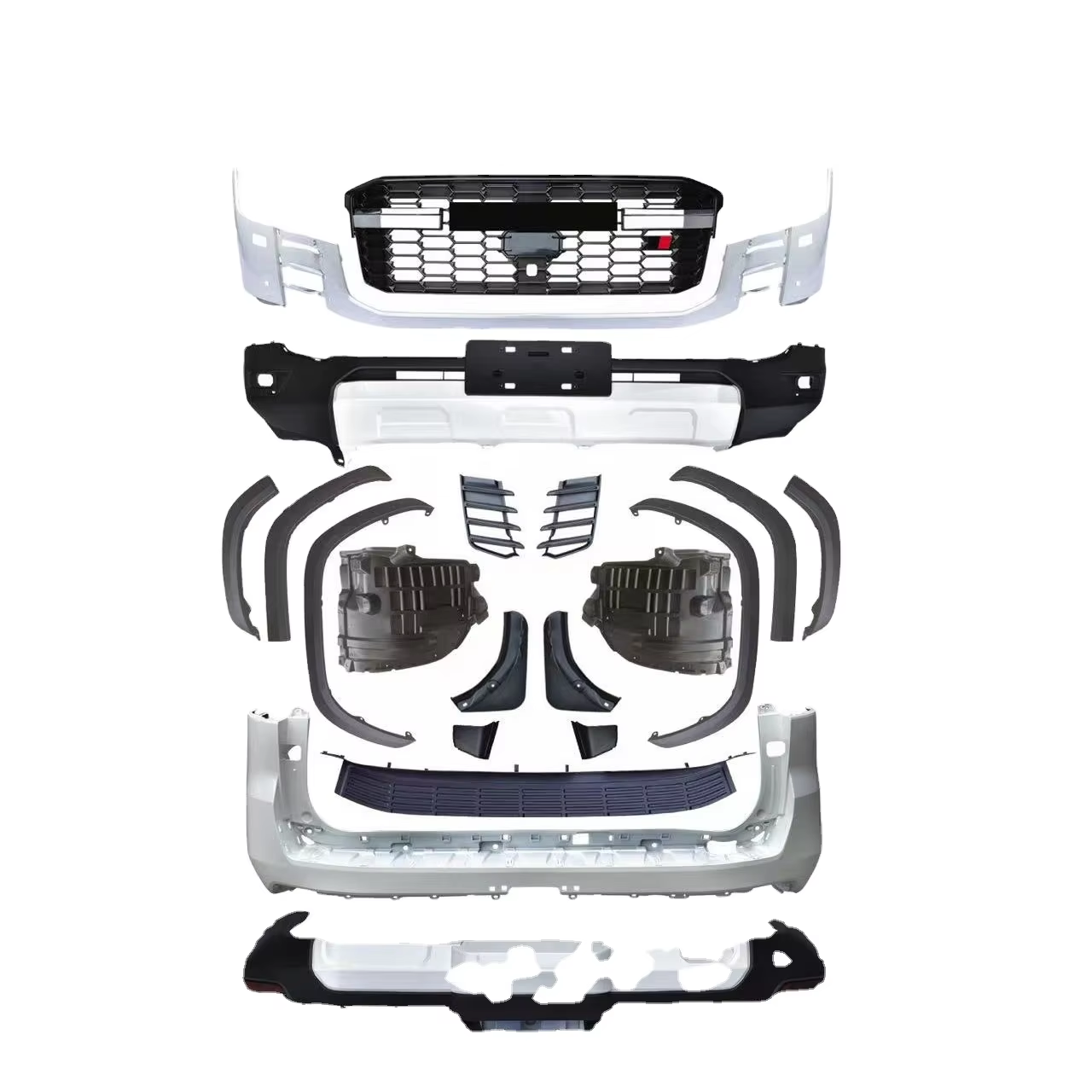
The global automotive aftermarket continues to expand rapidly, with custom vehicle modifications becoming increasingly popular among enthusiasts and professional builders alike. For wholesale distributors looking to capitalize on this growing demand, sourcing high-quality Suzuki Jimny custom parts presents a lucrative opportunity. The compact SUV's distinctive design and robust off-road capabilities have created a dedicated community of owners eager to personalize their vehicles with performance upgrades, aesthetic enhancements, and functional modifications.
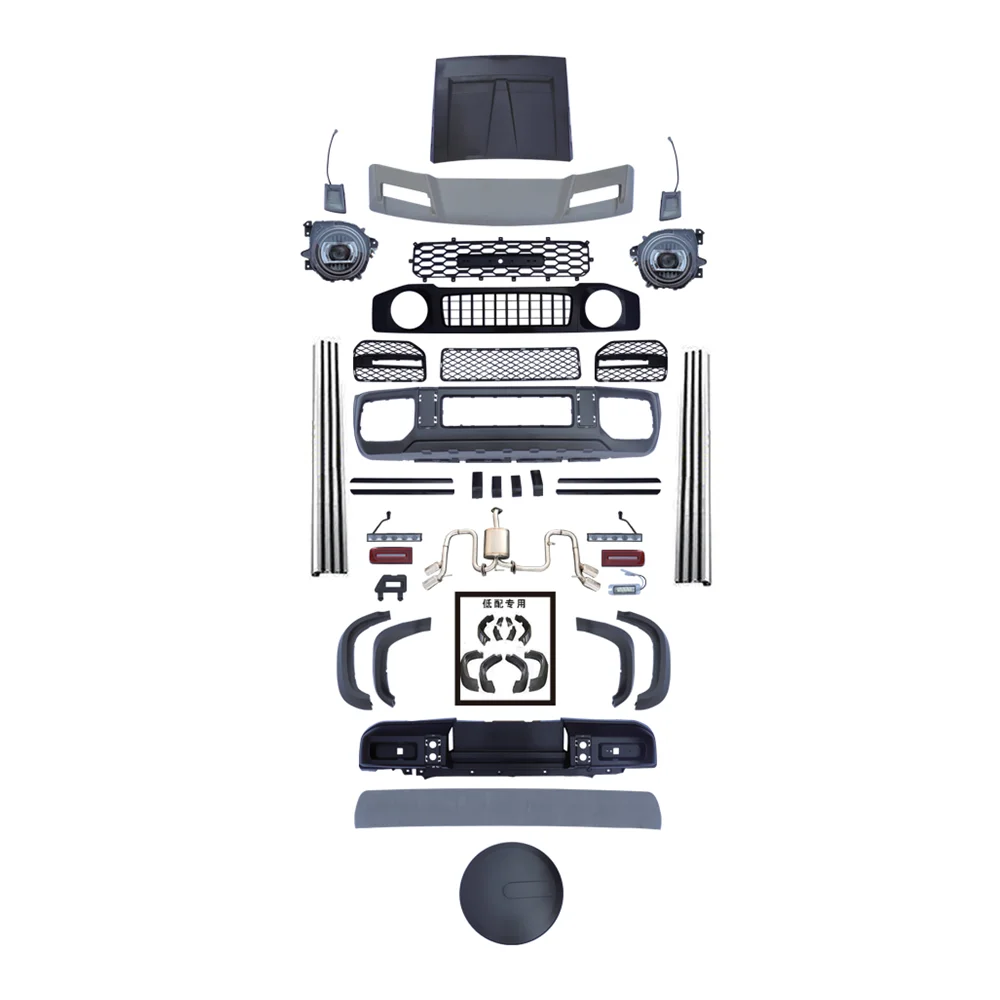
Understanding the unique characteristics of the Jimny market is essential for successful wholesale distribution. This vehicle attracts diverse customer segments, from urban drivers seeking style upgrades to serious off-road enthusiasts requiring functional modifications. The aftermarket demand spans multiple categories including body kits, suspension systems, lighting upgrades, interior accessories, and performance components. Establishing reliable sourcing channels for these products requires careful evaluation of manufacturers, quality standards, and market positioning strategies.
Market Analysis and Demand Assessment
Target Customer Segments
Wholesale distributors must identify their primary customer base to develop effective sourcing strategies for Suzuki Jimny custom parts. The market typically includes specialized automotive retailers, independent mechanics, online resellers, and custom fabrication shops. Each segment has distinct requirements regarding product quality, pricing structures, and delivery timelines. Urban retailers often prioritize aesthetic modifications like body kits and interior upgrades, while rural dealers focus more heavily on functional off-road accessories and performance enhancements.
Geographic considerations play a crucial role in demand patterns. Markets with strong off-road cultures and outdoor recreation industries typically show higher demand for functional modifications such as lift kits, skid plates, and auxiliary lighting systems. Conversely, metropolitan areas often favor cosmetic enhancements including custom grilles, side steps, and interior trim packages. Understanding these regional preferences helps distributors tailor their inventory strategies and supplier selection processes.
Seasonal Demand Fluctuations
The custom parts market experiences predictable seasonal variations that impact wholesale purchasing decisions. Spring and summer months typically see increased demand for off-road accessories as outdoor activities peak. This period drives sales of items like roof racks, winches, and adventure lighting systems. Fall preparation often focuses on maintenance-related modifications such as skid plates and differential covers, while winter demand shifts toward aesthetic improvements as owners spend more time on indoor projects.
Planning inventory cycles around these patterns requires advance coordination with suppliers to ensure adequate stock levels during peak periods. Successful distributors often place larger orders during off-peak seasons to secure better pricing while avoiding stockouts during high-demand periods. This approach also allows for better cash flow management and stronger supplier relationships through consistent ordering patterns.
Supplier Identification and Evaluation
Manufacturing Quality Standards
Establishing relationships with reputable manufacturers is fundamental to successful wholesale distribution of Suzuki Jimny custom parts. Quality assessment should begin with evaluating manufacturing facilities, production processes, and quality control systems. Leading suppliers typically maintain ISO certifications and implement comprehensive testing protocols for their products. Physical inspection of sample products provides valuable insights into material quality, fitment precision, and overall construction standards.
Documentation requirements vary significantly between suppliers, but reputable manufacturers should provide detailed product specifications, installation instructions, and warranty information. Testing protocols should include durability assessments, environmental resistance evaluations, and compatibility verification with various Jimny model years. Suppliers who invest in proper tooling and precision manufacturing equipment generally produce parts with superior fitment and longevity compared to budget alternatives.
Supplier Communication and Support
Effective communication channels are essential for maintaining successful supplier relationships in the custom parts industry. Reliable suppliers should provide responsive customer service, technical support, and clear communication regarding order status and delivery schedules. Language barriers can sometimes complicate international sourcing relationships, making it important to establish clear communication protocols and documentation standards from the beginning.
Technical support capabilities become particularly important when dealing with complex installation procedures or compatibility questions. Suppliers who provide comprehensive installation guides, video tutorials, and responsive technical assistance help reduce customer complaints and warranty claims. This support infrastructure ultimately contributes to stronger relationships with retail customers and improved profit margins through reduced returns and exchanges.
Product Categories and Specifications
Exterior Modification Components
Body modification parts represent one of the largest segments in the Suzuki Jimny custom parts market. Wide body kits, fender flares, and bumper upgrades allow owners to dramatically alter their vehicle's appearance while potentially improving functionality. Front lips and rear spoilers enhance aerodynamic characteristics while providing distinctive styling elements. These components typically require precise fitment specifications to ensure proper installation and appearance.
Grille modifications and lighting upgrades offer additional customization opportunities with varying complexity levels. Simple grille inserts provide cost-effective aesthetic improvements, while complete grille replacements with integrated lighting systems require more sophisticated manufacturing and installation processes. Headlight assemblies and auxiliary lighting systems must meet regulatory requirements while providing improved visibility and distinctive appearance characteristics.
Performance and Functional Upgrades
Suspension modifications form a critical category within the performance upgrade segment, with options ranging from simple lift springs to complete coilover systems. These components directly impact vehicle performance, requiring careful attention to quality standards and compatibility specifications. Differential upgrades, transfer case modifications, and drivetrain enhancements appeal to serious off-road enthusiasts seeking maximum capability from their vehicles.
Cooling system upgrades, intake modifications, and exhaust systems provide performance improvements while potentially affecting emissions compliance. Distributors must understand local regulations and compatibility requirements when sourcing these components. Engine management modifications and electronic upgrades require specialized technical knowledge and support capabilities, making supplier expertise particularly important in these categories.
Sourcing Strategies and Best Practices
Direct Manufacturer Relationships
Establishing direct relationships with manufacturers offers numerous advantages including better pricing, improved communication, and greater control over quality standards. This approach requires larger minimum order quantities and longer lead times but provides better profit margins and product consistency. Direct sourcing also enables custom product development opportunities and exclusive distribution arrangements in specific markets.
Building these relationships requires time and effort but pays dividends through improved product availability and competitive advantages. Regular facility visits, trade show participation, and consistent communication help strengthen these partnerships. Manufacturers often provide additional benefits such as marketing support, technical training, and preferential treatment during supply shortages to their direct distribution partners.
Import Considerations and Logistics
International sourcing of Suzuki Jimny custom parts involves complex logistics and regulatory considerations that impact overall profitability. Import duties, shipping costs, and documentation requirements vary significantly between countries and product categories. Understanding these factors helps distributors accurately calculate landed costs and establish competitive pricing structures.
Customs classification and compliance requirements can significantly impact import processes and costs. Working with experienced freight forwarders and customs brokers helps navigate these complexities while ensuring regulatory compliance. Proper packaging and shipping methods also affect product quality and customer satisfaction, making logistics partnerships crucial for success.
Quality Control and Testing Procedures
Incoming Inspection Protocols
Implementing comprehensive quality control procedures protects wholesale distributors from product defects and customer complaints. Incoming inspection protocols should include visual assessments, dimensional verification, and functional testing where applicable. Statistical sampling methods help balance thorough quality control with operational efficiency, particularly for high-volume products.
Documentation of quality control procedures provides valuable protection in case of product liability issues while helping identify supplier performance trends. Digital photography and measurement records create permanent documentation of product conditions and specifications. These records prove invaluable when addressing customer complaints or warranty claims with suppliers.
Customer Feedback Integration
Customer feedback provides crucial insights into product performance and quality issues that may not appear during initial inspection processes. Establishing systematic feedback collection and analysis procedures helps identify recurring problems and supplier performance trends. This information enables proactive communication with manufacturers regarding quality improvements and design modifications.
Regular communication with retail customers helps distributors stay informed about market trends, customer preferences, and competitive developments. This feedback loop enables better product selection decisions and inventory management strategies. Customer advisory panels and user groups provide additional insights into emerging trends and product development opportunities within the Suzuki Jimny aftermarket segment.
Pricing Strategies and Profit Optimization
Cost Structure Analysis
Successful wholesale distribution requires thorough understanding of all cost components affecting profitability. Product costs represent only one element of the total expense structure, with logistics, storage, handling, and administrative costs significantly impacting margins. Currency fluctuations can dramatically affect international sourcing profitability, making hedging strategies important for larger operations.
Volume purchasing agreements often provide substantial cost advantages but require careful demand forecasting and inventory management capabilities. Balancing purchase quantities with storage costs and market demand requires sophisticated planning and risk management approaches. Seasonal demand variations and product lifecycle considerations further complicate these decisions but offer opportunities for strategic advantage.
Competitive Positioning
Market positioning strategies must balance competitive pricing with adequate profit margins to ensure long-term sustainability. Premium positioning requires superior product quality, comprehensive support services, and strong brand relationships. Value positioning focuses on competitive pricing while maintaining acceptable quality standards and customer service levels.
Understanding competitor strategies and market dynamics helps inform pricing decisions and product selection criteria. Regular market research and competitive analysis provide insights into pricing trends, new product introductions, and changing customer preferences. This information enables proactive strategic adjustments and competitive positioning improvements.
FAQ
What are the minimum order quantities typically required for wholesale Suzuki Jimny custom parts?
Minimum order quantities vary significantly depending on the manufacturer and product category, but most suppliers require orders between 10-50 pieces for individual items. Body kits and complex components often have higher minimums due to tooling costs, while smaller accessories may have lower requirements. Direct manufacturer relationships typically require larger initial orders but offer better long-term pricing and support.
How long are typical lead times for custom part orders from overseas suppliers?
Standard lead times range from 15-45 days depending on product complexity and supplier location. Simple accessories and commonly stocked items ship faster, while custom body kits or specialized components may require 6-8 weeks. Seasonal demand fluctuations and shipping disruptions can extend these timelines, making advance planning essential for maintaining adequate inventory levels.
What quality certifications should I look for when selecting suppliers?
Look for suppliers with ISO 9001 quality management certification and industry-specific standards such as TS 16949 for automotive components. Additional certifications like CE marking for European markets or DOT compliance for lighting products may be required depending on your target markets. Request documentation of testing procedures and quality control processes to verify compliance with your standards.
How can I protect my business from product liability issues with custom parts?
Maintain comprehensive product liability insurance and require suppliers to provide certificates of insurance and indemnification agreements. Document all quality control procedures and maintain detailed records of product specifications and testing results. Work with suppliers who provide clear installation instructions and safety warnings, and consider requiring professional installation for complex performance modifications.
Table of Contents
- Market Analysis and Demand Assessment
- Supplier Identification and Evaluation
- Product Categories and Specifications
- Sourcing Strategies and Best Practices
- Quality Control and Testing Procedures
- Pricing Strategies and Profit Optimization
-
FAQ
- What are the minimum order quantities typically required for wholesale Suzuki Jimny custom parts?
- How long are typical lead times for custom part orders from overseas suppliers?
- What quality certifications should I look for when selecting suppliers?
- How can I protect my business from product liability issues with custom parts?