 EN
EN


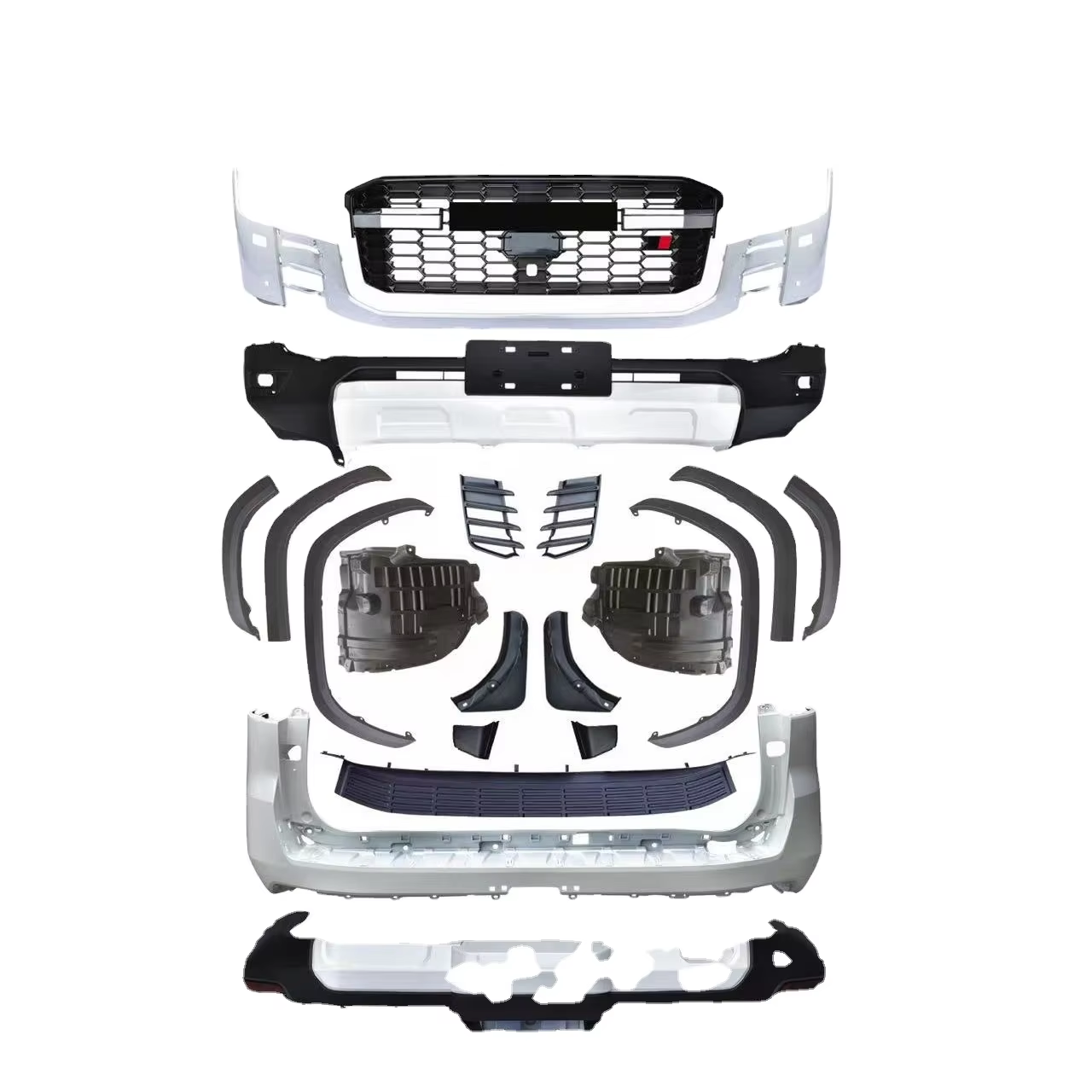
The automotive aftermarket industry has witnessed tremendous growth in recent years, with car body kits becoming increasingly popular among vehicle enthusiasts and commercial buyers alike. These comprehensive modification packages offer an effective way to enhance vehicle aesthetics, improve aerodynamics, and create distinctive appearances that stand out on the road. For businesses looking to purchase car body kits in bulk quantities, understanding the selection process becomes crucial for ensuring customer satisfaction and maximizing profitability.
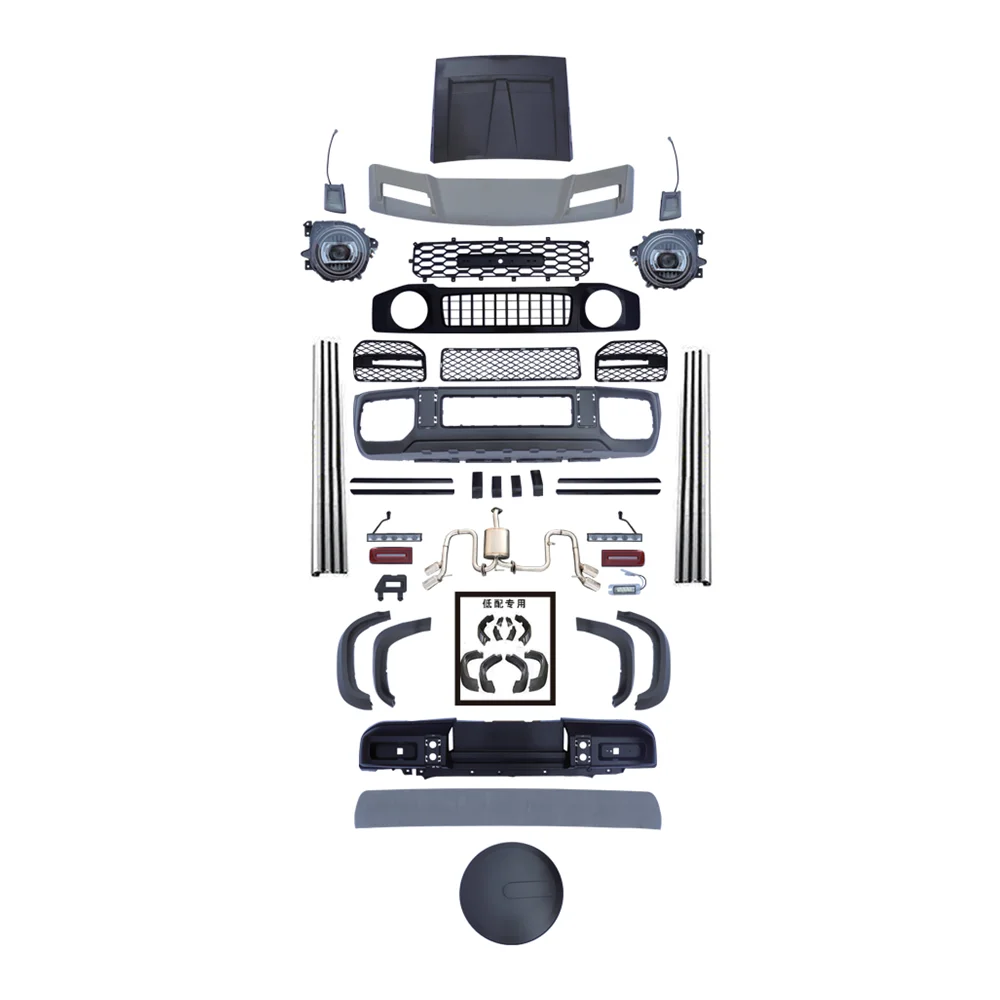
Bulk purchasing of automotive modification components requires careful consideration of multiple factors, including compatibility, quality standards, market demand, and supplier reliability. The complexity increases when dealing with different vehicle models, each requiring specific fitment specifications and design considerations. This comprehensive guide explores the essential aspects of selecting the most suitable modification packages for various automotive platforms while ensuring optimal investment returns for wholesale buyers.
Understanding Vehicle Compatibility Requirements
OEM Specification Analysis
Original Equipment Manufacturer specifications serve as the foundation for selecting appropriate modification components across different vehicle platforms. Each automotive model features unique dimensional requirements, mounting points, and structural considerations that directly impact fitment accuracy. Understanding these specifications becomes essential when evaluating potential suppliers and ensuring seamless installation processes for end customers.
Modern vehicles incorporate complex safety systems and aerodynamic designs that require careful consideration during component selection. Advanced driver assistance systems, pedestrian protection features, and crash safety requirements influence the design parameters of aftermarket components. Wholesale buyers must verify that selected products maintain compliance with relevant safety standards while preserving the vehicle's original functionality.
Platform-Specific Considerations
Different automotive platforms present unique challenges and opportunities for modification component selection. Compact vehicles typically require lightweight materials and subtle design modifications to maintain proportional aesthetics. Performance-oriented platforms demand components that enhance aerodynamic efficiency while providing aggressive styling elements that appeal to enthusiast customers.
Luxury vehicle segments require premium materials and sophisticated finishing techniques that align with the original vehicle's quality standards. The selection process for these platforms must prioritize craftsmanship, durability, and design coherence to meet the expectations of discerning customers who invest in high-end automotive modifications.
Material Quality and Manufacturing Standards
Composite Material Evaluation
Fiberglass remains a popular choice for aftermarket automotive components due to its favorable cost-to-performance ratio and manufacturing flexibility. However, quality variations among suppliers can significantly impact durability, fitment precision, and surface finish quality. Evaluating the resin systems, reinforcement materials, and manufacturing processes employed by potential suppliers ensures consistent product quality across bulk orders.
Carbon fiber components represent the premium segment of the modification market, offering superior strength-to-weight ratios and distinctive aesthetic appeal. The manufacturing complexity of carbon fiber products requires suppliers with advanced technical capabilities and quality control systems. Buyers must assess the weaving patterns, resin systems, and finishing processes to ensure authentic carbon fiber construction rather than cosmetic overlays.
Polyurethane and Alternative Materials
Polyurethane offers excellent flexibility and impact resistance, making it particularly suitable for front splitters, side skirts, and other components susceptible to road debris and parking incidents. The material's self-healing properties and paint adhesion characteristics make it an attractive option for customers seeking durability and easy maintenance. Evaluating the shore hardness, UV resistance, and temperature stability ensures long-term performance in various climatic conditions.
Emerging materials such as thermoplastic composites and bio-based polymers present opportunities for environmentally conscious buyers and suppliers. These materials often require specialized manufacturing processes and may command premium pricing, but they can differentiate product offerings in increasingly competitive markets.
Design Aesthetics and Market Appeal
Style Trend Analysis
Contemporary automotive styling trends heavily influence consumer preferences for modification components. Aggressive front splitters, pronounced side skirts, and distinctive rear diffusers continue to dominate the performance-oriented market segment. Understanding these trends helps wholesale buyers select car body kits that align with current consumer demands while anticipating future style directions.
Regional preferences also play a significant role in design selection, with different markets favoring distinct aesthetic approaches. European customers often prefer subtle, refined modifications that enhance the vehicle's original design language. Asian markets may favor more dramatic transformations with bold styling elements and aggressive aerodynamic features.
Customization Flexibility
Modular design systems offer wholesale buyers the ability to create diverse product configurations from standardized components. This approach reduces inventory complexity while providing customers with extensive customization options. Suppliers offering interchangeable elements, optional accessories, and compatible upgrade paths provide greater value proposition for bulk purchasing scenarios.
Color matching capabilities and surface preparation requirements significantly impact the total cost of ownership for end customers. Suppliers providing pre-primed components or color-matched options can reduce installation complexity and improve customer satisfaction. Evaluating these value-added services helps differentiate suppliers and justify premium pricing strategies.
Supplier Evaluation and Selection Criteria
Manufacturing Capability Assessment
Production capacity and scalability determine a supplier's ability to fulfill bulk orders within required timeframes. Assessing manufacturing facilities, equipment capabilities, and workforce expertise provides insights into quality consistency and delivery reliability. Suppliers with certified quality management systems and documented manufacturing processes typically deliver more predictable outcomes for large-volume purchases.
Research and development capabilities indicate a supplier's commitment to innovation and continuous improvement. Companies investing in advanced manufacturing technologies, materials research, and design optimization can provide competitive advantages through superior product performance and unique features. Long-term partnerships with innovative suppliers often yield better results than purely price-driven selections.
Quality Control and Testing Protocols
Comprehensive quality control systems ensure consistent product standards across production runs. Suppliers implementing statistical process control, incoming material inspection, and finished product testing provide greater assurance of quality consistency. Documentation of testing procedures and quality metrics enables objective comparison between potential suppliers.
Third-party certifications and compliance with international standards demonstrate a supplier's commitment to quality and regulatory compliance. ISO certifications, automotive industry standards, and regional safety approvals provide additional confidence in supplier capabilities and product reliability.
Cost Optimization and Value Engineering
Total Cost of Ownership Analysis
Initial purchase price represents only one component of the total cost equation for bulk automotive component purchases. Transportation costs, customs duties, inventory carrying costs, and potential warranty claims significantly impact overall profitability. Developing comprehensive cost models that account for all relevant factors enables more informed supplier selection and pricing decisions.
Volume-based pricing strategies and long-term supply agreements can provide substantial cost advantages for committed buyers. Negotiating favorable payment terms, exclusive distribution rights, or co-development opportunities can further enhance the value proposition. Building strategic relationships with key suppliers often yields benefits beyond simple cost reductions.
Inventory Management Considerations
Demand forecasting accuracy directly impacts inventory investment requirements and carrying costs. Understanding seasonal patterns, model-specific demand cycles, and market trend influences helps optimize purchasing quantities and timing. Suppliers offering flexible order quantities and reasonable lead times provide greater inventory management flexibility.
Just-in-time delivery capabilities and consignment inventory programs can significantly reduce working capital requirements while maintaining customer service levels. Evaluating supplier logistics capabilities and geographic proximity helps determine the feasibility of advanced inventory management strategies.
Installation and Technical Support
Installation Complexity Assessment
Installation requirements vary significantly among different component designs and vehicle platforms. Simple bolt-on applications appeal to do-it-yourself customers and reduce installation costs, while complex modifications may require professional installation and specialized tools. Understanding installation complexity helps predict customer satisfaction levels and potential support requirements.
Comprehensive installation documentation, including detailed instructions, hardware specifications, and troubleshooting guides, reduces installation errors and customer support burdens. Suppliers providing video tutorials, technical hotlines, and installation training programs add significant value for wholesale customers and their end users.
Technical Documentation and Support
Accurate fitment guides, compatibility matrices, and specification sheets enable efficient customer consultation and reduce ordering errors. Suppliers maintaining current documentation for multiple vehicle years and variants demonstrate professional organization and customer focus. Regular updates reflecting design changes or compatibility discoveries show ongoing commitment to customer support.
Technical support availability and expertise levels significantly impact customer satisfaction and repeat business potential. Suppliers with knowledgeable technical staff, reasonable response times, and proactive communication practices provide superior customer experiences that translate into business value for wholesale buyers.
FAQ
What factors determine compatibility between modification components and different vehicle models
Compatibility depends on multiple factors including mounting point locations, dimensional specifications, clearance requirements, and interference with existing vehicle systems. OEM specifications provide the foundation for compatibility assessment, while physical mockups and test fitting confirm actual fitment. Advanced driver assistance systems, safety features, and aerodynamic considerations also influence compatibility requirements for modern vehicles.
How can wholesale buyers verify the quality and authenticity of automotive modification components
Quality verification involves examining manufacturing processes, material specifications, and supplier certifications. Request material test reports, manufacturing facility audits, and quality control documentation from potential suppliers. Third-party certifications, customer references, and sample product evaluation provide additional quality assurance. Establishing clear quality standards and acceptance criteria helps maintain consistent product quality across bulk purchases.
What are the key differences between various materials used in automotive modification components
Fiberglass offers good cost-performance balance with moderate weight and acceptable durability for most applications. Carbon fiber provides superior strength-to-weight ratios and premium aesthetics but requires higher investment. Polyurethane delivers excellent flexibility and impact resistance, making it suitable for vulnerable components. Each material presents distinct manufacturing requirements, cost implications, and performance characteristics that influence selection decisions.
How do regional market preferences affect component selection strategies for bulk buyers
Regional preferences significantly influence design aesthetics, material choices, and performance priorities. European markets typically favor subtle, refined modifications that enhance original vehicle design. Asian markets often prefer more aggressive styling with dramatic visual impact. North American customers frequently prioritize performance functionality alongside aesthetic appeal. Understanding these preferences helps optimize product selection for specific market segments and geographic regions.
Table of Contents
- Understanding Vehicle Compatibility Requirements
- Material Quality and Manufacturing Standards
- Design Aesthetics and Market Appeal
- Supplier Evaluation and Selection Criteria
- Cost Optimization and Value Engineering
- Installation and Technical Support
-
FAQ
- What factors determine compatibility between modification components and different vehicle models
- How can wholesale buyers verify the quality and authenticity of automotive modification components
- What are the key differences between various materials used in automotive modification components
- How do regional market preferences affect component selection strategies for bulk buyers