 EN
EN


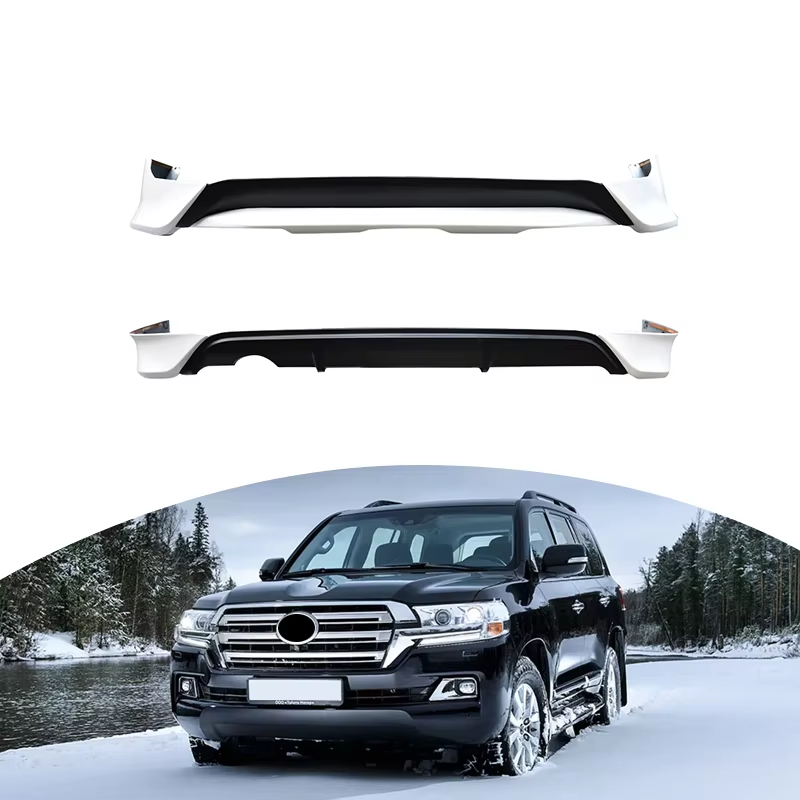
The automotive aftermarket industry continues to experience robust growth, driven by consumers seeking to customize and enhance their vehicles' appearance and performance. Among luxury SUV segments, the Lexus LX 570 stands out as a premium platform that commands significant attention from both enthusiasts and professional installers. For distributors and wholesale buyers looking to capitalize on this lucrative market, sourcing high-quality Lexus 570 body kits represents a strategic opportunity to meet growing demand while establishing strong profit margins.
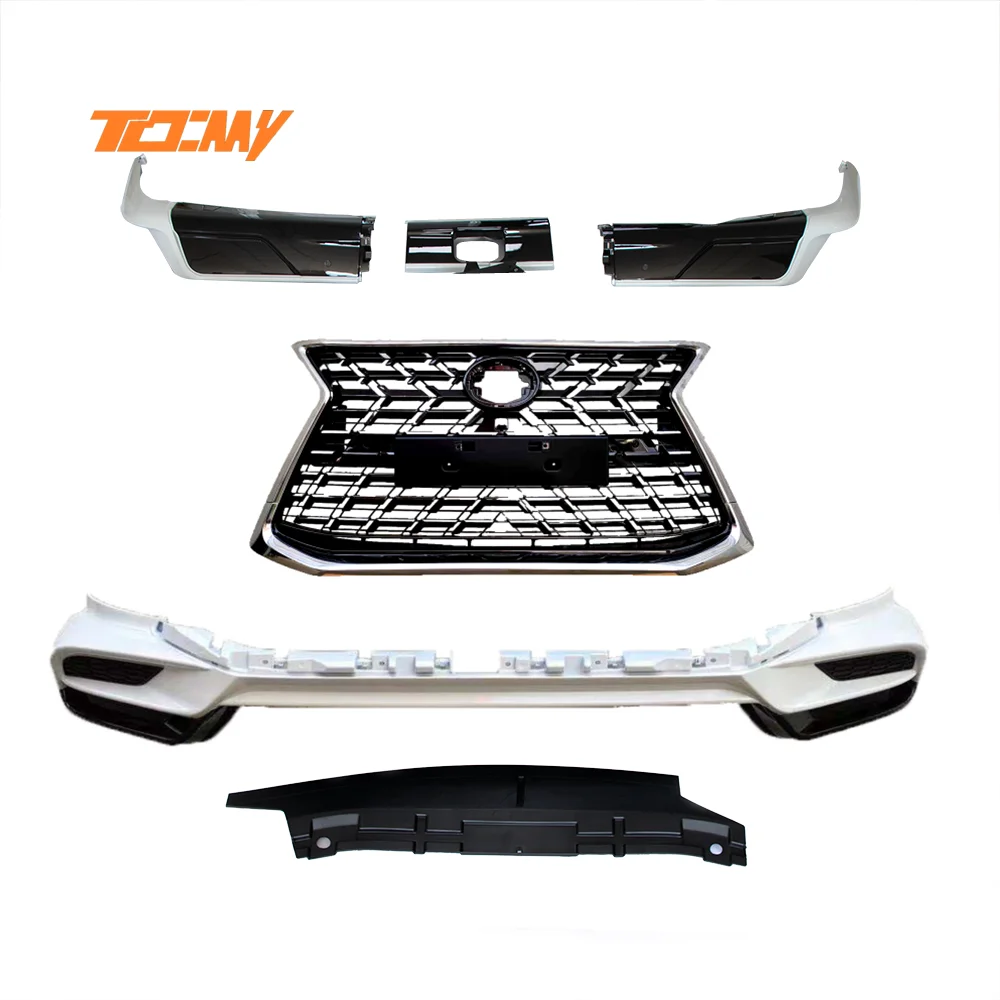
Understanding the market dynamics surrounding luxury vehicle modifications requires careful analysis of consumer preferences, quality expectations, and pricing structures. The Lexus LX 570, with its distinctive design language and premium positioning, attracts customers who demand exceptional build quality and precise fitment in their aftermarket upgrades. This creates both opportunities and challenges for distributors seeking to establish themselves in this competitive segment.
Market Analysis for Premium Body Kit Distribution
Consumer Demographics and Purchasing Patterns
The target demographic for luxury SUV modifications typically consists of affluent individuals aged 35-55 who view their vehicles as extensions of their personal brand. These consumers often prioritize quality over price, making them ideal customers for premium body kit solutions. Research indicates that this segment shows strong loyalty to brands that consistently deliver superior products and reliable customer service.
Purchase decision factors extend beyond mere aesthetics, encompassing considerations such as material durability, installation complexity, and long-term value retention. Successful distributors recognize that educating their retail partners about these value propositions becomes crucial for sustainable growth in this market segment.
Regional Market Variations and Opportunities
Geographic distribution patterns reveal significant variations in demand for luxury vehicle modifications. Urban markets with higher concentrations of luxury vehicle owners typically demonstrate stronger demand for comprehensive body kit solutions. Coastal regions and metropolitan areas often serve as primary markets, while secondary markets in suburban and rural areas present emerging opportunities for expansion.
Climate considerations also influence product selection, with regions experiencing harsh weather conditions showing preference for more durable materials and protective finishes. Understanding these regional nuances enables distributors to optimize their inventory mix and marketing strategies for maximum effectiveness.
Quality Standards and Manufacturing Excellence
Material Selection and Durability Requirements
Premium Lexus 570 body kits demand materials that match or exceed OEM standards for durability and appearance. High-grade ABS plastic, polyurethane, and fiberglass composites represent the primary material options, each offering distinct advantages for specific applications. ABS plastic provides excellent impact resistance and dimensional stability, making it ideal for front and rear bumper applications.
Polyurethane materials offer superior flexibility and paintability, characteristics that prove particularly valuable in applications requiring precise color matching with existing vehicle finishes. Fiberglass composites, while requiring more careful handling, deliver exceptional strength-to-weight ratios and enable complex geometric designs that enhance vehicle aesthetics.
Precision Fitment and Manufacturing Tolerances
Manufacturing precision directly impacts installation success and customer satisfaction levels. Premium Lexus 570 body kits require tight manufacturing tolerances to ensure proper alignment with existing body panels and mounting points. Advanced manufacturing processes, including CNC machining and precision molding, contribute to achieving these exacting standards.
Quality control procedures must address dimensional accuracy, surface finish consistency, and structural integrity across production runs. Implementing comprehensive inspection protocols helps identify potential issues before products reach distribution channels, protecting brand reputation and minimizing warranty claims.
Supplier Evaluation and Partnership Development
Manufacturing Capability Assessment
Evaluating potential suppliers requires comprehensive analysis of their manufacturing capabilities, quality systems, and production capacity. Facility inspections provide valuable insights into production processes, equipment sophistication, and workforce competency levels. Modern manufacturing facilities typically feature climate-controlled environments, advanced molding equipment, and integrated quality management systems.
Production capacity evaluation encompasses both current output capabilities and scalability potential to accommodate future growth requirements. Suppliers with flexible manufacturing systems can adapt more effectively to changing market demands and seasonal fluctuations in order volumes.
Quality Assurance and Certification Standards
Establishing clear quality standards and verification procedures forms the foundation of successful supplier relationships. International quality certifications such as ISO 9001 demonstrate commitment to systematic quality management approaches. Additionally, automotive industry-specific standards like TS 16949 provide additional assurance of manufacturing competency in automotive applications.
Regular quality audits and performance monitoring help maintain consistency and identify improvement opportunities. Collaborative approaches to quality enhancement often yield superior results compared to purely adversarial supplier relationships, fostering innovation and continuous improvement initiatives.
Inventory Management and Distribution Strategies
Demand Forecasting and Stock Optimization
Effective inventory management balances customer service levels with carrying costs and obsolescence risks. Demand forecasting for luxury vehicle accessories requires analysis of vehicle sales data, market trends, and seasonal patterns. Advanced analytics tools can help identify optimal stocking levels and reorder points for different product categories.
SKU rationalization efforts focus on identifying high-velocity items that generate the majority of sales volume and profit contribution. This analysis enables distributors to optimize their product mix while minimizing inventory investment and storage requirements.
Logistics and Fulfillment Considerations
Body kit distribution presents unique logistical challenges due to product size, weight, and fragility considerations. Packaging design must protect products during transit while minimizing shipping costs and storage space requirements. Custom packaging solutions often provide optimal protection for high-value items while reinforcing brand positioning.
Fulfillment network design should consider customer location density, shipping cost optimization, and delivery time requirements. Strategic warehouse placement can significantly reduce shipping costs while improving customer satisfaction through faster delivery times.
Pricing Strategies and Profit Optimization
Value-Based Pricing Approaches
Premium product segments enable value-based pricing strategies that focus on customer benefits rather than purely cost-plus approaches. Understanding customer willingness to pay for quality, convenience, and brand prestige helps establish optimal price points that maximize profitability while maintaining market competitiveness.
Competitive analysis should encompass both direct competitors and alternative solutions that customers might consider. This comprehensive view helps identify pricing opportunities and potential threats to market position.
Channel Partner Support and Margin Structure
Successful distribution requires attractive margin structures that motivate channel partners while preserving distributor profitability. Tiered pricing programs can reward volume commitments and loyalty while providing flexibility for different market segments. Training and support programs add value for retail partners and strengthen relationships.
Performance-based incentive programs align partner interests with distributor objectives, encouraging behaviors that drive mutual success. These programs might include volume bonuses, marketing support, or exclusive territory arrangements for top-performing partners.
Marketing and Brand Development
Digital Marketing and Online Presence
Modern distribution success requires strong digital marketing capabilities and online presence. Search engine optimization, social media engagement, and content marketing help build brand awareness and generate qualified leads. High-quality product photography and detailed specifications support online sales processes and reduce customer inquiries.
E-commerce platforms enable direct customer engagement while providing valuable market intelligence about customer preferences and buying patterns. Integration with traditional distribution channels creates omnichannel experiences that maximize customer convenience and satisfaction.
Trade Show Participation and Industry Networking
Industry trade shows provide valuable opportunities for product demonstration, relationship building, and market intelligence gathering. Strategic trade show participation can accelerate market penetration and establish credibility with key industry stakeholders. Professional booth design and engaging product displays help differentiate brands in competitive environments.
Networking activities extend beyond formal trade show environments to include industry associations, user groups, and professional organizations. These relationships often generate referrals and provide insights into emerging market trends and opportunities.
FAQ
What factors should distributors consider when evaluating body kit suppliers
Key evaluation criteria include manufacturing capabilities, quality systems, production capacity, and financial stability. Distributors should assess facility infrastructure, quality certifications, sample product quality, and supplier responsiveness to inquiries. Additionally, evaluating supplier flexibility, innovation capabilities, and long-term partnership potential helps ensure sustainable relationships that can adapt to changing market conditions.
How can distributors optimize inventory levels for seasonal demand fluctuations
Effective inventory optimization requires historical sales analysis, seasonal trend identification, and demand forecasting models. Distributors should implement flexible ordering systems that allow rapid response to demand changes while maintaining safety stock levels for critical items. Collaborative planning with suppliers and retail partners helps improve demand visibility and reduce inventory risks.
What quality standards should premium body kits meet for luxury vehicle applications
Premium body kits should meet or exceed OEM standards for material quality, dimensional accuracy, and surface finish. Products should demonstrate proper fitment with existing vehicle components, durability under normal operating conditions, and compatibility with standard paint systems. Quality standards should address impact resistance, UV stability, and long-term dimensional stability to ensure customer satisfaction.
How important is local market knowledge for international body kit distribution
Local market knowledge proves crucial for successful international distribution, encompassing regulatory requirements, customer preferences, competitive landscape, and cultural factors. Understanding local installation practices, warranty expectations, and service requirements helps distributors adapt their strategies for maximum effectiveness. Additionally, knowledge of local automotive trends and modification preferences enables better product selection and marketing approaches.
Table of Contents
- Market Analysis for Premium Body Kit Distribution
- Quality Standards and Manufacturing Excellence
- Supplier Evaluation and Partnership Development
- Inventory Management and Distribution Strategies
- Pricing Strategies and Profit Optimization
- Marketing and Brand Development
-
FAQ
- What factors should distributors consider when evaluating body kit suppliers
- How can distributors optimize inventory levels for seasonal demand fluctuations
- What quality standards should premium body kits meet for luxury vehicle applications
- How important is local market knowledge for international body kit distribution