 EN
EN



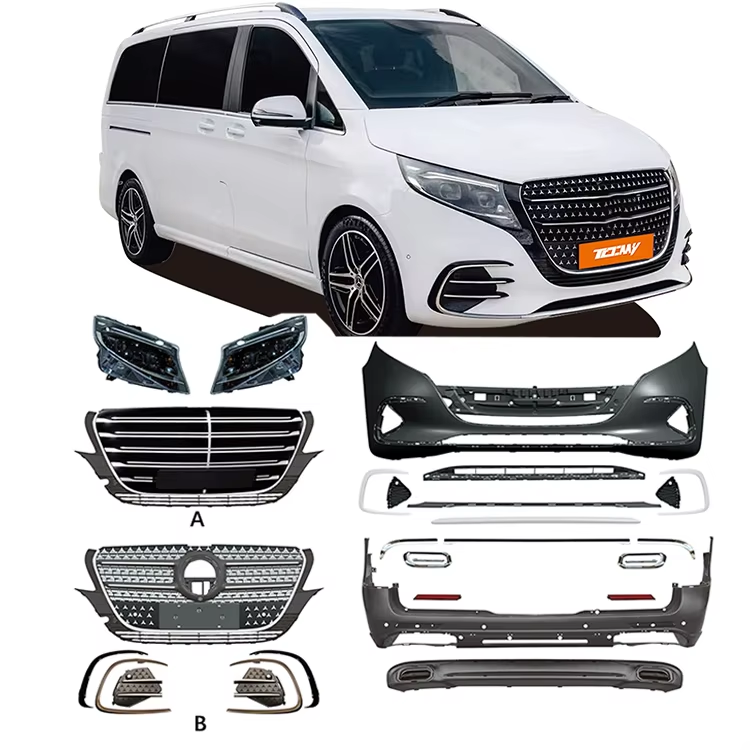
Sourcing quality exterior accessories for commercial vehicle fleets requires careful consideration of supplier reliability, product durability, and cost-effectiveness. When managing bulk orders for Mercedes Vito vehicles, procurement professionals must navigate complex supply chains while ensuring consistent quality standards. The commercial vehicle aftermarket has evolved significantly, with manufacturers offering comprehensive body kits, grilles, bumpers, and styling components designed specifically for fleet applications. Understanding the nuances of bulk purchasing helps businesses achieve better pricing while maintaining the professional appearance their Mercedes Vito fleets demand.
Understanding Commercial Vehicle Accessory Markets
Global Supply Chain Dynamics
The commercial vehicle accessory market operates through intricate global supply networks connecting manufacturers, distributors, and end users. Major production centers in Asia, particularly China and Taiwan, have become dominant suppliers of aftermarket components for European commercial vehicles. These facilities often maintain ISO certifications and implement quality management systems that meet or exceed original equipment manufacturer standards. Understanding these supply chain relationships enables procurement teams to identify reliable partners who can consistently deliver Mercedes Vito exterior accessories at competitive bulk pricing.
Successful bulk sourcing requires establishing relationships with suppliers who understand commercial vehicle specifications and regulatory requirements. Many manufacturers specializing in Mercedes Vito components maintain dedicated production lines for popular models, ensuring consistent availability and shorter lead times. These suppliers often provide technical documentation, installation guides, and warranty coverage that supports fleet maintenance operations. Building strategic partnerships with such suppliers creates long-term value through preferential pricing, priority allocation during high-demand periods, and access to new product developments.
Market Segmentation and Pricing Structures
Commercial vehicle accessory markets are segmented into various categories including OEM-equivalent replacements, performance upgrades, and aesthetic enhancements. Each segment follows different pricing models and quality standards that impact bulk purchasing decisions. OEM-equivalent products typically command premium pricing but offer guaranteed fitment and durability, while aftermarket alternatives provide cost savings with varying quality levels. Understanding these distinctions helps procurement teams select appropriate products for their specific fleet requirements and budget constraints.
Bulk pricing structures in the aftermarket industry often follow tiered models based on order quantities, with significant discounts available for larger purchases. Many suppliers offer additional incentives such as free shipping, extended payment terms, or volume rebates for customers committing to annual purchase agreements. Negotiating these terms requires understanding market dynamics, seasonal demand patterns, and supplier capacity constraints that influence pricing flexibility.
Quality Assessment and Supplier Evaluation
Material Standards and Manufacturing Processes
Quality assessment begins with understanding the materials and manufacturing processes used in producing exterior accessories. High-grade automotive plastics, such as ABS and polypropylene compounds, offer superior durability and weather resistance compared to lower-cost alternatives. Metal components should utilize corrosion-resistant materials or protective coatings suitable for commercial vehicle operating environments. Evaluating supplier manufacturing capabilities includes reviewing their equipment, quality control procedures, and testing protocols to ensure consistent product quality across large production runs.
Advanced manufacturing techniques such as injection molding precision, surface finishing quality, and dimensional accuracy directly impact the fit and appearance of Mercedes Vito exterior accessories. Suppliers utilizing computer-aided design and manufacturing systems typically achieve better consistency and can provide detailed technical specifications. Requesting sample products for evaluation allows procurement teams to assess build quality, fitment accuracy, and overall craftsmanship before committing to bulk orders. This evaluation process should include stress testing, environmental exposure tests, and compatibility verification with existing vehicle systems.
Certification and Compliance Requirements
Regulatory compliance represents a critical factor in supplier selection, particularly for accessories that may affect vehicle safety or emissions systems. European markets require CE marking for many automotive components, while other regions have specific certification requirements. Suppliers should provide documentation demonstrating compliance with relevant automotive standards, environmental regulations, and safety requirements. This documentation becomes essential for fleet operators who must maintain regulatory compliance and insurance coverage.
Professional suppliers maintain comprehensive quality management systems including ISO 9001 certification, supplier audit programs, and continuous improvement processes. These systems provide assurance of consistent quality delivery and support long-term supply relationships. Evaluating supplier quality certifications, customer references, and track record with similar commercial vehicle applications helps identify reliable partners for bulk purchasing programs.
Procurement Strategies for Bulk Orders
Contract Negotiation and Terms
Effective bulk procurement requires structured contract negotiations that address pricing, delivery schedules, quality standards, and risk allocation. Professional procurement teams develop detailed specifications covering product requirements, packaging standards, inspection procedures, and acceptance criteria. These specifications become the foundation for supplier agreements that protect buyer interests while establishing clear performance expectations. Contract terms should address payment schedules, currency hedging, force majeure provisions, and dispute resolution mechanisms.
Long-term supply agreements often provide better pricing and supply security compared to spot purchases. These agreements may include minimum purchase commitments, volume discounts, and pricing adjustment mechanisms tied to material costs or market indices. Negotiating flexible delivery schedules helps manage inventory costs while ensuring adequate stock levels for fleet maintenance operations. Professional contracts also establish intellectual property protections, confidentiality provisions, and supplier performance monitoring requirements.
Supply Chain Risk Management
Bulk ordering strategies must account for various supply chain risks including supplier financial stability, production capacity constraints, and geopolitical factors affecting international trade. Diversifying supplier base across multiple geographic regions reduces dependency on single sources and provides alternative supply options during disruptions. Maintaining strategic inventory reserves helps buffer against supply interruptions while balancing carrying costs against availability requirements.
Professional risk management includes regular supplier financial assessments, production capacity audits, and contingency planning for supply disruptions. Establishing backup suppliers, alternative product specifications, and emergency procurement procedures provides operational resilience during unexpected events. These risk mitigation strategies become particularly important for critical components that directly impact fleet availability and operational capabilities.
Logistics and Distribution Considerations
Shipping and Handling Requirements
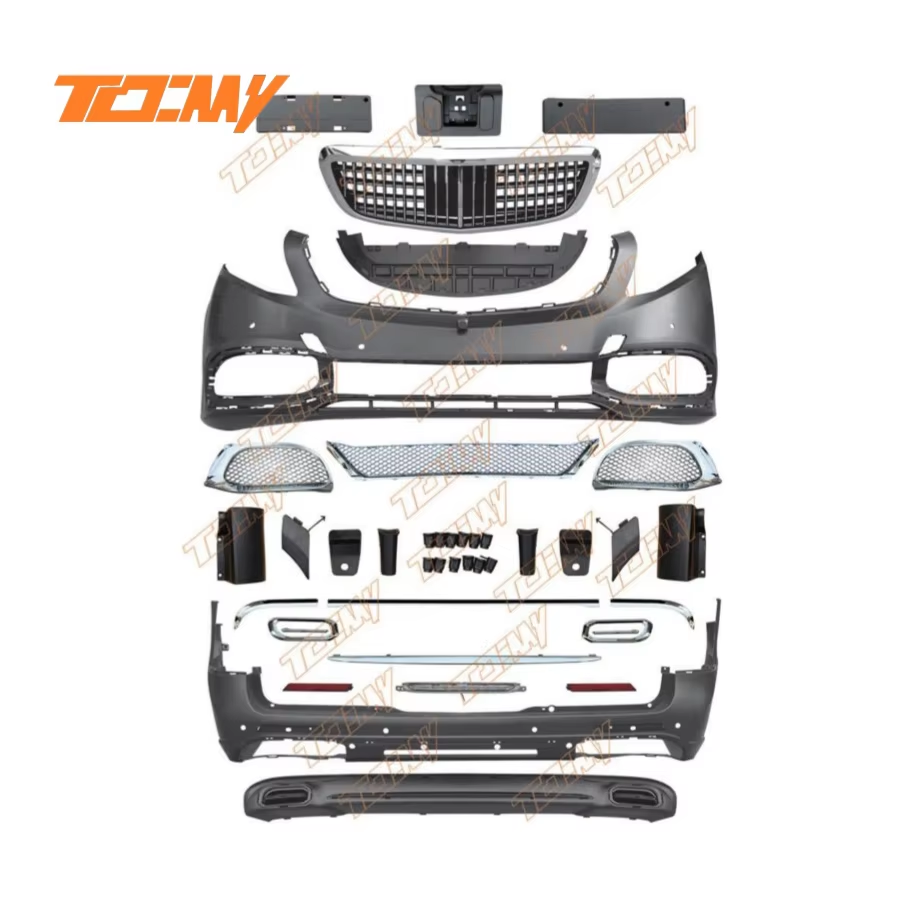
Commercial vehicle accessories require specialized packaging and handling procedures to prevent damage during transit. Large body components, grilles, and bumpers need protective packaging that prevents scratching, impact damage, and deformation. Professional suppliers utilize custom packaging solutions including foam inserts, protective films, and reinforced containers designed for automotive components. Understanding packaging requirements helps calculate total landed costs and select appropriate shipping methods for bulk orders.
International shipping arrangements for bulk orders often involve container loads that require careful loading planning and customs documentation. Consolidated shipments provide cost advantages but require coordination of delivery schedules and inventory management. Working with experienced freight forwarders who understand automotive component requirements helps ensure proper handling and regulatory compliance throughout the shipping process.
Warehousing and Inventory Management
Bulk procurement requires adequate warehousing facilities with appropriate environmental controls for automotive components. Many exterior accessories require protection from temperature extremes, humidity, and UV exposure that could affect material properties or appearance. Professional warehouse operations implement inventory tracking systems, quality control procedures, and handling protocols that maintain product condition throughout storage periods.
Effective inventory management balances carrying costs against availability requirements while minimizing obsolescence risks. Advanced inventory systems provide real-time visibility into stock levels, consumption patterns, and reorder requirements. These systems support just-in-time delivery to fleet maintenance facilities while maintaining adequate safety stock for emergency repairs and unexpected demand fluctuations.
FAQ
What minimum order quantities typically apply for Mercedes Vito exterior accessories
Minimum order quantities vary significantly based on product complexity and supplier capabilities, typically ranging from 50 to 500 pieces per component type. Body kits and complete accessory sets often have lower minimum quantities due to higher unit values, while smaller components like trim pieces may require larger minimum orders. Most professional suppliers offer flexible ordering arrangements for established customers, including mixed product orders that meet overall value thresholds rather than individual component minimums.
How can fleet operators ensure compatibility across different Mercedes Vito model years
Compatibility verification requires detailed vehicle identification including model year, engine type, and existing equipment configurations. Professional suppliers maintain comprehensive compatibility databases and provide technical support to ensure proper fitment. Requesting detailed product specifications and installation instructions helps identify potential compatibility issues before ordering. Many suppliers offer fitment guarantees and technical support throughout the installation process to ensure successful integration with existing vehicle systems.
What quality standards should be prioritized for commercial vehicle applications
Commercial vehicle applications demand superior durability, weather resistance, and impact protection compared to passenger car accessories. Priority should be given to suppliers who test their products under commercial operating conditions including extended duty cycles, extreme temperatures, and exposure to road chemicals. Quality standards should address material specifications, dimensional accuracy, surface finish durability, and long-term performance characteristics relevant to fleet operations.
How do bulk pricing structures typically work in the aftermarket industry
Bulk pricing typically follows tiered discount structures with increasing savings at higher volume levels. Initial discounts may begin at 10-15% for orders exceeding minimum quantities, with additional discounts available for larger commitments. Annual purchase agreements often provide the best pricing through volume rebates, preferential terms, and guaranteed pricing periods. Professional suppliers may also offer additional value through free shipping, extended payment terms, or technical support services included in bulk purchase arrangements.
Table of Contents
- Understanding Commercial Vehicle Accessory Markets
- Quality Assessment and Supplier Evaluation
- Procurement Strategies for Bulk Orders
- Logistics and Distribution Considerations
-
FAQ
- What minimum order quantities typically apply for Mercedes Vito exterior accessories
- How can fleet operators ensure compatibility across different Mercedes Vito model years
- What quality standards should be prioritized for commercial vehicle applications
- How do bulk pricing structures typically work in the aftermarket industry