 EN
EN



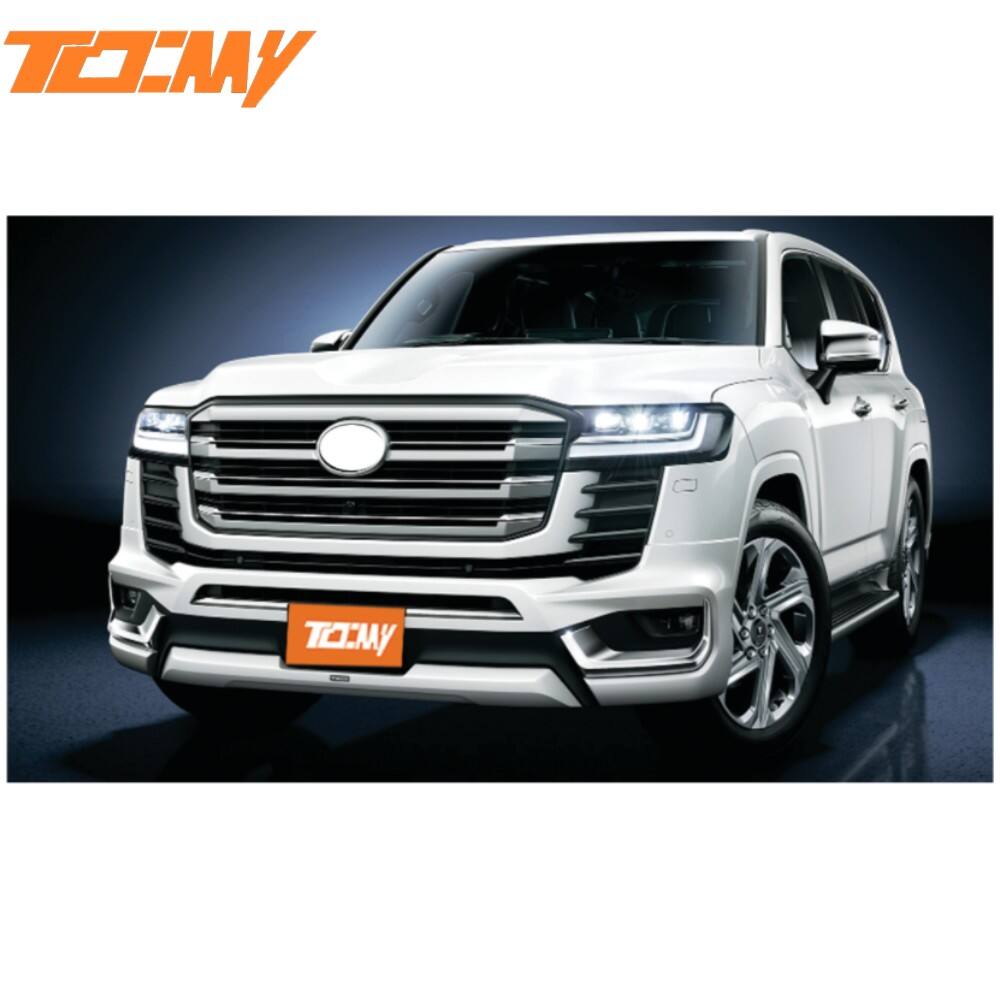
The latest LC300 body kit trends in the automotive market are reshaping vehicle customization with bold design innovations and advanced manufacturing techniques. These cutting-edge modifications reflect the evolving preferences of automotive enthusiasts who seek both performance enhancement and distinctive aesthetic appeal. The current market showcases a significant shift toward more aggressive front-end designs, aerodynamic optimization, and premium material integration that mirrors the sophistication found in luxury vehicles like the lexus 570.
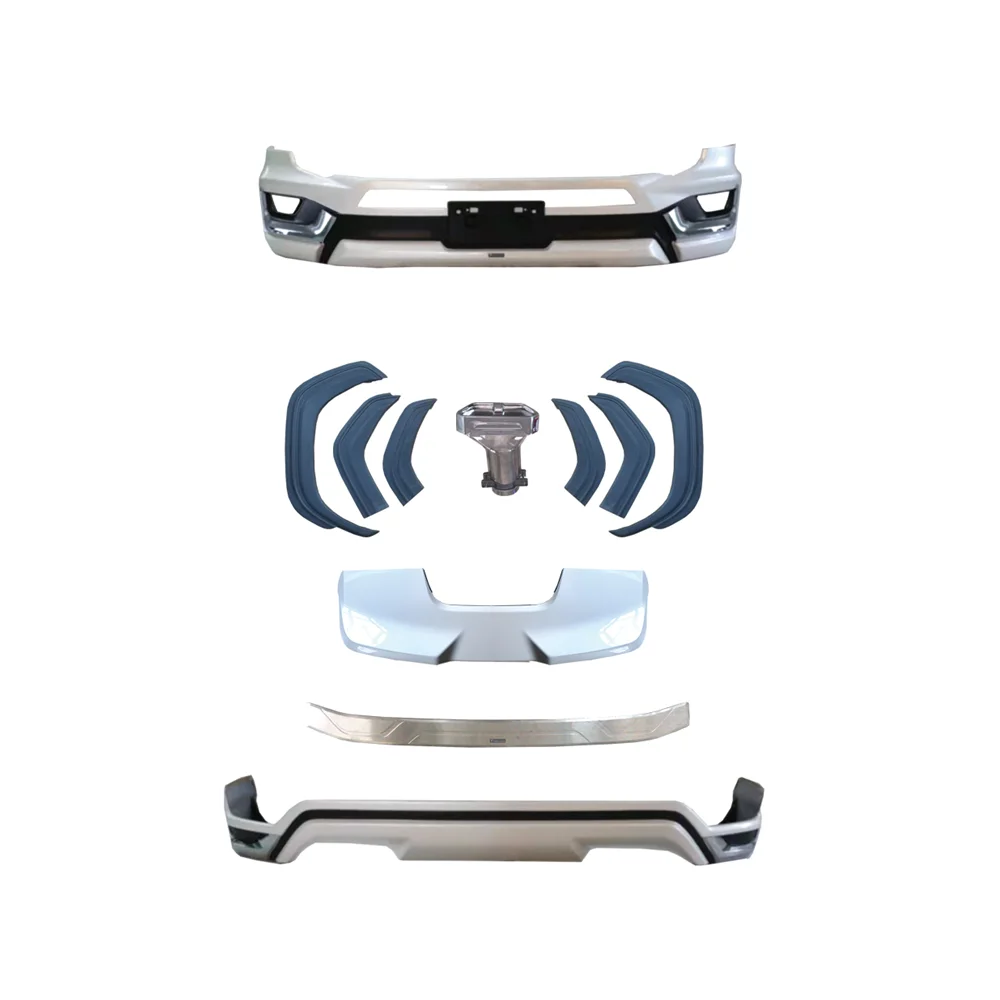
These contemporary body kit trends demonstrate how modern automotive customization has evolved beyond simple cosmetic upgrades to comprehensive styling solutions that enhance both form and function. The latest LC300 modifications incorporate elements that draw inspiration from high-end luxury SUVs, including design cues that echo the lexus 570 aesthetic philosophy while maintaining unique identity characteristics. Understanding these trends is essential for automotive professionals, customization specialists, and vehicle owners who want to stay current with market developments and consumer preferences in the rapidly evolving body kit industry.
Design Evolution in Contemporary LC300 Body Kits
Aggressive Front Fascia Styling
The most prominent trend in current LC300 body kit design centers around dramatically enhanced front fascia styling that emphasizes bold, angular geometry and increased visual presence. Modern front bumper designs feature larger air intake sections, more pronounced side vents, and integrated LED accent lighting that creates a commanding road presence similar to premium vehicles like the lexus 570. These design elements serve dual purposes by improving both aesthetic appeal and functional airflow management.
Contemporary front bumper modifications incorporate multi-layered design approaches that add depth and visual complexity through carefully positioned trim pieces, textured surfaces, and strategic color contrasts. The latest designs often feature carbon fiber accents, piano black trim sections, and metallic highlights that create sophisticated visual hierarchy while maintaining the robust character expected from SUV platforms. These styling choices reflect broader automotive design trends that emphasize technological sophistication and premium material integration.
Advanced manufacturing techniques now enable more complex front bumper geometries with precise fitment tolerances that ensure seamless integration with existing vehicle systems. Modern body kit manufacturers utilize computer-aided design tools and advanced molding processes to achieve intricate surface details that were previously impossible to produce cost-effectively, resulting in products that match or exceed original equipment quality standards.
Integrated Lighting Technology
The integration of advanced lighting technology represents a significant evolution in LC300 body kit design, with LED daytime running lights, sequential turn signals, and accent lighting becoming standard features in premium modification packages. These lighting elements are strategically positioned within front bumper designs to enhance both safety functionality and visual appeal, following design language established by luxury manufacturers including those producing vehicles like the lexus 570.
Modern LED integration techniques allow for seamless incorporation of lighting elements that appear as natural extensions of the vehicle's existing lighting architecture. Advanced body kit designs feature custom-designed LED arrays that complement the vehicle's existing headlight systems while providing additional illumination and distinctive visual signatures that enhance brand recognition and vehicle identity.
The latest lighting integration approaches also incorporate smart connectivity features that allow for customizable lighting patterns, synchronized operation with existing vehicle systems, and smartphone-controlled activation sequences. These technological enhancements reflect the automotive industry's broader movement toward connected vehicle technologies and personalized user experiences that extend beyond traditional mechanical modifications.
Material Innovation and Manufacturing Advances
High-Performance Composite Materials
Current LC300 body kit trends showcase significant advances in material technology, with manufacturers increasingly utilizing high-performance composites that offer superior durability, weight reduction, and design flexibility compared to traditional materials. These advanced materials enable more complex geometries and intricate surface details while maintaining structural integrity under demanding operating conditions typical of SUV applications.
Carbon fiber reinforced polymer components have become increasingly prominent in premium body kit applications, offering exceptional strength-to-weight ratios and distinctive visual textures that appeal to performance-oriented consumers. The latest manufacturing processes allow for high-quality carbon fiber components at more accessible price points, making these materials available to a broader range of customization projects that previously would have required less advanced alternatives.
Advanced polymer blends and engineered plastics now provide excellent impact resistance, UV stability, and temperature tolerance while offering cost-effective alternatives to exotic materials. These materials enable body kit manufacturers to achieve the sophisticated surface finishes and precise dimensional accuracy required for seamless integration with modern vehicle designs, including those found on premium platforms like the lexus 570.
Advanced Manufacturing Precision
Modern body kit manufacturing employs precision molding techniques, computer-controlled cutting systems, and advanced quality control processes that ensure consistent product quality and optimal fitment across production runs. These manufacturing advances enable the production of body kit components with tight tolerances that match original equipment specifications while incorporating design enhancements that improve upon factory styling.
Three-dimensional scanning technology and digital prototyping now allow manufacturers to create body kit designs that perfectly complement existing vehicle surfaces without requiring extensive modification or adaptation during installation. This precision manufacturing approach reduces installation complexity, improves long-term durability, and ensures that modified vehicles maintain their structural integrity and safety characteristics.
Quality control processes now incorporate automated inspection systems that verify dimensional accuracy, surface finish quality, and material consistency throughout the manufacturing process. These advanced quality assurance measures ensure that contemporary body kit components meet the high standards expected by consumers who demand professional-grade results from their vehicle modifications, particularly when working with luxury platforms similar to the lexus 570.
Aerodynamic Enhancement and Functional Integration
Performance-Oriented Design Elements
The latest LC300 body kit trends emphasize functional aerodynamic improvements that provide tangible performance benefits beyond aesthetic enhancement. Modern designs incorporate carefully engineered airflow management features, including optimized air intake geometries, strategic ventilation channels, and integrated spoiler elements that work together to improve vehicle stability and efficiency at highway speeds.
Contemporary body kit designs utilize computational fluid dynamics analysis to optimize airflow patterns around modified vehicle surfaces, ensuring that aesthetic enhancements do not compromise aerodynamic performance. These engineering approaches result in body kit components that actually improve vehicle aerodynamics while providing the aggressive styling characteristics desired by performance enthusiasts and luxury vehicle owners accustomed to platforms like the lexus 570.
Advanced spoiler integration techniques now allow for adjustable aerodynamic elements that can be tuned for different driving conditions or personal preferences. These systems incorporate motorized adjustment mechanisms, load sensors, and integrated control systems that automatically optimize aerodynamic configuration based on vehicle speed, driving mode, and environmental conditions.
Cooling System Integration
Modern LC300 body kit designs incorporate enhanced cooling system integration that improves engine thermal management through strategically positioned air intakes, heat extraction vents, and improved airflow routing. These functional enhancements are particularly important for vehicles equipped with high-performance powertrains or those operating in demanding environmental conditions where optimal cooling performance is essential.
The latest body kit designs feature engineered air intake systems that direct cool air to critical engine components while maintaining the sophisticated aesthetic appeal expected from premium modification packages. These systems often incorporate adjustable intake geometries, removable filter elements, and integrated temperature monitoring systems that provide real-time feedback on cooling system performance.
Advanced heat management technologies now include active cooling elements such as electrically controlled fans, variable-geometry intake systems, and smart airflow routing that automatically adjusts based on engine load and operating conditions. These technologies reflect the increasing sophistication of modern vehicle modification approaches and the growing demand for functional enhancements that complement aesthetic improvements in vehicles similar to the lexus 570.
Market Positioning and Consumer Preferences
Luxury Market Alignment
Current LC300 body kit trends reflect a clear alignment with luxury market expectations, incorporating premium materials, sophisticated manufacturing techniques, and design elements that echo the aesthetic philosophies found in high-end automotive brands. This market positioning addresses the growing demand from consumers who expect their vehicle modifications to match the quality and refinement levels of their base vehicles, particularly when working with premium platforms.
The latest body kit designs demonstrate careful attention to detail, premium surface finishes, and sophisticated color coordination that complement the existing vehicle design language rather than overwhelming it. These approaches recognize that modern consumers prefer subtle enhancement rather than dramatic transformation, seeking modifications that appear as natural extensions of the original design rather than obvious aftermarket additions.
Premium body kit packages now incorporate comprehensive styling approaches that address multiple vehicle areas simultaneously, creating cohesive visual themes that extend from front fascia modifications to side skirt enhancements and rear diffuser integration. This holistic design philosophy ensures that modified vehicles maintain visual harmony and aesthetic coherence similar to what consumers expect from luxury vehicles like the lexus 570.
Customization Flexibility
Modern body kit trends emphasize modular design approaches that allow consumers to customize their vehicles according to personal preferences, functional requirements, and budget considerations. These flexible systems enable incremental modification approaches where vehicle owners can gradually enhance their vehicles over time rather than committing to comprehensive modification packages from the outset.
The latest body kit offerings include multiple configuration options, alternative material choices, and various finish selections that allow for personalized modification approaches. These options enable consumers to create unique vehicle appearances while maintaining compatibility with existing vehicle systems and ensuring that modifications can be reversed or updated as preferences evolve over time.
Advanced customization systems now incorporate digital visualization tools that allow consumers to preview modification results before committing to specific design choices. These tools utilize augmented reality technology, high-resolution rendering systems, and accurate color matching algorithms to provide realistic representations of how various body kit options will appear on specific vehicles, including luxury platforms similar to the lexus 570.
FAQ
How do current LC300 body kit trends differ from previous generation modifications?
Current LC300 body kit trends emphasize sophisticated material integration, advanced manufacturing precision, and functional aerodynamic enhancement that represents a significant evolution from previous generation modifications. Modern designs incorporate premium composite materials, integrated LED lighting systems, and computer-optimized aerodynamic features that provide both aesthetic enhancement and measurable performance improvements. These contemporary approaches reflect the automotive industry's movement toward more refined modification solutions that complement rather than overwhelm existing vehicle design languages, similar to the sophisticated styling found in luxury vehicles like the lexus 570.
What materials are most commonly used in the latest LC300 body kit designs?
The latest LC300 body kit designs primarily utilize high-performance composite materials including carbon fiber reinforced polymers, advanced engineering plastics, and specialized polymer blends that offer superior durability and design flexibility. These materials enable complex geometries, precise surface finishes, and excellent long-term performance under demanding operating conditions. Premium applications often incorporate carbon fiber components for their distinctive appearance and exceptional strength-to-weight characteristics, while cost-effective options utilize advanced polymer materials that provide excellent impact resistance and UV stability similar to those used in luxury vehicle applications like the lexus 570.
Are modern LC300 body kits compatible with factory safety and electronic systems?
Modern LC300 body kits are specifically designed to maintain compatibility with factory safety systems, electronic components, and sensor arrays through careful engineering and precise manufacturing tolerances. Contemporary body kit designs accommodate parking sensors, camera systems, and advanced driver assistance technologies without compromising functionality or requiring system modifications. The latest designs often incorporate enhanced integration features that improve sensor performance while maintaining the sophisticated electronic capabilities expected from modern vehicles, ensuring that modified vehicles retain their original safety characteristics and electronic functionality comparable to luxury platforms like the lexus 570.
How do aerodynamic enhancements in current body kit trends improve vehicle performance?
Aerodynamic enhancements in current LC300 body kit trends improve vehicle performance through optimized airflow management, reduced drag coefficients, and enhanced cooling system efficiency that provide measurable benefits during highway operation. Modern designs utilize computational fluid dynamics analysis to create air intake geometries, spoiler configurations, and ventilation systems that work together to improve vehicle stability and fuel efficiency. These functional improvements complement aesthetic enhancements while providing tangible performance benefits that justify modification investments, particularly for vehicle owners accustomed to the refined performance characteristics found in luxury vehicles like the lexus 570.
Table of Contents
- Design Evolution in Contemporary LC300 Body Kits
- Material Innovation and Manufacturing Advances
- Aerodynamic Enhancement and Functional Integration
- Market Positioning and Consumer Preferences
-
FAQ
- How do current LC300 body kit trends differ from previous generation modifications?
- What materials are most commonly used in the latest LC300 body kit designs?
- Are modern LC300 body kits compatible with factory safety and electronic systems?
- How do aerodynamic enhancements in current body kit trends improve vehicle performance?