 EN
EN


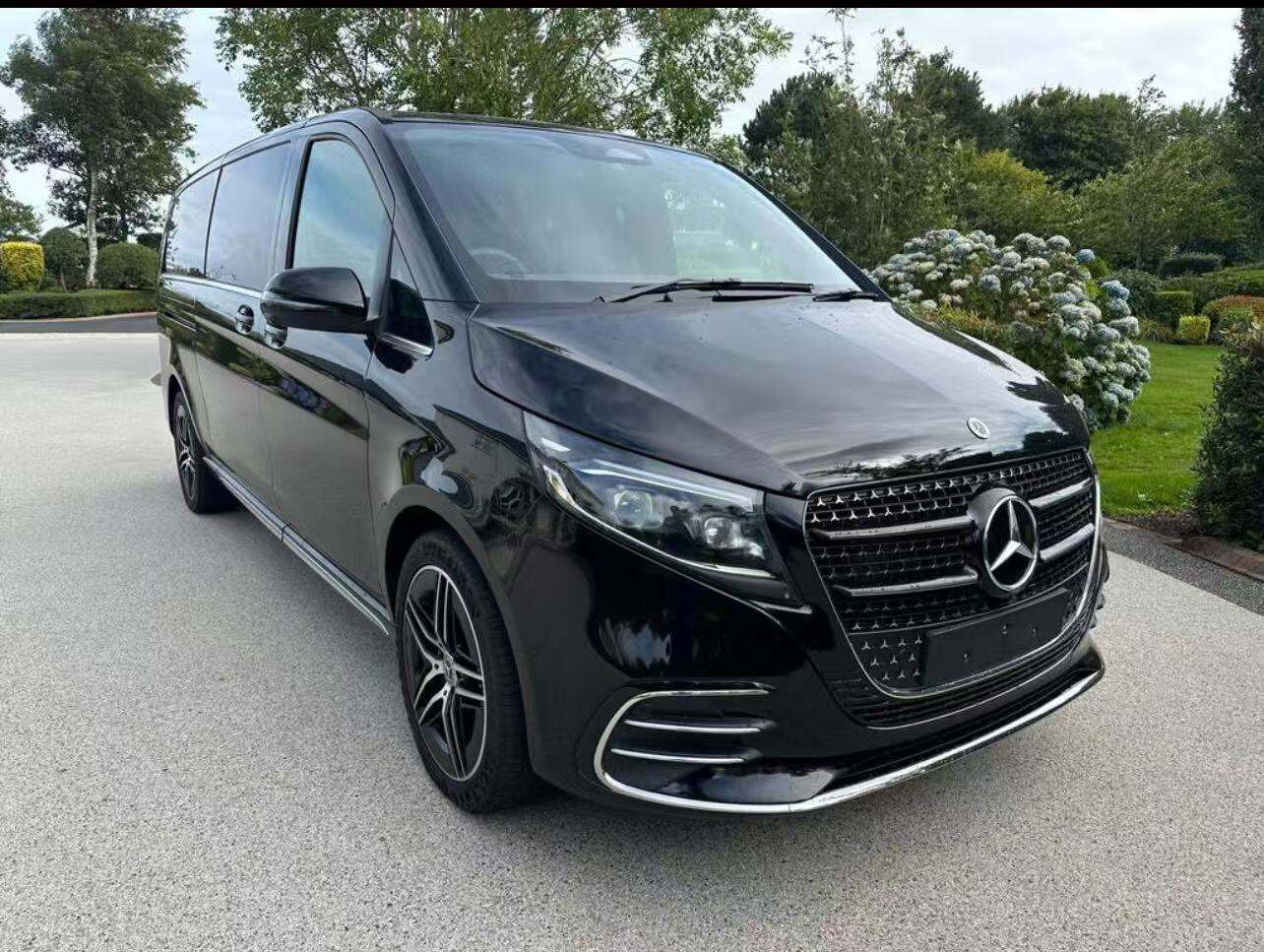
The automotive aftermarket industry has witnessed unprecedented growth in recent years, with specialized segments like commercial vehicle customization experiencing remarkable expansion. The global market for Mercedes Vito body kits represents a particularly dynamic sector, driven by increasing demand for vehicle personalization and commercial fleet differentiation. As businesses and individual owners seek to enhance both the aesthetic appeal and functional capabilities of their Mercedes Vito vehicles, the body kit market has evolved from a niche offering to a substantial commercial opportunity. This expansion reflects broader trends in automotive customization, where vehicle owners increasingly view their cars and vans as extensions of personal or corporate identity, much like how luxury vehicle segments such as the lexus 570 have influenced premium modification markets.
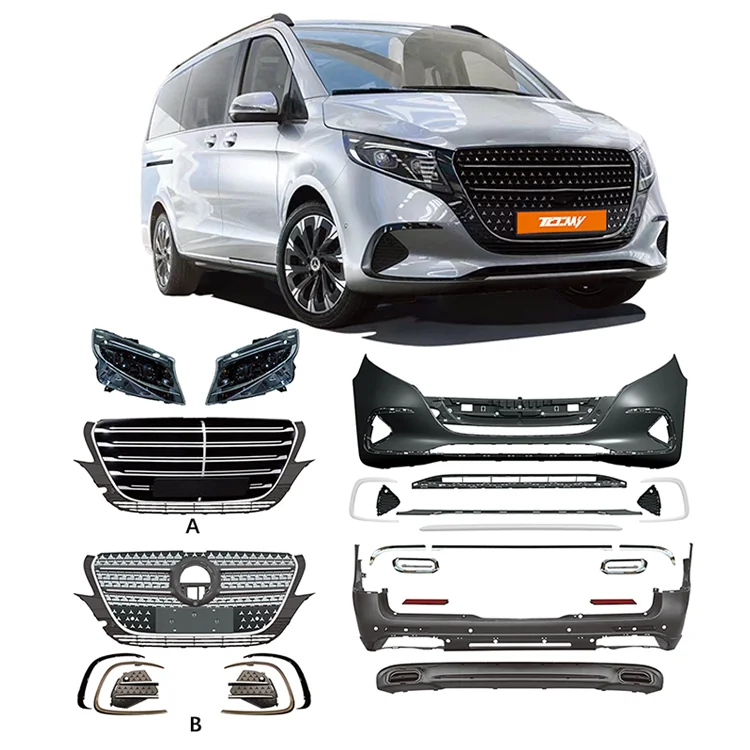
Market analysts project continued robust growth in the Mercedes Vito body kit segment, fueled by technological advancements in materials science, manufacturing processes, and design capabilities. The expansion encompasses multiple geographic regions, with European markets leading the charge due to the Vito's strong presence in commercial applications across the continent. However, emerging markets in Asia-Pacific and Latin America are demonstrating accelerating adoption rates as commercial vehicle fleets modernize and businesses recognize the marketing value of distinctive vehicle appearances. The influence of premium vehicle customization trends, including those seen in luxury segments like the lexus 570 market, has created spillover effects that benefit commercial vehicle modification sectors, establishing new consumer expectations for quality and design sophistication.
Regional Market Dynamics and Growth Drivers
European Market Leadership and Commercial Fleet Adoption
Europe continues to dominate the global Mercedes Vito body kit market, accounting for approximately sixty percent of total sales volume. This leadership position stems from the region's mature commercial vehicle market and the widespread adoption of Mercedes Vito models across various industries including logistics, passenger transport, and mobile service providers. German and UK markets show particularly strong growth, with businesses increasingly recognizing that customized vehicle appearances contribute to brand differentiation and professional image enhancement. The European market's sophistication mirrors trends observed in premium vehicle segments, where owners of models like the lexus 570 have long embraced comprehensive customization programs.
The commercial fleet sector drives significant demand as companies seek to establish visual brand consistency across their vehicle fleets. Large logistics companies, delivery services, and passenger transport operators view body kit modifications as cost-effective marketing investments that provide continuous brand exposure. This approach has proven particularly effective in urban environments where commercial vehicles operate in high-visibility contexts. European regulatory environments generally support vehicle modifications when they meet safety and environmental standards, creating a favorable framework for market expansion.
Asia-Pacific Emergence and Manufacturing Hub Development
The Asia-Pacific region represents the fastest-growing segment of the global Mercedes Vito body kit market, with annual growth rates exceeding twenty-five percent in key markets including China, Japan, and Australia. This expansion reflects increasing commercial vehicle adoption, rising disposable incomes, and evolving consumer preferences toward vehicle personalization. Japanese markets, influenced by strong automotive customization cultures and premium vehicle segments like the lexus 570, demonstrate sophisticated demand for high-quality body modification products.
Manufacturing capabilities in the region have expanded dramatically, with specialized facilities focusing on precision engineering and advanced materials applications. Chinese manufacturers have invested heavily in research and development, producing body kits that meet international quality standards while offering competitive pricing. The region's emergence as a manufacturing hub has reduced production costs and improved global supply chain efficiency, making body kit modifications more accessible to broader market segments.
Technology Integration and Product Innovation Trends
Advanced Materials and Manufacturing Processes
The Mercedes Vito body kit market expansion benefits significantly from technological advancements in materials science and manufacturing processes. Carbon fiber composites, advanced polymers, and lightweight metal alloys enable the production of body kits that offer superior durability, weight optimization, and aesthetic appeal. These material innovations draw inspiration from premium automotive segments, where vehicles like the lexus 570 have pioneered the use of advanced materials in aftermarket applications. Computer-aided design and manufacturing technologies allow for precise fitment and consistent quality across production runs.
Three-dimensional printing technologies have revolutionized prototype development and small-batch production capabilities, enabling manufacturers to respond quickly to market demands and customer-specific requirements. Advanced surface treatment technologies, including specialized coatings and finishes, provide enhanced durability and weather resistance essential for commercial vehicle applications. These technological capabilities support market expansion by reducing development time, improving product quality, and enabling cost-effective customization options.
Integration with Vehicle Electronics and Smart Technologies
Modern body kit designs increasingly incorporate electronic components and smart technologies that enhance both functionality and aesthetic appeal. LED lighting systems, integrated sensors, and communication equipment can be seamlessly integrated into body kit designs, providing added value to commercial operators. This technological integration reflects broader automotive industry trends toward connectivity and smart vehicle systems, influenced by developments in premium vehicle segments including the lexus 570 market where advanced electronic integration is standard.
Aerodynamic optimization technologies, supported by computational fluid dynamics analysis, enable body kit designs that improve vehicle efficiency and performance characteristics. These improvements provide tangible benefits for commercial operators through reduced fuel consumption and enhanced vehicle dynamics. The integration of smart technologies positions body kits as functional upgrades rather than purely aesthetic modifications, expanding their appeal to cost-conscious commercial fleet operators.
Market Segmentation and Customer Demographics
Commercial Fleet Operators and Business Applications
Commercial fleet operators represent the largest customer segment in the Mercedes Vito body kit market, driven by needs for brand differentiation, professional image enhancement, and operational efficiency improvements. Delivery services, mobile workshops, passenger transport companies, and emergency services organizations view customized vehicle appearances as essential business tools. The influence of premium vehicle customization, exemplified in markets like the lexus 570 segment, has elevated expectations for professional appearance and quality standards in commercial applications.
Large fleet operators often negotiate volume purchasing agreements that provide cost advantages while ensuring consistent appearance across their vehicle fleets. These customers prioritize durability, maintainability, and compliance with regulatory requirements alongside aesthetic considerations. The commercial segment's growth drives market expansion through steady demand volumes and repeat purchase patterns as fleets modernize and expand their operations.
Individual Owners and Personal Customization Markets
Individual Mercedes Vito owners represent a growing market segment, particularly among recreational vehicle enthusiasts, small business operators, and lifestyle-focused consumers. This segment demonstrates increasing sophistication in customization preferences, influenced by trends in premium vehicle markets where owners of models like the lexus 570 expect comprehensive personalization options. Personal customization customers often seek unique design elements, premium materials, and distinctive styling that reflects individual preferences and lifestyle choices.
The recreational vehicle conversion market drives significant demand as consumers transform Mercedes Vito vehicles into campers, mobile offices, and lifestyle vehicles. These applications require specialized body modifications that enhance functionality while maintaining aesthetic appeal. Individual customers typically demonstrate willingness to invest in higher-quality products and custom solutions, supporting market segments focused on premium offerings and personalized design services.
Economic Factors and Investment Dynamics
Manufacturing Investment and Production Capacity Expansion
Significant capital investments in manufacturing infrastructure support the expanding Mercedes Vito body kit market, with specialized production facilities being established in key markets worldwide. These investments focus on advanced manufacturing technologies, quality control systems, and research and development capabilities that enable producers to meet growing demand while maintaining competitive positioning. Investment patterns reflect successful models from premium automotive segments, where luxury vehicle markets like the lexus 570 have demonstrated the viability of specialized aftermarket manufacturing operations.
Production capacity expansion enables manufacturers to achieve economies of scale that reduce per-unit costs while improving product quality and availability. Strategic investments in automation technologies and skilled workforce development create sustainable competitive advantages in increasingly sophisticated markets. These manufacturing investments support market expansion by ensuring adequate supply capacity to meet growing demand across multiple geographic regions and customer segments.
Supply Chain Development and Distribution Networks
The development of sophisticated supply chain networks and distribution systems plays a crucial role in market expansion, enabling efficient delivery of body kit products to customers worldwide. Strategic partnerships between manufacturers, distributors, and installation service providers create comprehensive support networks that enhance customer experience and market accessibility. The supply chain development draws lessons from premium automotive markets, where complex distribution networks support vehicles like the lexus 570 and their associated aftermarket products.
Digital distribution platforms and e-commerce capabilities enable direct customer access to product information, customization options, and purchasing processes. These technological capabilities reduce distribution costs while expanding market reach to previously underserved geographic regions and customer segments. Investment in logistics infrastructure and inventory management systems ensures timely product delivery and customer satisfaction, supporting continued market growth and customer retention.
Future Outlook and Growth Projections
Market Size Projections and Revenue Expectations
Industry analysts project continued robust expansion in the global Mercedes Vito body kit market, with compound annual growth rates expected to exceed fifteen percent over the next five years. Market size projections indicate potential doubling of current revenue levels by 2029, driven by expanding customer bases, increasing product sophistication, and geographic market penetration. These projections reflect positive trends observed in related premium vehicle segments, where markets like the lexus 570 aftermarket have demonstrated sustained growth patterns and customer loyalty.
Revenue growth expectations encompass both volume increases and premium pricing for advanced products, creating opportunities for market participants to capture value through innovation and differentiation. The market's evolution toward higher-value products and services provides pathways for sustainable profitability and continued investment in research and development activities. Geographic expansion into emerging markets offers additional growth potential as commercial vehicle adoption increases and customization preferences evolve.
Technological Evolution and Innovation Opportunities
Technological advancement opportunities position the Mercedes Vito body kit market for continued innovation and product development, with emerging technologies creating new possibilities for customization and functionality enhancement. Electric vehicle integration, autonomous driving technologies, and connected vehicle systems present opportunities for body kit designs that accommodate and enhance these advanced capabilities. Innovation trends from premium vehicle segments, including developments in the lexus 570 market, provide insights into future technological directions and customer expectations.
Sustainable manufacturing practices and environmentally conscious materials represent important innovation areas that align with broader automotive industry trends toward sustainability and environmental responsibility. These technological developments support market expansion by addressing evolving regulatory requirements and customer preferences while creating differentiation opportunities for forward-thinking manufacturers. Investment in innovation capabilities ensures market participants can capitalize on emerging opportunities and maintain competitive positioning in rapidly evolving markets.
FAQ
What factors are driving the rapid expansion of the Mercedes Vito body kit market globally?
The global expansion is driven by increasing commercial vehicle adoption, growing demand for fleet differentiation, technological advancements in manufacturing processes, and rising consumer expectations for vehicle customization. Geographic expansion into emerging markets, particularly in Asia-Pacific regions, combined with sophisticated product development and competitive pricing structures, creates sustained growth momentum. The influence of premium vehicle customization trends, including those from luxury segments like the lexus 570 market, has elevated quality expectations and expanded market acceptance.
Which geographic regions show the strongest growth potential for Mercedes Vito body kit sales?
Asia-Pacific markets demonstrate the strongest growth potential with annual expansion rates exceeding twenty-five percent, particularly in China, Japan, and Australia. European markets maintain leadership positions but show more moderate growth rates as they represent mature market segments. Emerging markets in Latin America and selected Middle Eastern regions offer significant expansion opportunities as commercial vehicle fleets modernize and customization preferences evolve, supported by improving economic conditions and infrastructure development.
How do technological advancements influence the Mercedes Vito body kit market expansion?
Technological advancements enable superior product quality through advanced materials, precision manufacturing processes, and innovative design capabilities. Integration with electronic systems and smart technologies expands functional benefits beyond aesthetic improvements, appealing to cost-conscious commercial operators. Manufacturing technology improvements reduce production costs while enhancing quality consistency, making body kit modifications accessible to broader market segments and supporting geographic expansion into price-sensitive markets.
What role do commercial fleet operators play in driving market growth?
Commercial fleet operators represent the largest customer segment, driving sustained demand through vehicle differentiation needs, brand image requirements, and operational efficiency goals. Fleet operators provide stable revenue streams through volume purchasing agreements and repeat business patterns as they expand and modernize their operations. Their professional requirements influence product development toward durability, compliance, and maintainability features while supporting market growth through consistent demand volumes and market validation for new product developments.
Table of Contents
- Regional Market Dynamics and Growth Drivers
- Technology Integration and Product Innovation Trends
- Market Segmentation and Customer Demographics
- Economic Factors and Investment Dynamics
- Future Outlook and Growth Projections
-
FAQ
- What factors are driving the rapid expansion of the Mercedes Vito body kit market globally?
- Which geographic regions show the strongest growth potential for Mercedes Vito body kit sales?
- How do technological advancements influence the Mercedes Vito body kit market expansion?
- What role do commercial fleet operators play in driving market growth?