 EN
EN



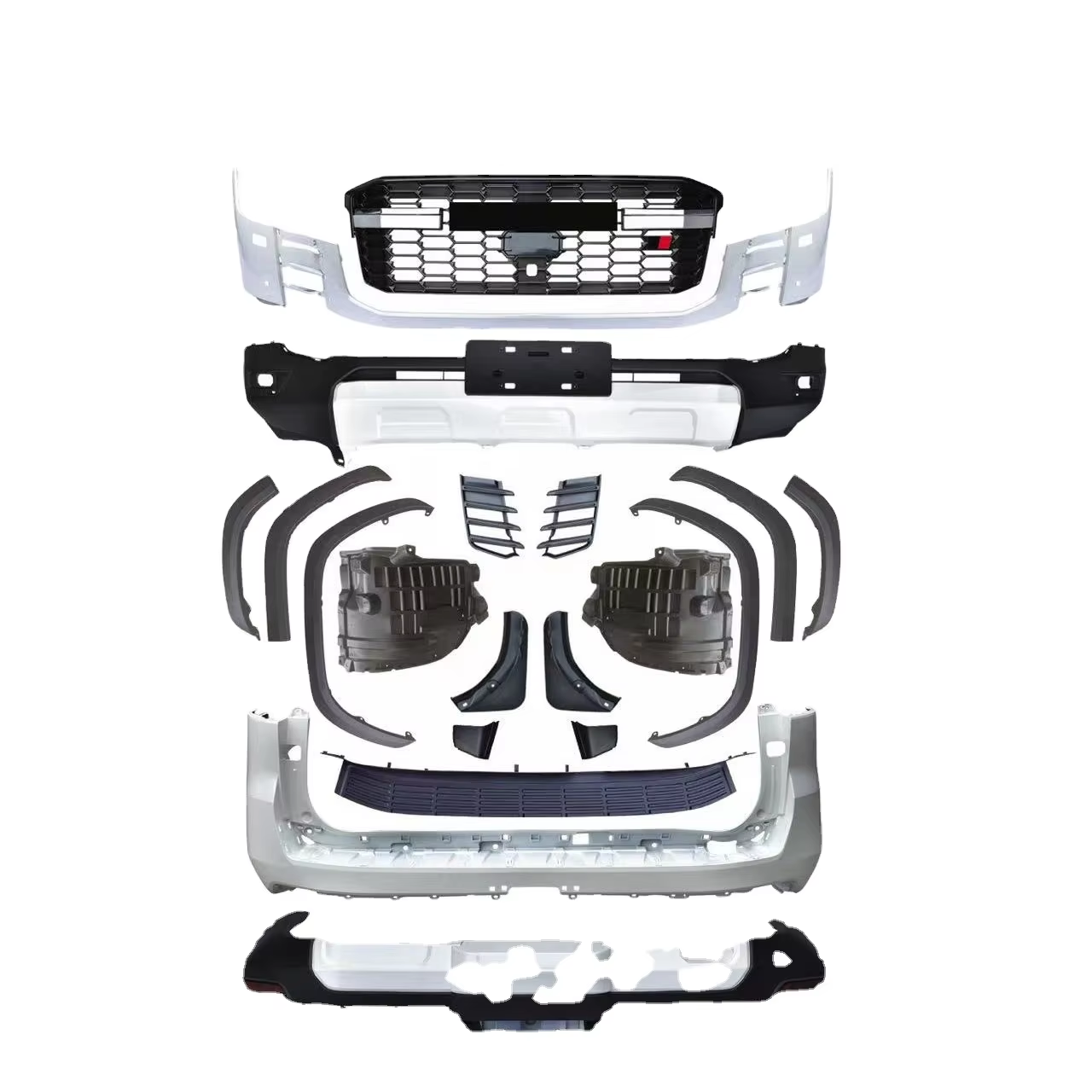
Land Cruiser 300 үшін тұрақты және сенімді қосымша бөлшектерді тауып алу үшін сапа, үйлесімділік пен ұзақ мерзімді өнімділікті теңестіретін стратегиялық тәсіл қажет. Алдыңғы Lexus 570 платформасынан айырмашылығы, LC300 жаңа архитектурасы мен дамып келе жатқан қосымша нарығына байланысты өзіндік тауып алу қиындықтарын туғызады. Бұл платформаның нақты талаптарын түсіну — қатал жұмыс жағдайларында шыдай алатын және жұмыс істеу сенімділігін сақтайтын бөлшектерді талап ететін сатып алу мамандары мен парк басқарушылары үшін маңызды.
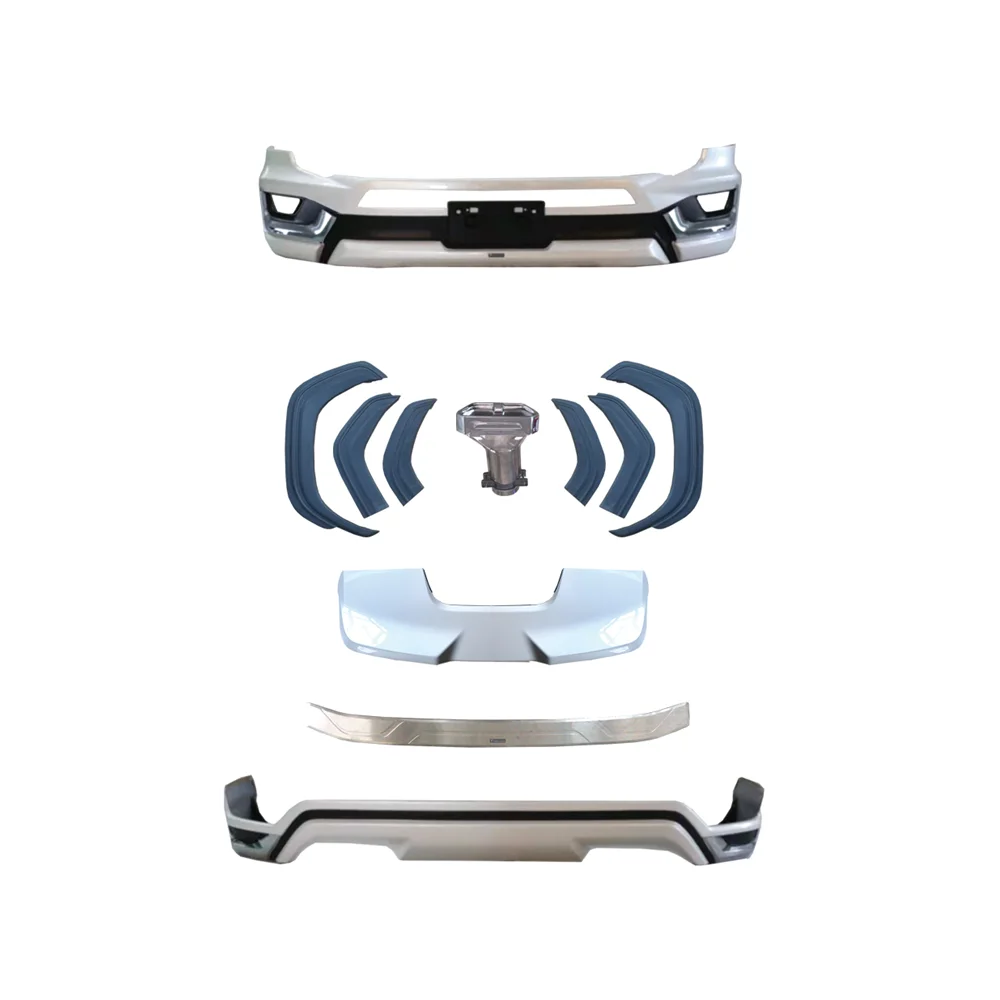
Lexus 570 буынынан Land Cruiser 300-ға өту қосымша бөлшектерді сатып алу саласындағы жағдайды түбегейлі өзгертті. Бұл жаңа платформа кеңістіктік дәлдіктердің қатаңдауы, жоғары деңгейдегі материалдардың қолданылуы және интеграциялау талаптарының күшейуі ескерілетін күрделі сатып алу стратегияларын талап етеді. LC300 үшін қосымша бөлшектерді сатып алу сәтті болу үшін тараптардың қабілеттерін бағалау, материалдардың техникалық сипаттамаларын түсіну және әртүрлі жұмыс ортасында тұрақты жұмыс істеуін қамтамасыз ететін сапа бақылау протоколдарын енгізу қажет.
Land Cruiser 300 үшін қосымша бөлшектердің талаптарын түсіну
Платформаға арналған инженерлік ескертулер
Land Cruiser 300 архитектурасы құрылымдық жобалау мен компоненттерді интеграциялау тұрғысынан Lexus 570-тен қатты ерекшеленеді. Таңдалған бөлшектер Land Cruiser 300-дің алғы қатарлы кузов құрылысына сәйкес келуі тиіс, ол белгілі аймақтарда жоғары беріктіктегі болат пен алюминий компоненттерін қолданады. Кузов панельдерін, орнату кронштейндерін және кузовдың бүтіндігін сақтайтын қосымша құрылымдық күшейтпелерді таңдаған кезде осы материалдардың ауысуын түсіну өте маңызды.
Land Cruiser 300 үшін инженерлік сипаттамалар қатаң өлшемдік дәлдікті және Lexus 570 платформасы үшін қажеттілерден асып түсетін материалдық қасиеттерді талап етеді. Таңдалған бөлшектерді жасайтын тәжірибелі тұтынушылар өзінің сапа басқару жүйелерін құжаттап және өндірістік мүмкіндіктерін дәлелдеп, осы кеңейтілген талаптарға сай келетінін көрсетуі тиіс. Тәжірибелі тұтынушыларды таңдау процесінде олардың инженерлік ресурстарын және Land Cruiser 300-ге тән нақты талаптарды түсіну деңгейін тексеру қажет.
Land Cruiser 300-дің алғыңғы электрондық жүйелері мен қауіпсіздік функциялары арқасында интеграция күрделілігі әлдеқайда артады. Бұл жүйелермен өзара әрекеттесетін қосымша бөлшектер үшін платформаның электрлік архитектурасын түсінетін және қолданыстағы автокөлік желілерімен сәйкестікті қамтамасыз ете алатын тәжірибелі тәрбиешілер қажет. Бұл техникалық талап тек қарапайым механикалық орнату шегінен асып, электрондық растау мен жүйелерді интеграциялауға арналған сынақтарға дейін жетеді.
Материалдардың беріктік стандарттары
Land Cruiser 300 үшін қосымша бөлшектерге қойылатын тұрақтылық талаптары көліктің қиын жағдайларда пайдаланылуына байланысты әдеттегі автомобильдік стандарттардан асады. Lexus 570 негізінен люкс саласында қолданылғанымен, LC300 шөлдің ыстығында, таудың суықтығында және биік таулы аймақтарда надежді жұмыс істеуі тиіс. Қосымша бөлшектер қажетті материалдарды таңдау мен беттік өңдеу арқылы осындай жағдайларға төзімділікті көрсетуі тиіс.
Материалдың техникалық сипаттамаларына коррозияға төзімділікті сынау, жылу циклы бойынша растау және соққыға төзімділікті тексеру кіруі тиіс. Тұтынушылар өз материалдарының OEM-нің орташа шарттарға ұшырауға қатысты талаптарын қанағаттандыратынын немесе олардан асып түсетінін көрсететін құжаттаманы ұсынуға тиіс. Сатып алу процесінде өндіріс сериялары бойынша сапаның тұрақтылығын қамтамасыз ететін және ұзақ мерзімді жұмыс істеу көрсеткіштерін бақылауға мүмкіндік беретін материалдың іздегіштігі талаптары қамтылуы тиіс.
Land Cruiser 300 үшін дайындалған қосымша бөлшектерге қойылатын беттің өңделуі мен сырлау талаптары Lexus 570 компоненттеріне қойылатын талаптардан жоғары болады, себебі LC300 қолданылуы кезінде беттердің әсерге ұшырауы күтіледі. Цинкпен сырлау, порошокты сырлау және анодтау талаптары LC300 қолданылуы үшін күтілетін ұзақ қызмет ету мерзімін ескере отырып белгіленуі тиіс. Сатып алу шешімдері LC300 қолданылуы үшін алдыңғы қатарлы беттің өңделу технологиялары мен сапа бақылау процестерінде мамандығын көрсететін тұтынушыларды басымдықпен қарастыруға тиіс.
Жеткізушілерді бағалау және таңдау критерийлері
Өндірістік мүмкіндіктерді бағалау
Land Cruiser 300 үшін қосымша бөлшектердің өндіріс мүмкіндіктерін бағалау үшін тәрбиелік жеткізушілердің өндірістік жүйелері мен сапа бақылауын толық бағалау қажет. Жеткізушілер өндіріс сериялары бойынша өлшемдік дәлдікті тұрақты сақтау қабілетін көрсетуі тиіс, сонымен қатар Lexus 570 компоненттеріне қарағанда қатаңырақ допустималық шектерді қанағаттандыруы керек. Бұл бағалау құрылыс аудитін, жабдықтардың қабілетін зерттеуді және процестерді растауға арналған құжаттаманы қамтиды.
Ұзақ мерзімді сенімділік талап ететін қосымша бөлшектерді сатып алу кезінде сапа басқару жүйелері маңызды орын алады. Жеткізушілер ISO сертификатын сақтауы және өнім сапасын тұрақты қамтамасыз ететін үнемі жақсарту процестерін көрсетуі тиіс. Бағалау процесі жеткізушілердің сапа көрсеткіштерін, тұтынушылардың пікірлерін және түзетуші іс-шараларға оперативті реакция беру қабілетін қарастыруды қамтиды, нәтижесінде Land Cruiser 300 үшін қатаң талаптарды қанағаттандыра алатын серіктестерді анықтауға болады.
Өндіріс қуаты мен масштабтау мүмкіндігіне қатысты ескертулер ұзақ мерзімді кезеңде әртүрлі мөлшерде тапсырыс берілетін салыстырмалы бөлшектерді сатып алу шешімдерін әсер етеді. Тараптар сұраныс тербелістеріне байланысты өндірісті кеңейту немесе қысу кезінде тұрақты сапаны қамтамасыз ете алатынын көрсетуі тиіс. Бұл икемділік маусымдық сұраныс тербелістері немесе жобаға сай санымен анықталатын салыстырмалы бөлшектер үшін ерекше маңызды болып табылады.
Техникалық біліктілікті растау
Техникалық біліктілікті растау негізгі өндірістік қабілеттен асып түседі және инженерлік қолдау мен проблемаларды шешу қабілетіне дейін жетеді. Land Cruiser 300 үшін салыстырмалы бөлшектерді өндіретін тараптар автомобильдік инженерлік принциптерін түсінуін және дизайн мен дамыту процесі кезінде техникалық бағыт-бағдар беру қабілетін көрсетуі тиіс. Бұл біліктілік жоғары жүйелік күрделілік себебінен қарапайым Lexus 570 қолданбалары үшін қажетті біліктіліктен ерекшеленеді.
Құрамдас бөлшектердің тапсырыс бойынша әзірлеу жобаларын басқарған кезде құжаттамалау мен байланыс мүмкіндіктері сатып алушы мен тәрбиешілер топтары арасындағы үздіксіз ынтымақтастықты қамтамасыз ету үшін маңызды болып табылады. Тәрбиешілер қатысуы тиіс: толық техникалық құжаттама, жұмыс жүрісі туралы есептер және тиімді жоба басқаруын қолдайтын техникалық байланыс қабілетін көрсету. Тәрбиешілерді таңдау процесі тәрбиешілердің байланыс жүйелері мен жоба басқару деңгейін бағалауға тиіс.
Тәрбиешілердің прототиптеу және сынақ жүргізу мүмкіндіктері оларға толық өндіріске кіріспес бұрын құрамдас бөлшектердің тапсырыс бойынша жобаларын растауға мүмкіндік береді. Land Cruiser 300 қолданыстары жиі Lexus 570-тің типтік пайдалану үлгілеріне қарағанда қатаң жұмыс талаптарына байланысты кеңінен сынақтан өткізуді талап етеді. Тәрбиешілер немесе олардың қол жетімділігінде осы бөлшектердің қосымша экологиялық және жұмыс жағдайларындағы өнімділігін растайтын сынақ орындары болуы тиіс.
Сапаны қамтамасыз ету және сынау хаттамалары
Келіп түскен тауарларды тексеру талаптары
Land Cruiser 300 үшін арнайы жасалған бөлшектердің келген өнімдерді тексеру протоколдары осы компоненттердің қиын шарттарда қолданылуындағы маңыздылығын ескеруі тиіс. Операциялық талаптары салыстырмалы түрде жеңіл болуы мүмкін стандартты Lexus 570 бөлшектерінен айырмашылығы неде, LC300 компоненттері өлшемдік тексерудің толық көлемін, материалдың қасиеттерін растауды және беттің сапасын бағалауды талап етеді. Тексеру процедураларына статистикалық таңдама және маңызды сипаттамалар бойынша 100% тексеру кіруі тиіс.
Өлшеу мен сынау құрал-жабдықтары Land Cruiser 300 техникалық сипаттамаларына сәйкестікті растау үшін жеткілікті дәлдік пен қайталанғыштық қамтамасыз етуі тиіс. Тексеру протоколдары өлшеу құралдары үшін калибрлеу талаптарын және тексеру нәтижелерінің ізденімпаздығын қамтамасыз ететін құжаттама стандарттарын қамтуы тиіс. Сапаны қамтамасыз ету процесі сапасы төмен бөлшектердің пайдалануға түсуін болдырмау үшін анық қабылдау критерийлері мен жарамсыз деп танылатын бөлшектерді шығару протоколдарын орнатуы тиіс.
Кіріс бақылауы үшін құжаттама талаптары ұзақ мерзімді сапа бақылауын және тәрбиелік қамтамасыз етушілердің өнімдерін бағалауды қолдауы тиіс. Құжаттама партияның іздегіштігі туралы ақпаратты, бақылау нәтижелерін және бақылау процесі кезінде анықталған кез келген сәйкессіздік мәселелерін қамтуы тиіс. Бұл құжаттама сапа бағыттарын анықтау үшін маңызды болып табылады және барлық бөлшектердің сапасы мен сенімділігін жақсартатын тәрбиелік қамтамасыз етушілерді дамыту шараларын қолдайды.
Мекенжайдағы жұмыс нәтижелерін тексеру
Салауатты жұмыс істеуін растау Land Cruiser 300 автокөлігінің нақты жұмыс істеу жағдайларында қосымша бөлшектердің тұрақтылығы мен сенімділігінің соңғы сынағы болып табылады. Растау бағдарламалары әдетте кездесетін әртүрлі жұмыс ортасы мен пайдалану үлгілері бойынша бөлшектердің жұмысын бақылауды қамтуы тиіс, олар lexus 570 және LC300 қолданыстарын ұсынады. Бұл нақты әлемдегі сынақтар зертханалық сынақтар қайталауы мүмкін емес көрсеткіштер береді және тауарларды сатып алу шешімдерін растайды.
Жұмыс істеу көрсеткіштерін бақылау жүйелері бөлшектердің ақаулық пайда болу жиілігін, жөндеу талаптарын және әртүрлі жұмыс жағдайларындағы пайдаланушылардың қанағаттану деңгейін қадағалауы тиіс. Деректерді жинау кезінде бөлшектердің жұмыс сапасына әсер ететін орта факторлары, пайдалану интенсивтілігі және жөндеу тәжірибелері қамтылуы тиіс. Бұл ақпарат сатып алу критерийлері мен тұтынушылардың жұмыс сапасына қойылатын талаптарын үздіксіз жақсартуға көмектеседі.
Кері байланыс механизмдері өндірістегі жұмыс нәтижелерінен көрсеткіштерді жинауы және осы ақпаратты тұтынушылардың дамуы бойынша нақты іс-шараларға айналдыруы тиіс. Регулярлық жұмыс көрсеткіштерін бағалау кезінде өндірістегі деректерді талдау, жақсарту мүмкіндіктерін анықтау және жұмыс көрсеткіштері бойынша туындаған мәселелерді шешу үшін тұтынушылармен ынтымақтастық негізінде проблемаларды шешу қамтылуы тиіс. Бұл үздіксіз растау процесі сатып алу шешімдерінің Land Cruiser 300 қолданбалары үшін қажетті сенімділікті қамтамасыз етуді жалғастыруын қамтамасыз етеді.
Шығындарды Оптимизациялау және Құндылықты Инженериялау
Анализ общих затрат на владение
Land Cruiser 300 үшін қосымша бөлшектердің иелену жалпы құны тұрақты сатып алу құнынан тыс, орнату шығындарын, қызмет көрсету талаптарын және күтілетін қызмет ету мерзімін қамтиды. Қарапайым Lexus 570 қолданбаларынан айырмашылығы, LC300 бөлшектері ұзақ мерзімді шығындарға әсер ететін қиын жағдайларда жұмыс істейді, егер бастапқы сатып алу шешімдері төзімділіктен гөрі бағаны басымдыққа алса. Толық құн талдауы осы жұмыс істеу ерекшеліктерін ескеруі тиіс.
Жұмыс істеу циклы бойынша құндылық модельдеу бөлшек ауыстыру аралығы, қызмет көрсету шығындары және бөлшек ақауларына байланысты тоқтату шығындары туралы нақты болжамдарды қамтуы тиіс. Бұл талдау шектеулі қолжетімділігі бар немесе арнайы орнату процедураларын талап ететін қосымша бөлшектер үшін ерекше маңызды болып табылады. Сатып алу процесі бастапқы ең төмен баға емес, иеленудің жалпы құнын азайтатын тәжірибелі тұтынушыларды басымдыққа алуы тиіс.
Қауіп бағалауы Land Cruiser 300 автокөліктерінің әдетте жұмыс істейтін алыстағы немесе маңызды қолданыс салаларында бөлшектердің ақауға ұшырауымен байланысты потенциалды шығындарды ескеруі тиіс. Бұл шығындарға авариялық жөндеулер, автокөліктің қалпына келтірілуі, миссияның кешігуі және қауіпсіздікке әсер ететін факторлар кіреді; олар премиум-сапалы бөлшектердің құнынан әлдеқайда жоғары болуы мүмкін. Жабдықтаушыларды таңдау шешімдерін қабылдаған кезде қауіпті азайту стратегияларын қамту қажет, яғни жоғары сапалы компоненттер мен сенімді жабдықтаушыларға инвестициялардың тиімділігін негіздеу керек.
Құнды инженерлік мүмкіндіктер
Құндылық инженерлігі мүмкіндіктері жабдықтаушылар Land Cruiser 300 автокөліктерінің қолданысын терең түсінген жағдайда пайда болады және олар өнімнің өнімділігін арттыру мен шығындарды бақылауды қамтитын конструкциялық немесе материалдық жақсартулар ұсына алады. Техникалық білікті жабдықтаушылармен ынтымақтастық қарым-қатынас орындалған жағдайда, бастапқы жабдықтардың конструкциясын жақсартатын немесе дәлелденген Lexus 570 шешімдерін LC300 талаптарына сәйкес қайта жасайтын жаңалықтар құрылуы мүмкін. Бұл серіктестіктер бір ғана бөлшек сатып алу шегінен асып, қосымша құндылық құрады.
Материалдарды оптимизациялау — тұтынушылар қажеттіліктерін қанағаттандыратын немесе олардан асып түсетін, бірақ төмен құнға ие болатын альтернативті материалдар мен өндіріс процестерін ұсына алатын жағдайда құн құру үшін маңызды мүмкіндік болып табылады. Жетілдірілген материалдар технологиясы мен өндіріс процестері әрі қарай дамып келеді, сондықтан сапаны төмендетпей-ақ құндылықты азайтуға мүмкіндік береді. Тауарларды сатып алу процесі материалдар мен өндіріс процестерін жақсарту бойынша жеткізушілердің ұсыныстарын ынталандыруы тиіс.
Жеткізушілермен өткізілетін конструкцияны оптимизациялау бойынша талқылаулар бірлескен инженерлік жұмыстар арқылы бөлшектің қызмет етуін жақсарту, салмағын азайту немесе тұрақтылығын арттыру мүмкіндіктерін анықтауға мүмкіндік береді. Land Cruiser 300 қолданбаларының техникалық талаптары мен операциялық шектеулерін терең түсінетін жеткізушілер жалпы құндылық ұсынысын жақсартуға құнды көзқарастарын ұсына алады. Бұл бірлескен қатынастар жеткізушілердің сәйкес инженерлік қабілеттері мен үнемі жақсартуға деген ұмтылысын талап етеді.
Тізбекті басқару және логистика
Алма-шаруашылық стратегиялары
Land Cruiser 300 үшін қосымша бөлшектердің қорларын басқару — бұл бөлшектердің стандартты Lexus 570 компоненттеріне қарағанда ұзағырақ жеткізу мерзімін ескере отырып, қолжетімділік талаптары мен сақтау шығындарын теңестіруді қажет етеді. Стратегиялық қор орналасуын анықтаған кезде бөлшектердің пайдалану сипаты, жеткізушілердің жеткізу мерзімдері және нақты бөлшектердің көлік құралдарының қолжетімділігін сақтаудағы маңыздылығы ескерілуі тиіс. Қорларды басқару стратегиялары LC300-ге арналған қосымша нарықтың даму сипатын және мүмкін болатын ескіру қаупін де ескеруі тиіс.
Land Cruiser 300 үшін қосымша бөлшектерге сұранысты болжау тарихи деректердің шектеулі болуы мен Land Cruiser 300 қолданыстарының мамандандырылған сипатына байланысты күрделенеді. Болжау модельдері көлік құралдарының санының өсуі, пайдалану интенсивтілігі және бөлшектердің тұтыну қарқынын әсер ететін экологиялық факторлар сияқты факторларды ескеруі тиіс. Жеткізушілермен ынтымақтастықта жоспарлау болжаудың дәлдігін жақсартады және тізбектегі қорларды басқаруды тиімдірек етеді.
Қауіпсіздік қорын басқару стратегиялары Land Cruiser 300 қолданбаларындағы кейбір дәстүрлі емес бөлшектердің маңыздылығын және олардың қоры таусылған жағдайда туындайтын салдарларды ескеруі тиіс. Альтернативті бөлшектердің оңай қолжетімді болуы мүмкін болатын типтік Lexus 570 қолданбаларынан айырмашылығы, LC300 дәстүрлі емес бөлшектерінің жиі қолданылатын тікелей алмастырғыштары болмайды. Қауіпсіздік қорының деңгейлері осы нақты жағдайды ескере отырып, сақтау шығындарының әсері мен тәрбиелік тұрақтылығын ескере отырып белгіленуі тиіс.
Әлемдік тауар алу ерекшеліктері
Land Cruiser 300 дәстүрлі емес бөлшектерін әлемдік деңгейде сатып алу стандартты Lexus 570 компоненттеріне қарағанда сапаны бақылау, логистика және нормативтік сәйкестік бойынша күрделіліктерге әкеледі. Халықаралық тәрбиеліктердің географиялық қашықтықтар мен мәдени айырмашылықтар арқылы тұрақты сапаны қамтамасыз ету қабілетін және жеткізу уақытына сәйкес келуін көрсетуі тиіс. Жеткізушілер тізбегінің қауіп-қатерін бағалауға геосаяси факторлар мен табиғи апаттар қаупін қосу керек, өйткені олар жеткізудің үзіліссіздігін бұзуы мүмкін.
Реттеуші сәйкестік халықаралық деңгейде қосымша бөлшектерді сатып алу кезінде, әсіресе автомобильдің қауіпсіздігіне немесе шығарылатын зиянды заттардың көлеміне әсер ететін компоненттер үшін барынша маңызды болып табылады. Тәрбиелік құрылғылар қолданыстағы нормативтік талаптарды түсінуін және оларға сәйкес өнімдерді тиісті құжаттамамен қамтамасыз ету қабілетін көрсетуі тиіс. Сатып алу процесіне тәрбиелік құрылғылардың реттеуші сәйкестігін тексеру мен олардың қабілетін бақылау жүйесін қамту керек.
Валюта және сауда факторлары қосымша бөлшектерді халықаралық деңгейде сатып алу шешімдерінің жалпы құны мен тәуекел деңгейіне әсер етеді. Ұзақ мерзімді тәрбиелік құрылғылармен қатынас орнату үшін валюталық тербелістерді және бөлшек жеткізу немесе бағаларға әсер етуі мүмкін сауда бұзылуларын басқару стратегияларын қажет етеді. Бұл факторлар шектеулі альтернативті жеткізу нұсқалары бар және дамытуға ұзақ уақыт кететін маңызды қосымша бөлшектер үшін ерекше маңызды болып табылады.
Жиі қойылатын сұрақтар
Land Cruiser 300 және Lexus 570 платформалары үшін бөлшектерді сатып алу арасындағы негізгі айырмашылықтар қандай?
Land Cruiser 300 үшін бөлшектерді сатып алу үшін күрделірек стратегиялар қажет, себебі ол кеңінен қолданылатын материалдарды, тесіктердің тұрақтылығын қатаң қадағалауды және күрделі электронды интеграциялау талаптарын қажет етеді. Lexus 570-ге қарағанда LC300 платформасына қызмет көрсету үшін техникалық мүмкіндіктері жоғары және сапа жүйелері күшейтілген тәжірибелі тұтынушыларды талап етеді, олар платформаның қатаң жұмыс істеу талаптары мен ұзақ мерзімді пайдалану мерзімін қамтамасыз етуге тиіс.
Land Cruiser 300 қолданбалары үшін қосымша бөлшектерді сатып алу кезінде тұтынушының орналасуы қандай маңызға ие?
Тұтынушының орналасуы жеткізу мерзімдеріне, логистикалық шығындарға және сапаны бақылау мүмкіндіктеріне әсер етеді, бірақ бұл таңдау критерийлерінің негізгісі болмауы керек. Ең маңызды факторлар — техникалық біліктілік, сапа жүйелері және жеткізу сенімділігі. Дегенмен, жақын орналасу ынтымақтастықта дамыту жобаларын жүзеге асыруға және сатып алу процесінде туындауы мүмкін сапа мәселелеріне жедел реакция беруге артықшылық береді.
Land Cruiser 300 үшін қосымша бөлшектерді жеткізушілерден қандай сынақтар мен растаулар талап етілуі керек?
Жеткізушілер толық материалдық сынақтар, өлшемдік тексеру, ортаға төзімділікті растау және тұрақтылық сынақтары туралы құжаттама ұсынуы керек. Сынақ протоколдары стандартты Lexus 570 талаптарынан асып түсуі керек және Land Cruiser 300 автокөліктерінің қатал жағдайларында жұмыс істеуіне сәйкес термиялық циклдау, коррозияға төзімділік және соққыға төзімділік сынақтарын қамтуы керек. Мүмкіндігінше, өрістегі растау сынақтары да қосылуы керек.
Сатып алушылар Land Cruiser 300 қолданбалары үшін қосымша бөлшектердің ұзақ мерзімді қолжетімділігін қалай қамтамасыз ете алады?
Ұзақ мерзімді қолжетімділік Land Cruiser 300 нарығына қатысуға дайын, сондай-ақ өндірістің үздіксіз жалғасуын қамтамасыз ету үшін техникалық және қаржылық тұрақтылыққа ие тәрбиелік тәртіпке ие тәрбиелік тәртіпке ие тәрбиелік тәртіпке ие тәрбиелік тәртіпке ие тәрбиелік тәртіпке ие тәрбиелік тәртіпке ие тәрбиелік тәртіпке ие тәрбиелік тәртіпке ие тәрбиелік тәртіпке ие тәрбиелік тәртіпке ие тәрбиелік тәртіпке ие тәрбиелік тәртіпке ие тәрбиелік тәртіпке ие тәрбиелік тәртіпке ие тәрбиелік тәртіпке ие тәрбиелік тәртіпке ие тәрбиелік тәртіпке ие тәрбиелік тәртіпке ие тәрбиелік тәртіпке ие тәрбиелік тәртіпке ие тәрбиелік тәртіпке ие тәрбиелік тәртіпке ие тәрбиелік тәртіпке ие тәрбиелік тәртіпке ие тәрбиелік тәртіпке ие тәрбиелік тәртіпке ие тәрбиелік тәртіпке ие тәрбиелік тәртіпке ие тәрбиелік тәртіпке ие тәрбиелік тәртіпке ие тәрбиелік тәртіпке ие тәрбиелік тәртіпке ие......
Мазмұны
- Land Cruiser 300 үшін қосымша бөлшектердің талаптарын түсіну
- Жеткізушілерді бағалау және таңдау критерийлері
- Сапаны қамтамасыз ету және сынау хаттамалары
- Шығындарды Оптимизациялау және Құндылықты Инженериялау
- Тізбекті басқару және логистика
-
Жиі қойылатын сұрақтар
- Land Cruiser 300 және Lexus 570 платформалары үшін бөлшектерді сатып алу арасындағы негізгі айырмашылықтар қандай?
- Land Cruiser 300 қолданбалары үшін қосымша бөлшектерді сатып алу кезінде тұтынушының орналасуы қандай маңызға ие?
- Land Cruiser 300 үшін қосымша бөлшектерді жеткізушілерден қандай сынақтар мен растаулар талап етілуі керек?
- Сатып алушылар Land Cruiser 300 қолданбалары үшін қосымша бөлшектердің ұзақ мерзімді қолжетімділігін қалай қамтамасыз ете алады?