 EN
EN


The Rising Market Impact of LC200 Components in Global Supply Chains
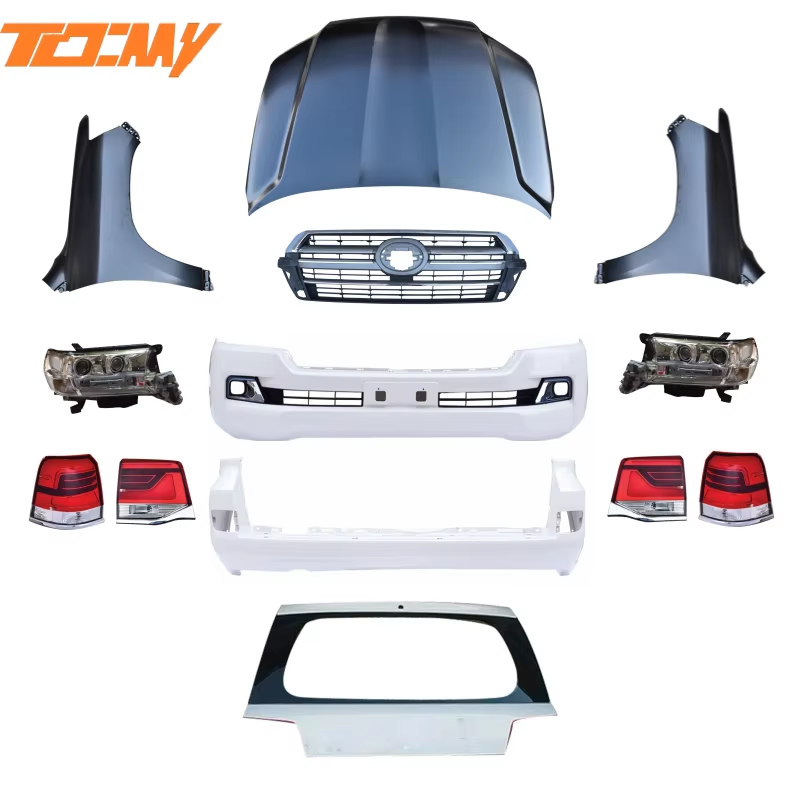
The automotive aftermarket sector has witnessed an unprecedented surge in demand for LC200 parts, creating new opportunities and challenges for B2B suppliers and distributors worldwide. This robust market movement reflects not only the vehicle's legendary status but also its widespread adoption across diverse industries and geographical regions. As supply chains evolve and market dynamics shift, understanding the factors driving this demand becomes crucial for industry stakeholders.
The increasing popularity of LC200 parts stems from their exceptional durability, versatility, and the vehicle's reputation as a reliable workhorse in both commercial and industrial applications. For B2B suppliers and distributors, this presents a unique opportunity to capitalize on a growing market while addressing the specific needs of their client base.
Market Dynamics Driving LC200 Parts Demand
Global Economic Factors
The surge in LC200 parts demand is closely tied to global economic trends and industrial growth. As developing markets expand their infrastructure and transportation needs, the requirement for reliable vehicle components has skyrocketed. B2B suppliers are experiencing increased orders from regions where these vehicles operate in challenging conditions, from mining operations to agricultural enterprises.
International trade relationships and supply chain developments have further amplified the importance of LC200 parts in the global market. With cross-border commerce becoming more streamlined, distributors are finding new opportunities to serve previously untapped markets, leading to enhanced business prospects and revenue streams.
Industry-Specific Requirements
Different sectors have unique needs when it comes to LC200 parts. The mining industry, for instance, requires heavy-duty components that can withstand extreme conditions, while commercial fleet operators focus on parts that ensure optimal vehicle uptime and performance. This diversity in demand has created specialized market segments that B2B suppliers can target with tailored offerings.
The agriculture and construction sectors have also emerged as significant consumers of LC200 parts, driven by the vehicle's reliability in challenging environments. These industries require regular maintenance and replacement parts to maintain their operations, creating a steady demand stream for suppliers.
Supply Chain Optimization Strategies
Inventory Management Excellence
Successful B2B suppliers have developed sophisticated inventory management systems to maintain optimal stock levels of LC200 parts. This involves using advanced analytics to predict demand patterns, implementing just-in-time delivery systems, and establishing strong relationships with manufacturers to ensure consistent supply.
Smart warehousing solutions and digital inventory tracking have become essential tools for distributors handling LC200 parts. These technologies enable better stock rotation, reduced holding costs, and improved fulfillment accuracy, ultimately leading to higher customer satisfaction and operational efficiency.
Distribution Network Enhancement
To meet the growing demand for LC200 parts, suppliers are expanding and optimizing their distribution networks. This includes establishing strategic warehouse locations, implementing efficient logistics systems, and developing partnerships with reliable transportation providers. The goal is to reduce delivery times while maintaining cost-effectiveness.
Modern distribution strategies also incorporate digital platforms that enable real-time tracking and automated reordering systems. These innovations help suppliers maintain competitive advantages while serving their customers more effectively.
Quality Assurance and Authentication
Certification Standards
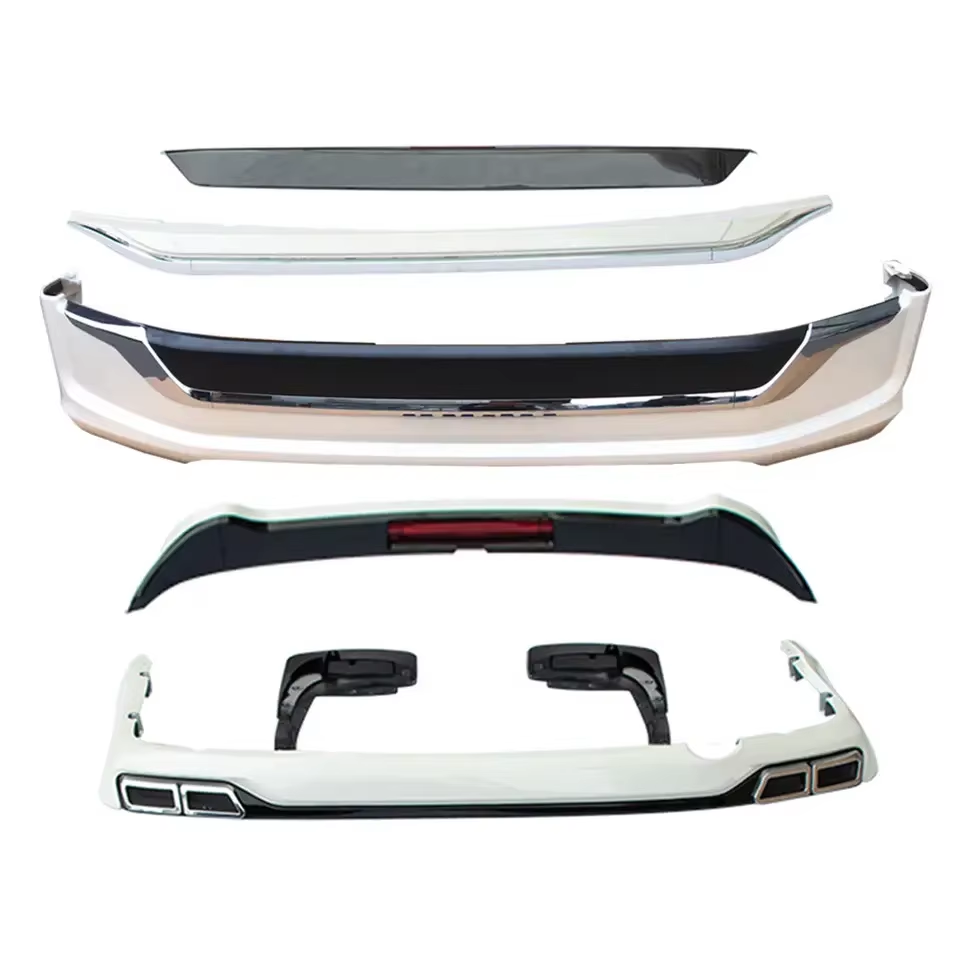
The market for LC200 parts has seen an increased focus on quality certification and authentication processes. B2B suppliers are implementing rigorous quality control measures to ensure that all parts meet or exceed OEM specifications. This commitment to quality helps maintain customer trust and reduces the risk of returns or warranty claims.
Industry-standard certifications and quality management systems have become crucial differentiators for successful suppliers. These credentials demonstrate commitment to excellence and help build long-term relationships with discerning customers.
Counterfeit Prevention
With the high demand for LC200 parts comes the challenge of preventing counterfeit products from entering the supply chain. Leading suppliers are investing in advanced authentication technologies, including QR codes, RFID tags, and blockchain solutions, to ensure product authenticity and traceability.
Educational initiatives aimed at helping customers identify genuine LC200 parts have become an important aspect of supplier services. This proactive approach helps protect both the supplier's reputation and the end user's interests.
Future Market Projections
Technological Innovations
The future of LC200 parts distribution is being shaped by technological advances in manufacturing and supply chain management. 3D printing, predictive maintenance algorithms, and Internet of Things (IoT) integration are creating new opportunities for suppliers to enhance their service offerings and operational efficiency.
Digital transformation initiatives are enabling suppliers to offer value-added services such as online ordering platforms, technical support, and predictive maintenance scheduling. These innovations help maintain competitive advantages in an evolving market.
Sustainability Considerations
Environmental consciousness is increasingly influencing the LC200 parts market. Suppliers are adopting sustainable practices in packaging, shipping, and recycling programs. This shift toward eco-friendly operations is not only beneficial for the environment but also appeals to environmentally conscious customers.
The focus on sustainability extends to the development of remanufactured and recycled LC200 parts, creating new market segments and business opportunities for forward-thinking suppliers.
Frequently Asked Questions
What makes LC200 parts different from other vehicle components?
LC200 parts are distinguished by their exceptional quality, durability, and compatibility with high-performance vehicles designed for challenging conditions. These components are manufactured to strict specifications, ensuring reliable performance and longevity in diverse operating environments.
How can suppliers ensure authentic LC200 parts sourcing?
Suppliers can ensure authenticity by working directly with authorized manufacturers, implementing robust verification systems, and maintaining detailed documentation of their supply chain. Regular audits and partnership with certified distributors also help maintain product integrity.
What are the key factors driving the increasing demand for LC200 parts?
The rising demand is driven by multiple factors, including global industrial growth, increased vehicle adoption in developing markets, the need for reliable components in harsh operating conditions, and the vehicle's reputation for durability and performance. Market expansion in sectors such as mining, agriculture, and construction also contributes significantly to this trend.