 EN
EN



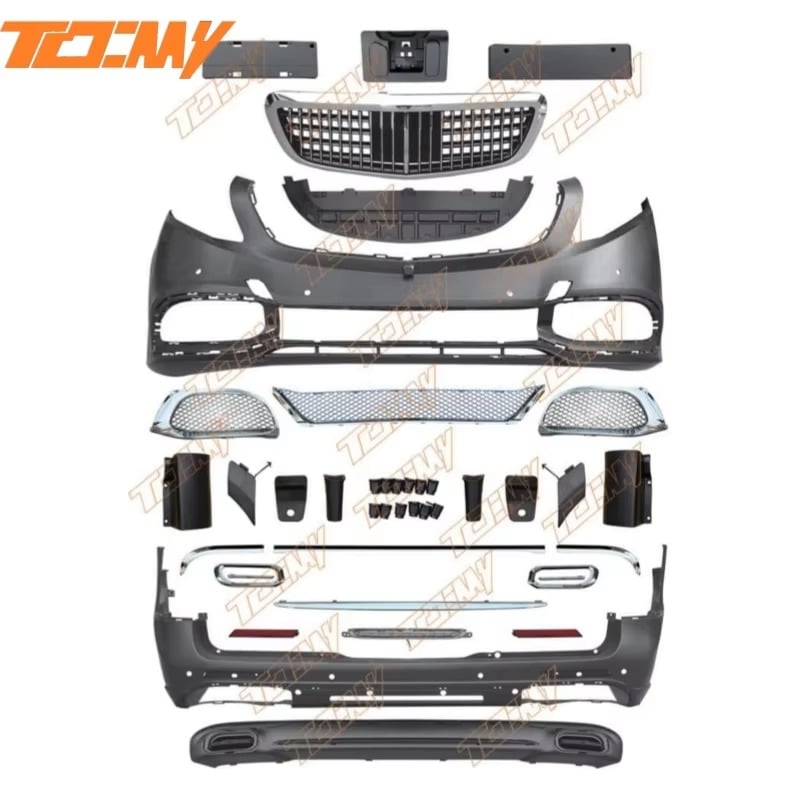
Custom car grills have emerged as a defining element in contemporary automotive design, transforming from functional components into powerful style statements that reflect vehicle personality and owner preferences. This shift represents a fundamental change in how automotive enthusiasts and manufacturers approach vehicle aesthetics, with grills now serving as the primary focal point for exterior customization across various vehicle categories including luxury SUVs like the lexus 570.
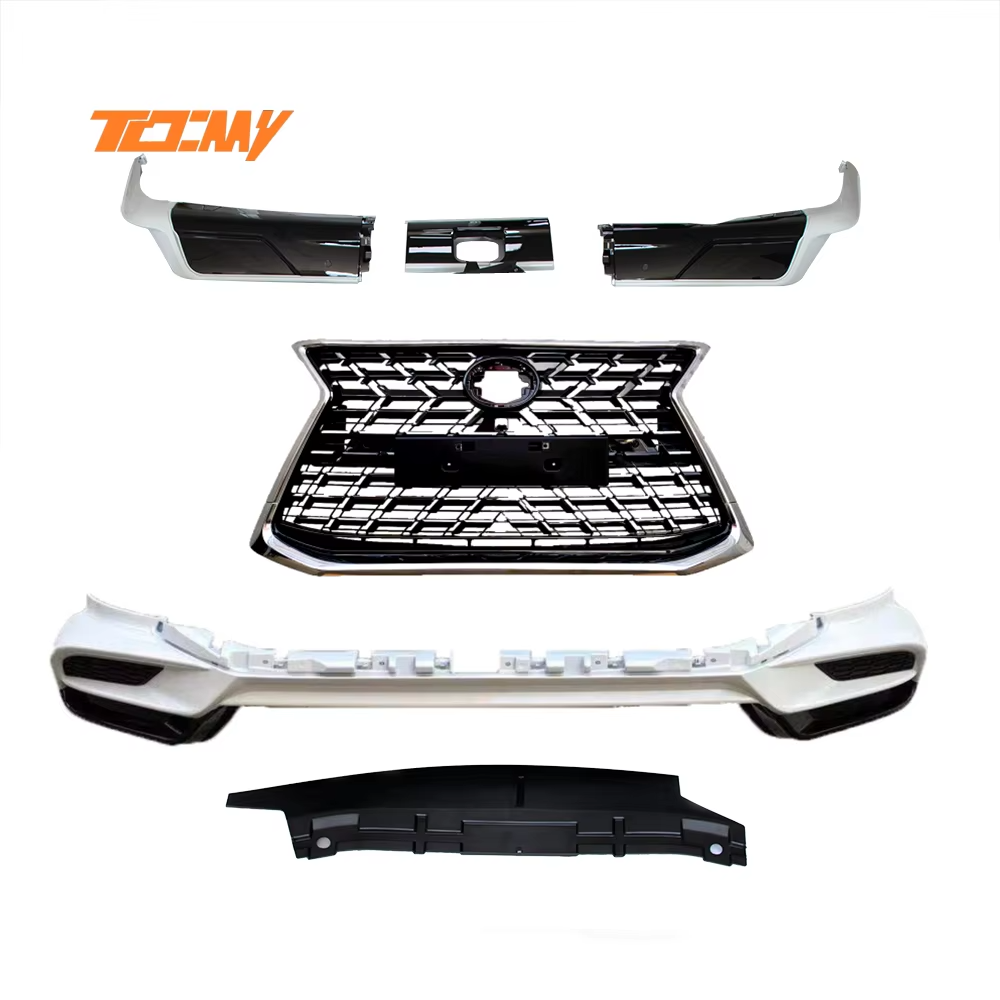
The automotive industry's growing emphasis on customization reflects deeper consumer desires for personalization and unique vehicle identity, particularly evident in premium segments where vehicles like the lexus 570 showcase sophisticated design integration. Modern car buyers increasingly view their vehicles as extensions of personal style, driving manufacturers and aftermarket suppliers to develop more innovative and distinctive grill designs that cater to diverse aesthetic preferences while maintaining functional requirements.
The Evolution of Automotive Front-End Design Philosophy
Historical Context and Design Progression
Automotive front grills have undergone dramatic transformation since the early days of motoring, evolving from purely functional radiator covers to sophisticated design elements that define brand identity. Early vehicles required substantial airflow for cooling systems, leading to large, utilitarian grill openings that prioritized function over form. However, as engine technology advanced and cooling requirements became more efficient, designers gained freedom to experiment with grill aesthetics.
The modern era has witnessed unprecedented creativity in grill design, with manufacturers recognizing these components as primary brand differentiators. Luxury vehicles like the lexus 570 exemplify this evolution, featuring carefully crafted front-end designs that balance aggressive styling with refined elegance. Contemporary grill designs incorporate complex geometries, premium materials, and integrated lighting elements that were unimaginable in earlier automotive generations.
This design evolution reflects broader changes in manufacturing capabilities, material science, and consumer expectations. Advanced manufacturing techniques enable complex shapes and patterns that would have been impossible or prohibitively expensive in previous decades, while new materials offer enhanced durability and aesthetic possibilities for custom applications.
Brand Identity and Market Differentiation
Custom grills serve as powerful brand identification tools, creating instant recognition and emotional connection between vehicles and consumers. Leading automotive brands invest substantial resources in developing distinctive grill signatures that become synonymous with their design language and brand values. The lexus 570 demonstrates this principle through its sophisticated spindle grill design that immediately identifies the vehicle's luxury positioning and technological advancement.
Market differentiation through grill design extends beyond manufacturer offerings to encompass extensive aftermarket customization options. Vehicle owners increasingly seek unique modifications that distinguish their vehicles from standard factory configurations, driving demand for custom grill solutions that reflect personal taste and style preferences. This trend has created a thriving ecosystem of specialized manufacturers and designers focused on creating distinctive front-end styling solutions.
The competitive landscape requires manufacturers to continuously innovate grill designs while maintaining brand consistency and functional performance. Successful designs must balance aesthetic appeal with practical considerations including aerodynamics, cooling efficiency, and regulatory compliance, creating complex design challenges that push creative boundaries.
Consumer Demand Drivers and Market Dynamics
Personalization and Individual Expression
Contemporary vehicle ownership extends far beyond transportation functionality, with consumers viewing automobiles as personal expression platforms that communicate individual style and preferences. Custom grills provide accessible entry points for vehicle personalization without requiring extensive mechanical modifications or substantial financial investment. This accessibility makes grill customization particularly attractive to enthusiasts seeking immediate visual impact and enhanced vehicle presence.
The desire for uniqueness drives significant market demand for custom grill options across vehicle categories, from compact cars to full-size SUVs like the lexus 570. Social media influence amplifies this trend, with vehicle modifications frequently shared across digital platforms, creating viral inspiration for others seeking similar customization approaches. This digital exposure creates continuous demand cycles as new designs gain popularity and influence purchasing decisions.
Professional automotive stylists recognize grills as cost-effective modification focal points that can dramatically transform vehicle appearance without compromising functionality or warranty coverage in many cases. This recognition has led to increased collaboration between manufacturers and aftermarket suppliers to develop compatible customization solutions that meet both aesthetic and performance requirements.
Technology Integration and Functionality
Modern custom grill designs increasingly incorporate advanced technologies that enhance both form and function, reflecting broader automotive industry trends toward integrated systems and smart components. LED lighting integration has become particularly popular, allowing for dynamic lighting patterns and improved visibility while creating distinctive visual signatures. Vehicles like the lexus 570 often feature sophisticated lighting systems that can be enhanced through custom grill modifications.
Sensor integration presents both opportunities and challenges for custom grill applications, as many modern vehicles rely on front-mounted sensors for advanced driver assistance systems. Successful custom designs must accommodate these technological requirements while maintaining aesthetic appeal and ensuring proper sensor function. This technical complexity requires careful engineering and compatibility testing to prevent interference with vehicle safety systems.
Active grill shutters and adaptive airflow management systems represent emerging technologies that custom grill designers must consider in their development processes. These systems optimize aerodynamic performance and engine cooling based on driving conditions, requiring custom solutions that maintain compatibility with manufacturer-designed functionality while providing desired aesthetic enhancements.
Manufacturing Innovation and Design Capabilities
Advanced Materials and Production Techniques
The custom grill industry benefits from significant advances in materials science and manufacturing technologies that enable previously impossible designs and improved performance characteristics. Carbon fiber, advanced polymers, and lightweight alloys provide designers with expanded material palettes that offer superior strength-to-weight ratios while enabling complex geometries and surface finishes.
Additive manufacturing technologies, including 3D printing, have revolutionized custom grill production by enabling rapid prototyping and small-batch production runs that were economically unfeasible using traditional manufacturing methods. These technologies allow for highly customized designs tailored to specific vehicle models like the lexus 570 while maintaining cost-effectiveness for limited production runs.
Computer-aided design tools enable precise engineering and simulation capabilities that ensure custom grills meet performance requirements while achieving desired aesthetic goals. Advanced modeling software allows designers to optimize airflow patterns, structural integrity, and visual impact before physical production, reducing development costs and improving final product quality.
Quality Standards and Performance Requirements
Custom grill manufacturers must meet stringent quality standards that ensure compatibility with original vehicle systems while providing long-term durability and performance. These standards encompass material specifications, dimensional tolerances, and environmental resistance requirements that match or exceed original equipment manufacturer specifications. Vehicles like the lexus 570 require particularly high-quality components that maintain the vehicle's premium positioning and reliability expectations.
Aerodynamic performance represents a critical consideration in custom grill design, as modifications can significantly impact fuel efficiency, engine cooling, and high-speed stability. Professional designers utilize computational fluid dynamics analysis to optimize airflow patterns and ensure custom designs maintain or improve upon original vehicle performance characteristics. This technical rigor distinguishes professional custom solutions from purely aesthetic modifications.
Regulatory compliance ensures custom grills meet applicable safety and environmental standards across different markets and jurisdictions. These requirements encompass crash safety, pedestrian protection, and emissions regulations that vary by region but must be considered in design development processes. Successful manufacturers develop compliance expertise that enables global market access while maintaining design flexibility.
Market Impact and Industry Trends
Economic Significance and Growth Patterns
The custom automotive styling market, particularly the grill segment, represents significant economic activity that extends across manufacturing, retail, and installation sectors. Market research indicates sustained growth in automotive customization spending, driven by increased disposable income among target demographics and growing acceptance of vehicle modification culture across diverse consumer segments.
Luxury vehicle segments, including models like the lexus 570, demonstrate particularly strong custom grill adoption rates as owners seek to differentiate their vehicles while maintaining premium brand associations. This market segment tolerates higher price points for quality modifications, supporting premium custom grill manufacturers and specialized installation services that cater to discerning customers with specific quality expectations.
Global market expansion reflects increasing automotive enthusiasm in emerging markets where custom modifications serve both aesthetic and cultural expression purposes. Regional design preferences create opportunities for localized custom solutions while maintaining core functional requirements, supporting diverse supplier networks and distribution channels worldwide.
Future Development Directions
Emerging trends in custom grill design reflect broader automotive industry shifts toward electrification, autonomous driving, and connected vehicle technologies. Electric vehicles require different thermal management approaches that influence grill design requirements, while autonomous vehicles may reduce traditional grill sizing needs, creating opportunities for more decorative and expressive front-end treatments.
Digital integration capabilities represent growing opportunities for custom grill applications, including programmable LED displays, interactive lighting systems, and smartphone connectivity features. These technologies enable dynamic customization that adapts to driving conditions, user preferences, or external communications, expanding the functional scope of custom grill applications beyond static aesthetic enhancement.
Sustainability considerations increasingly influence custom grill development, with manufacturers exploring recycled materials, biodegradable components, and circular economy principles. Environmental consciousness among consumers drives demand for sustainable customization options that maintain performance and aesthetic standards while reducing environmental impact throughout product lifecycles.
FAQ
How do custom grills affect vehicle warranty coverage?
Custom grill installations typically do not void vehicle warranties when performed correctly using quality components that maintain original vehicle functionality. However, modifications must not interfere with safety systems, cooling performance, or other vehicle functions. For vehicles like the lexus 570, professional installation and component selection ensure warranty compliance while achieving desired aesthetic results.
What factors should be considered when selecting a custom grill design?
Key selection factors include vehicle compatibility, material quality, aerodynamic impact, and installation requirements. The design should complement the vehicle's existing styling while maintaining proper airflow for engine cooling and accommodating any front-mounted sensors or safety systems. Quality materials and professional installation ensure long-term performance and aesthetic retention.
Can custom grills improve vehicle performance beyond aesthetics?
Well-designed custom grills can enhance vehicle performance through improved aerodynamics, optimized airflow patterns, and reduced weight compared to original components. Some designs incorporate functional elements like additional cooling ducts or integrated lighting systems that provide practical benefits beyond visual enhancement. However, performance gains depend on specific design characteristics and professional installation.
What maintenance requirements apply to custom automotive grills?
Custom grills require regular cleaning and inspection to maintain appearance and functionality, similar to original equipment components. Specific maintenance needs vary by material type, with metal grills requiring corrosion protection and plastic components needing UV protection. Integrated lighting elements may require periodic bulb replacement or electrical system maintenance to ensure continued operation and safety compliance.