 EN
EN


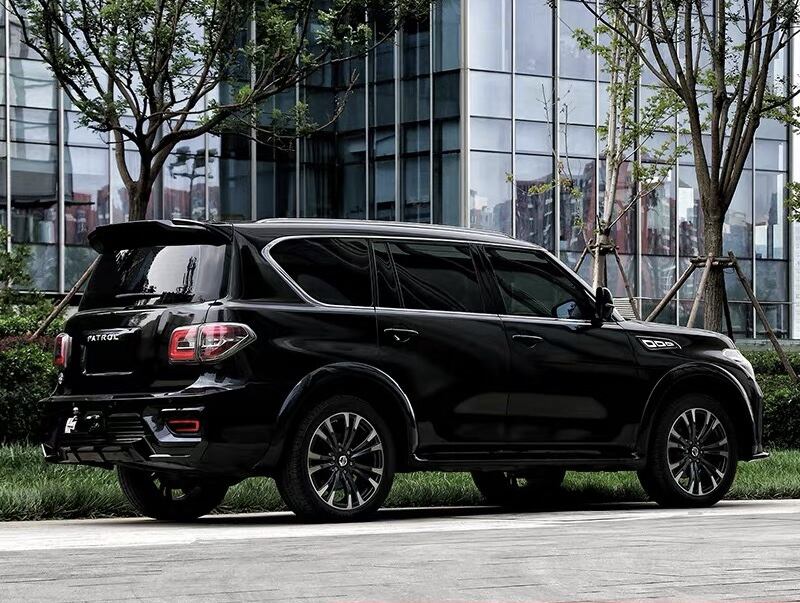
Off-road enthusiasts who drive Nissan Patrol vehicles often seek body kits that enhance both performance and aesthetics for challenging terrain adventures. While the lexus 570 remains a popular reference point for luxury SUV modifications, Nissan Patrol owners have developed distinct preferences for body kit configurations that maximize durability, ground clearance, and aggressive styling suited for desert, mountain, and trail environments.
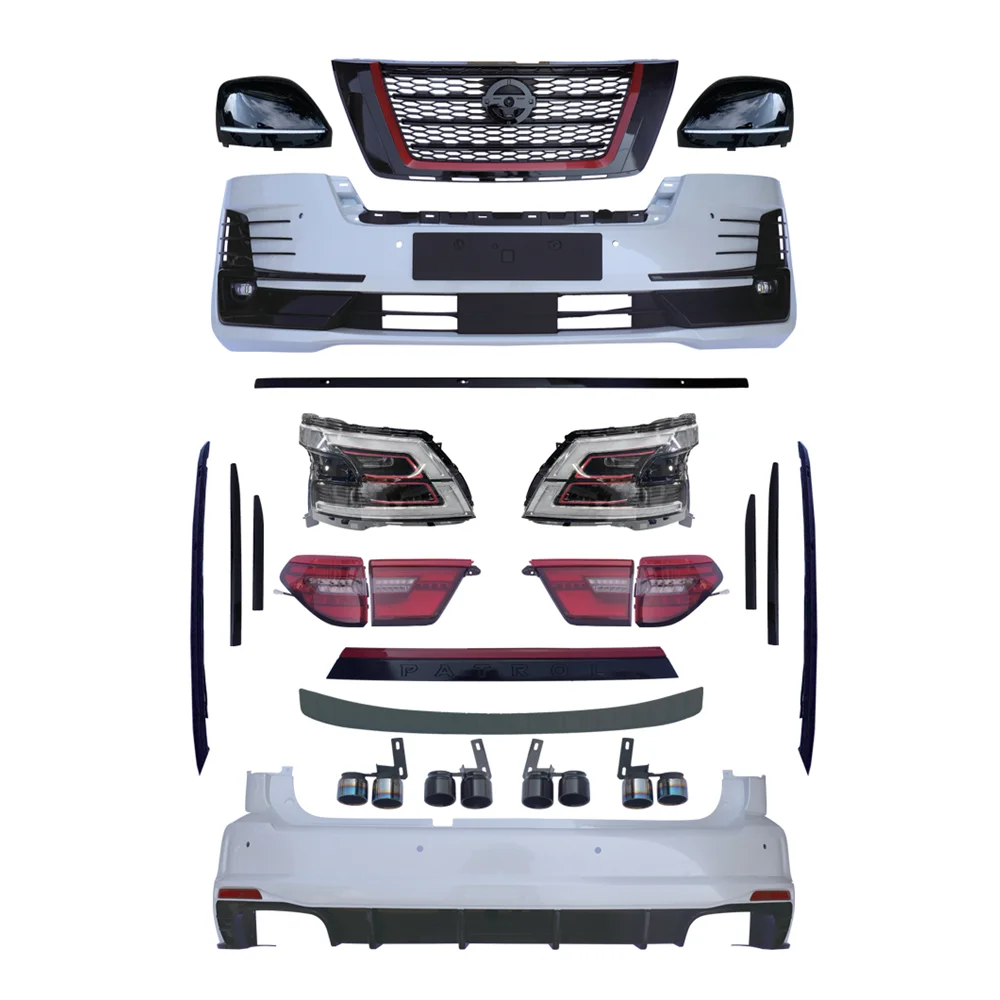
The selection criteria for Nissan Patrol body kits among off-road communities differs significantly from standard street modifications, as drivers prioritize functional improvements over purely cosmetic enhancements. Understanding which specific body kit styles, materials, and configurations earn favor from serious off-road enthusiasts requires examining the practical demands of extreme terrain navigation and the proven performance records of different modification approaches.
Performance-Focused Body Kit Characteristics Preferred by Off-Road Communities
Enhanced Ground Clearance and Approach Angles
Off-road fans consistently favor Nissan Patrol body kits that increase ground clearance and improve approach angles for navigating steep inclines, rock crawling, and deep sand traversal. These modifications typically include raised front bumpers with integrated skid plates, extended fender flares that accommodate larger tire configurations, and rear bumper designs that eliminate departure angle restrictions. The lexus 570 platform demonstrates similar principles in luxury off-road applications, where clearance optimization directly impacts trail capability.
Successful ground clearance modifications for Nissan Patrol vehicles often incorporate reinforced mounting points that distribute impact stress across the chassis frame rather than concentrating forces on individual attachment points. This engineering approach prevents damage during aggressive off-road maneuvers and extends the operational lifespan of both the body kit components and the underlying vehicle structure.
The most favored configurations include front bumper assemblies with integrated winch mounting capabilities, removable approach ramps for extreme angle navigation, and modular design elements that allow field repairs or component replacement during extended expedition travel.
Durability Materials and Construction Standards
Material selection represents a critical factor in body kit preferences among serious off-road enthusiasts, with aluminum alloy, high-grade steel, and reinforced polymer composites emerging as the most trusted options. These materials must withstand repeated impact from rocks, branches, sand abrasion, and thermal cycling from desert heat to mountain cold conditions.
Aluminum construction offers optimal weight-to-strength ratios for Nissan Patrol applications, reducing unsprung weight while maintaining structural integrity under extreme stress conditions. Steel components provide maximum impact resistance for heavy-duty applications but require careful corrosion protection in marine or high-humidity environments where many off-road adventures occur.
Advanced polymer composites combine flexibility with impact absorption, making them particularly effective for fender extensions and lower body panels that experience frequent contact with trail obstacles. The material choice directly influences both performance characteristics and long-term maintenance requirements for dedicated off-road use.
Functional Integration Features That Define Popular Configurations
Winch Integration and Recovery Equipment Mounting
The most favored Nissan Patrol body kits among off-road communities integrate comprehensive recovery equipment mounting systems that support winches, tow points, recovery boards, and emergency gear storage. These functional elements distinguish serious off-road modifications from aesthetic-only body kits that lack practical utility in challenging terrain situations.
Front bumper designs that accommodate both electric and hydraulic winch systems while maintaining optimal weight distribution earn particular favor from expedition drivers and competitive off-road racers. The mounting geometry must support pulling forces from multiple angles without transferring excessive stress to the vehicle's frame or suspension mounting points.
Integrated tow point positioning follows standardized off-road recovery protocols, ensuring compatibility with common recovery equipment and techniques used by off-road communities worldwide. This standardization proves essential for group expeditions and organized off-road events where vehicle recovery assistance relies on predictable mounting configurations.
Lighting System Integration and Visibility Enhancement
Off-road enthusiasts consistently prioritize body kit configurations that support extensive auxiliary lighting systems for night driving, dust penetration, and low-visibility weather conditions. Popular Nissan Patrol body kit designs incorporate mounting provisions for LED light bars, spotlights, fog lights, and rock lights that illuminate the immediate driving path and surrounding terrain features.
The electrical integration requirements for comprehensive lighting systems influence body kit design geometry, with successful configurations providing protected wiring pathways, switching accessibility, and heat dissipation management for high-output LED arrays. These considerations directly impact both installation complexity and long-term reliability in harsh environmental conditions.
Wiring harness protection becomes particularly critical in off-road applications where vibration, moisture, temperature extremes, and physical impact can compromise electrical connections. The most favored body kit designs incorporate sealed connector systems and redundant pathway options that maintain lighting functionality even when individual circuits experience damage or failure.
Aerodynamic Considerations and High-Speed Stability Features
Desert Racing and High-Speed Off-Road Performance
Off-road enthusiasts who participate in desert racing or high-speed trail running favor Nissan Patrol body kit configurations that maintain aerodynamic stability while preserving the functional benefits of increased ground clearance and approach angles. These applications require careful balance between aggressive off-road capability and stable high-speed handling characteristics.
Front air dam designs that direct airflow around rather than under the vehicle help maintain downforce and reduce lift at elevated speeds while still providing adequate clearance for obstacle navigation. Side panel modifications that manage airflow separation prevent turbulence that can affect vehicle stability during sustained high-speed operation across varied terrain surfaces.
Rear spoiler integration in off-road body kit configurations serves dual purposes of high-speed stability enhancement and equipment mounting for spare tire carriers, fuel storage, or camping gear systems. The aerodynamic optimization must account for the additional drag and weight distribution effects of expedition equipment loads.
Dust Management and Ventilation Optimization
Effective dust management represents a critical performance factor in off-road body kit design, particularly for Nissan Patrol vehicles operating in arid environments where fine particulate infiltration can damage mechanical systems and compromise occupant comfort. Popular configurations incorporate strategic airflow management that minimizes dust ingestion while maintaining adequate cooling for engine and drivetrain components.
Intake positioning and protective screening prevent debris ingestion that can damage engine internals or clog filtration systems during extended off-road operation. The body kit design must balance protective coverage with the airflow requirements for optimal engine performance under varying load and temperature conditions.
Cabin ventilation considerations influence side panel and rear body modifications that affect airflow patterns around the vehicle. Successful designs minimize positive pressure buildup that can force dust infiltration through door seals, window gaps, and ventilation systems.
Installation Complexity and Maintenance Requirements
Field Serviceability and Modular Design Advantages
Off-road enthusiasts consistently favor Nissan Patrol body kit configurations that support field maintenance and component replacement without requiring specialized tools or extensive disassembly procedures. This preference stems from the practical reality of component damage during aggressive off-road use and the need for repairs in remote locations with limited resources.
Modular mounting systems that use standardized fastener specifications and accessible connection points enable quick component swapping or temporary repairs using common tools and supplies typically carried on extended off-road expeditions. The design philosophy prioritizes functional restoration over cosmetic perfection during field maintenance scenarios.
Component interchangeability between different body kit configurations provides additional flexibility for users who modify their vehicle setup based on specific trip requirements or evolving performance needs. This adaptability proves particularly valuable for enthusiasts who participate in varied off-road disciplines requiring different optimization approaches.
Long-Term Durability and Replacement Part Availability
The most favored body kit configurations among serious off-road enthusiasts demonstrate proven longevity under sustained abuse while maintaining reasonable replacement part availability and cost structures. These factors directly influence the total cost of ownership for vehicles subjected to regular extreme use conditions.
Component standardization across multiple vehicle platforms reduces replacement part inventory requirements and improves availability in international markets where off-road enthusiasts frequently travel. This consideration becomes particularly important for expedition vehicles that may require parts sourcing in remote geographic regions with limited automotive supply infrastructure.
Warranty support and manufacturer backing for off-road applications varies significantly between different body kit suppliers, with the most successful products offering comprehensive coverage for manufacturing defects while providing realistic guidelines for user modifications and extreme use applications.
Cost-Effectiveness and Value Considerations
Performance Return on Investment Analysis
Off-road enthusiasts evaluate Nissan Patrol body kit investments based on measurable performance improvements rather than purely aesthetic considerations, leading to preferences for configurations that deliver quantifiable benefits in ground clearance, approach angles, equipment integration, and durability enhancement. This analytical approach helps distinguish between marketing claims and actual functional advantages.
The most favored body kit configurations demonstrate clear performance advantages that justify their purchase price through improved off-road capability, reduced vehicle damage risk, and enhanced expedition self-sufficiency. These tangible benefits create measurable value for serious off-road users who depend on vehicle reliability in challenging conditions.
Installation labor costs and complexity factors influence the overall investment equation, with simpler mounting systems and comprehensive installation documentation reducing the total cost of achieving the desired performance improvements. Professional installation requirements can significantly impact the economic viability of complex body kit configurations.
Resale Value and Market Acceptance Factors
Body kit modifications that maintain or enhance vehicle resale value earn preference from off-road enthusiasts who periodically upgrade their equipment or sell vehicles to fund new expedition projects. The most successful configurations avoid permanent modifications that cannot be reversed or that significantly alter the vehicle's original character.
Market acceptance of specific body kit styles varies by geographic region and local off-road community preferences, with universal designs earning broader appeal than region-specific or highly specialized configurations. This consideration influences both immediate usability and long-term ownership flexibility.
The relationship between body kit investment and vehicle equity preservation requires careful evaluation of modification reversibility, component retention value, and market demand for modified vehicles versus stock configurations. Understanding these factors helps optimize the modification strategy for individual ownership objectives and financial constraints.
FAQ
What are the most important features off-road fans look for in Nissan Patrol body kits?
Off-road enthusiasts prioritize increased ground clearance, improved approach and departure angles, integrated recovery equipment mounting, auxiliary lighting support, and durable construction materials that withstand repeated impact and environmental stress. Functional integration takes precedence over purely aesthetic modifications.
How do material choices affect body kit performance in off-road applications?
Material selection directly impacts weight distribution, impact resistance, corrosion protection, and repair feasibility. Aluminum alloys offer optimal strength-to-weight ratios, steel provides maximum impact resistance, and advanced polymer composites deliver flexibility with impact absorption for different application requirements.
Why is modular design important for off-road body kit configurations?
Modular design enables field maintenance, component replacement without specialized tools, and configuration adaptation for different off-road disciplines. This flexibility proves essential for expedition vehicles and enthusiasts who require reliable field serviceability in remote locations with limited resources.
How do aerodynamic considerations influence body kit selection for high-speed off-road use?
High-speed off-road applications require body kits that maintain aerodynamic stability while preserving ground clearance and approach angles. Successful designs manage airflow to prevent lift and turbulence while incorporating dust management features that protect mechanical systems and occupant comfort during sustained operation.
Table of Contents
- Performance-Focused Body Kit Characteristics Preferred by Off-Road Communities
- Functional Integration Features That Define Popular Configurations
- Aerodynamic Considerations and High-Speed Stability Features
- Installation Complexity and Maintenance Requirements
- Cost-Effectiveness and Value Considerations
-
FAQ
- What are the most important features off-road fans look for in Nissan Patrol body kits?
- How do material choices affect body kit performance in off-road applications?
- Why is modular design important for off-road body kit configurations?
- How do aerodynamic considerations influence body kit selection for high-speed off-road use?