 EN
EN




The automotive aftermarket industry continues to expand rapidly, creating substantial opportunities for distributors who understand which products deliver the highest profit margins. Among the most lucrative segments, car bumpers stand out as particularly attractive investments for automotive distributors seeking consistent revenue streams. The growing demand for vehicle customization, combined with frequent collision repairs and replacement needs, positions bumpers as essential inventory items that generate reliable returns across multiple market segments.
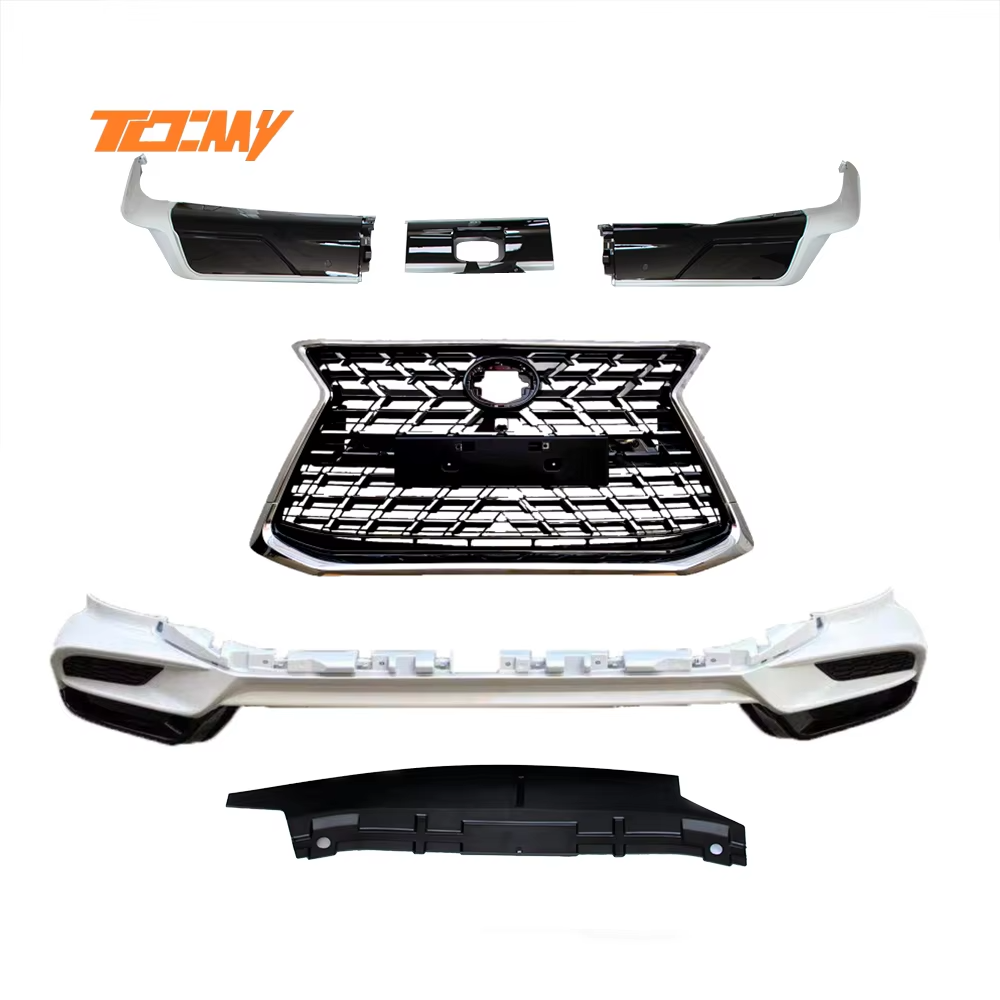
Modern automotive distributors face increasing pressure to identify product categories that offer both volume sales potential and healthy profit margins. Car bumpers represent an ideal solution, combining steady market demand with attractive markup opportunities. Whether serving collision repair shops, custom modification enthusiasts, or vehicle restoration projects, bumpers provide distributors with diverse revenue channels that span multiple customer segments and price points.
The profitability potential becomes even more apparent when considering the frequency of bumper replacement needs across different vehicle types. From compact cars to luxury SUVs like the lx570, vehicle owners regularly require bumper replacements due to parking incidents, minor collisions, and styling upgrades. This consistent demand creates predictable sales cycles that enable distributors to maintain steady inventory turnover and cash flow.
Market Demand Drivers for Automotive Bumper Distribution
Growing Vehicle Customization Trends
The automotive customization market has experienced unprecedented growth over the past decade, with vehicle owners increasingly seeking ways to personalize their cars and trucks. Bumpers serve as one of the most visible and impactful modification points, making them highly sought-after products among enthusiasts and casual consumers alike. This trend particularly affects luxury vehicle segments, where owners of models like the lx570 often invest significant amounts in aesthetic improvements.
Custom bumper installations have become mainstream across all vehicle categories, from economy cars to high-end luxury models. Professional installers and DIY enthusiasts both contribute to sustained demand, creating multiple distribution channels for savvy automotive parts suppliers. The rise of social media platforms showcasing modified vehicles has further accelerated this trend, inspiring more vehicle owners to pursue bumper upgrades and replacements.
Insurance-Related Replacement Market
Insurance claim processing represents one of the most consistent revenue sources for bumper distributors. Minor accidents and parking lot incidents frequently result in bumper damage that requires professional replacement rather than repair. Insurance companies typically prefer aftermarket parts that meet OEM specifications while offering cost savings compared to dealership alternatives.
The collision repair industry relies heavily on distributors who can provide quick delivery and competitive pricing for replacement bumpers. Shops serving insurance customers need reliable suppliers who stock popular models and can fulfill orders within tight timeframes. This creates opportunities for distributors to establish long-term relationships with repair facilities while maintaining consistent order volumes.
Profit Margin Analysis for Bumper Distribution
Wholesale to Retail Markup Opportunities
Bumper distribution offers attractive markup potential across multiple sales channels, with wholesale margins typically ranging from 40% to 60% depending on product category and volume commitments. Aftermarket bumpers generally provide higher profit margins than OEM replacements, while still meeting quality standards required by professional installers and discerning customers.
Premium vehicle segments, including luxury SUV models like the lx570, command particularly strong margins due to higher replacement costs and specialized fitment requirements. Distributors who focus on these market segments often achieve superior profitability while serving customers willing to pay premium prices for quality components and reliable service.
The key to maximizing margins lies in understanding customer segments and tailoring inventory accordingly. Professional shops prioritize quick delivery and consistent quality, while individual consumers may focus more heavily on price comparisons and visual appeal. Successful distributors develop pricing strategies that capture value from both segments while maintaining competitive positioning.
Volume-Based Pricing Advantages
Large-scale bumper distributors benefit from significant volume discounts that enable competitive retail pricing while preserving healthy margins. Manufacturers typically offer tiered pricing structures that reward consistent purchasing volumes and long-term partnerships. These relationships become particularly valuable when dealing with popular vehicle models that generate steady replacement demand.
Strategic inventory management allows distributors to capitalize on seasonal demand fluctuations and regional market variations. Winter months often see increased collision-related replacements, while summer periods typically drive more customization projects. Understanding these patterns enables distributors to optimize purchasing timing and inventory levels for maximum profitability.
Supply Chain Management for Bumper Distribution
Inventory Planning and Management
Effective bumper distribution requires sophisticated inventory management systems that balance carrying costs against stockout risks. Popular vehicle models demand consistent stock levels, while specialty applications like lx570 bumpers may require more strategic ordering based on regional demand patterns and seasonal variations.
Modern distributors increasingly rely on data analytics to optimize inventory decisions, tracking sales velocity, seasonal trends, and regional preferences to maintain optimal stock levels. Automated reordering systems help ensure popular items remain available while minimizing excess inventory exposure for slower-moving products.
The physical characteristics of bumpers present unique storage and handling challenges that impact distribution costs. Large, irregularly shaped products require specialized warehouse configurations and handling equipment. Successful distributors invest in appropriate storage systems and develop efficient picking and packing procedures to minimize labor costs and damage risks.
Quality Control and Certification Requirements
Professional bumper distribution demands rigorous quality control processes to ensure products meet safety and fitment standards required by insurance companies and professional installers. Distributors must verify that aftermarket bumpers comply with relevant safety regulations while providing proper documentation for insurance claim processing.
Certification requirements vary by region and application, with some markets requiring specific testing documentation or manufacturer warranties. Distributors who maintain comprehensive quality assurance programs often command premium pricing while reducing returns and warranty claims that erode profitability.
Customer Segment Strategies for Maximum Profitability
Professional Collision Repair Markets
Collision repair shops represent the most consistent and predictable customer segment for bumper distributors. These professionals require reliable suppliers who can provide quality products with consistent delivery schedules and competitive pricing. Building relationships with repair facilities often leads to exclusive or preferred supplier arrangements that guarantee steady order volumes.
Professional customers typically prioritize factors beyond price alone, including product quality, delivery reliability, and technical support. Distributors who excel in these areas often secure long-term contracts that provide predictable revenue streams and reduced customer acquisition costs. The lx570 and similar luxury vehicle segments frequently generate premium service fees that repair shops willingly pass through to customers.
Enthusiast and Custom Installation Markets
The automotive enthusiast market offers substantial profit opportunities for distributors willing to invest in specialized inventory and customer service. Custom bumper applications often command premium pricing while attracting customers who prioritize quality and unique styling over cost considerations alone.
Online sales channels have transformed the enthusiast market, enabling distributors to reach customers nationwide while showcasing product details and installation information. Social media marketing and automotive forum participation help build brand recognition and customer loyalty within enthusiast communities.
Educational content and technical support become particularly important when serving DIY customers who may require guidance on product selection and installation procedures. Distributors who provide comprehensive support often build strong customer relationships that generate repeat purchases and referral business.
Technology and E-commerce Integration
Digital Catalog Management
Modern bumper distribution increasingly relies on sophisticated catalog management systems that enable customers to quickly identify compatible products for specific vehicle applications. Advanced fitment databases help ensure accurate product selection while reducing returns due to compatibility issues.
High-quality product photography and detailed specifications become essential for online sales success. Customers need clear visual information to assess product quality and fitment before making purchasing decisions. Investment in professional photography and detailed product descriptions often translates directly into improved conversion rates and reduced return rates.
Order Processing and Logistics Optimization
Efficient order processing systems enable distributors to compete effectively on delivery speed while maintaining cost control. Automated systems can route orders to appropriate warehouse locations, optimize shipping methods, and provide real-time tracking information that enhances customer satisfaction.
Strategic shipping partnerships become particularly important for large, heavy products like bumpers. Distributors often negotiate volume discounts with freight carriers while offering customers multiple delivery options ranging from economy ground service to expedited shipping for urgent replacement needs.
FAQ
What profit margins can automotive distributors typically expect from bumper sales
Automotive distributors commonly achieve gross margins between 40% and 60% on bumper sales, with premium vehicle applications like lx570 models often commanding higher margins due to specialized fitment requirements and customer willingness to pay for quality. Aftermarket bumpers generally provide better margins than OEM replacements while still meeting professional installation standards.
How important is inventory management for successful bumper distribution
Effective inventory management is crucial for bumper distribution success due to the large size and storage requirements of these products. Distributors must balance carrying costs against stockout risks while maintaining appropriate inventory levels for popular vehicle models. Data-driven inventory systems help optimize purchasing decisions and minimize excess stock exposure.
What customer segments offer the best profitability for bumper distributors
Professional collision repair shops typically provide the most consistent and predictable revenue streams, while automotive enthusiasts often generate higher per-transaction profits through premium product sales. Luxury vehicle segments, including models like the lx570, frequently offer superior margins due to specialized requirements and reduced price sensitivity among customers.
How do quality control requirements impact bumper distribution profitability
Rigorous quality control processes are essential for maintaining customer relationships and minimizing returns that erode profitability. Distributors who invest in comprehensive quality assurance programs often command premium pricing while reducing warranty claims and customer dissatisfaction that can damage long-term business relationships.
Table of Contents
- Market Demand Drivers for Automotive Bumper Distribution
- Profit Margin Analysis for Bumper Distribution
- Supply Chain Management for Bumper Distribution
- Customer Segment Strategies for Maximum Profitability
- Technology and E-commerce Integration
-
FAQ
- What profit margins can automotive distributors typically expect from bumper sales
- How important is inventory management for successful bumper distribution
- What customer segments offer the best profitability for bumper distributors
- How do quality control requirements impact bumper distribution profitability