 EN
EN


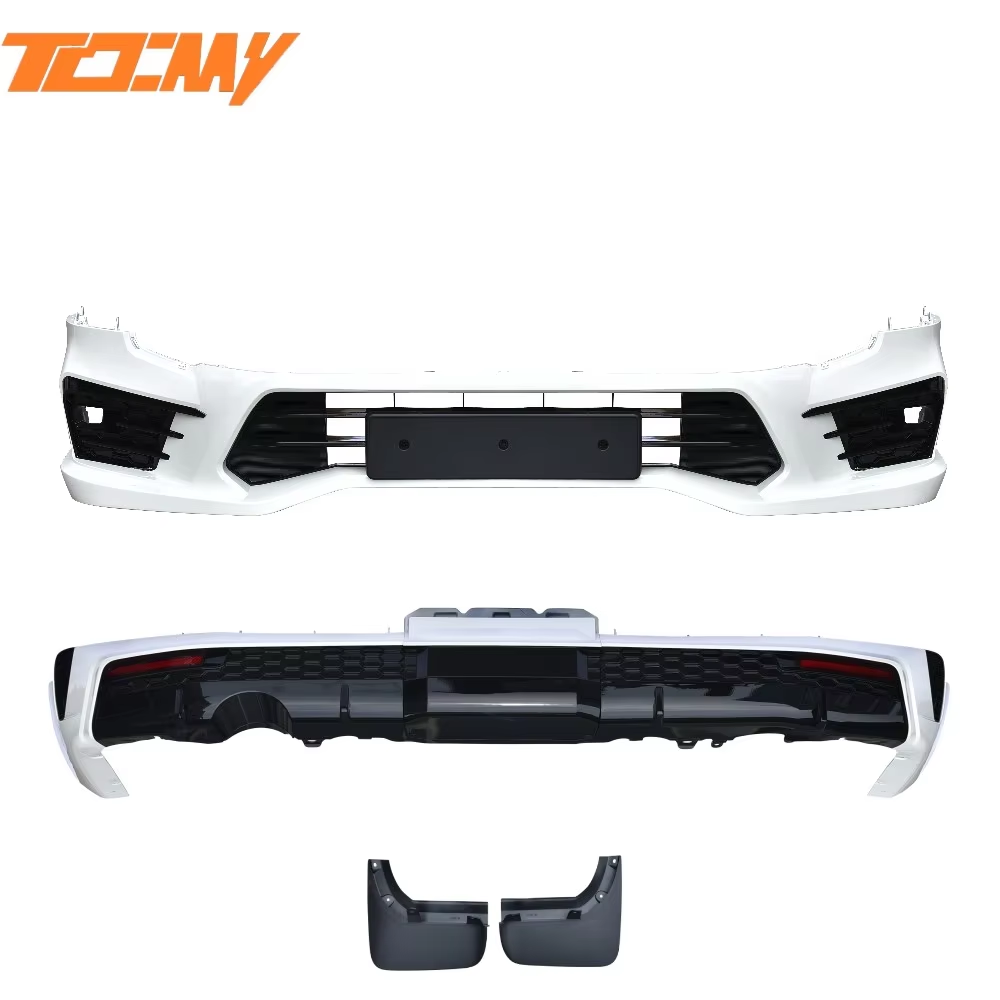
Car body kit modifications have evolved dramatically in recent years, with automotive enthusiasts pushing the boundaries of style, functionality, and performance. From aggressive wide-body designs to subtle aerodynamic enhancements, the latest trends reflect a growing demand for personalization and improved vehicle dynamics. These modifications range from complete front and rear bumper replacements to comprehensive body transformations that completely alter a vehicle's appearance and performance characteristics.
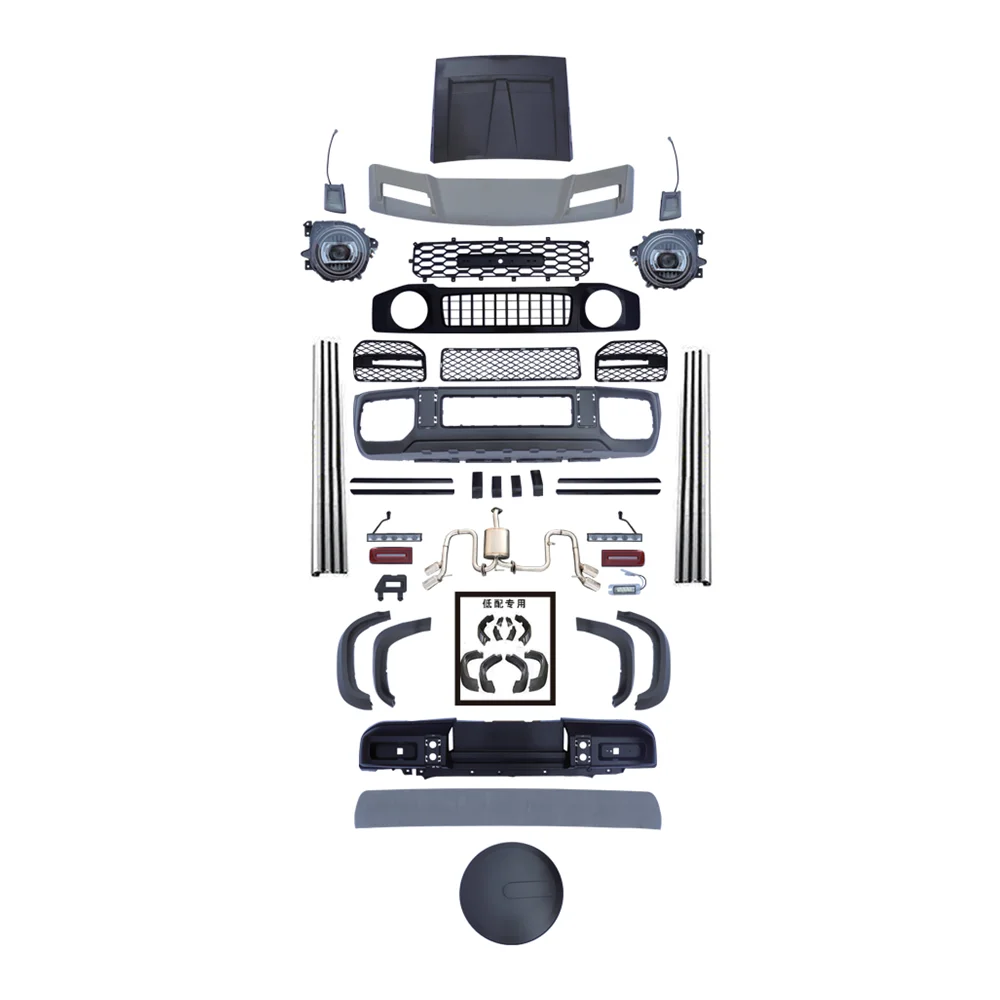
The current landscape of body kit modifications encompasses everything from luxury SUVs like the lexus 570 to compact sports cars and off-road vehicles. Modern body kit trends emphasize not only visual impact but also functional benefits such as improved aerodynamics, enhanced cooling, and better road presence. The integration of advanced materials, sophisticated design software, and precision manufacturing techniques has elevated body kit modifications from simple aesthetic upgrades to engineered performance enhancements.
Wide-Body Kit Integration and Aggressive Styling
Flared Fender Extensions and Wheel Arch Modifications
Wide-body modifications have become increasingly sophisticated, with manufacturers developing comprehensive kits that extend vehicle width while maintaining structural integrity. These modifications typically involve replacing or extending existing fender panels to accommodate wider wheels and tires, creating a more aggressive stance. The lexus 570 and similar luxury SUVs have seen significant adoption of these wide-body treatments, transforming their appearance from conservative luxury vehicles to bold, road-commanding presence.
Modern wide-body kits incorporate advanced attachment methods that ensure proper fitment without compromising vehicle safety or structural integrity. The latest designs feature seamless integration with existing body lines, creating the appearance of factory-engineered modifications. These kits often include reinforced mounting points and utilize high-strength adhesives combined with mechanical fasteners to ensure long-term durability under various driving conditions.
Functional Aerodynamic Elements
Contemporary body kit trends emphasize functional aerodynamic components that provide measurable performance benefits. Front splitters, side skirts, and rear diffusers are now designed using computational fluid dynamics to optimize airflow around the vehicle. These components reduce lift, improve high-speed stability, and can even enhance fuel efficiency when properly integrated. The lexus 570 platform benefits significantly from these aerodynamic enhancements, particularly in highway driving conditions.
Active aerodynamic elements represent the cutting edge of body kit technology, with some modifications incorporating adjustable spoilers, retractable splitters, and variable air intakes. These systems automatically adjust based on driving conditions, speed, and performance requirements, providing optimal aerodynamic efficiency across various scenarios. Such sophisticated systems are increasingly being adapted for luxury SUV platforms, bringing race-inspired technology to everyday driving applications.
Material Innovation and Manufacturing Advances
Carbon Fiber and Composite Construction
The latest body kit modifications increasingly utilize advanced composite materials, with carbon fiber leading the charge in high-performance applications. Modern carbon fiber body kits offer superior strength-to-weight ratios compared to traditional fiberglass or polyurethane alternatives. These materials provide enhanced durability, improved impact resistance, and significant weight savings that can positively impact vehicle performance and handling characteristics.
Manufacturing processes have advanced to include autoclave curing, resin transfer molding, and hybrid construction techniques that combine multiple materials for optimal performance. The lexus 570 and similar vehicles benefit from these material advances through reduced unsprung weight and improved structural integrity. Visible carbon fiber weaves have also become a distinct styling element, with manufacturers offering various weave patterns and finish options to match individual preferences.
Thermoplastic and Injection-Molded Components
Thermoplastic body kit components represent a significant trend toward durability and flexibility in modification applications. These materials offer excellent impact resistance, UV stability, and long-term color retention without the brittleness associated with traditional thermoset plastics. Injection molding techniques enable precise reproduction of complex geometries and tight tolerances, ensuring consistent fitment across multiple vehicle platforms.
The flexibility of thermoplastic materials makes them particularly suitable for vehicles that experience varied driving conditions or minor impacts. Unlike traditional body kit materials that may crack or shatter, thermoplastic components can flex and return to their original shape, reducing maintenance requirements and extending service life. This characteristic makes them ideal for the lexus 570 platform, which may encounter off-road conditions or urban driving challenges.
Integrated Lighting and Electronic Enhancement
LED Integration and Accent Lighting
Modern body kit modifications increasingly incorporate integrated lighting elements that enhance both aesthetics and functionality. LED accent strips, integrated turn signals, and functional daytime running lights are being seamlessly integrated into front splitters, side skirts, and rear diffusers. These lighting elements provide improved visibility while creating distinctive visual signatures that set modified vehicles apart from stock configurations.
Advanced lighting control systems allow for programmable sequences, color customization, and synchronization with vehicle functions. Some body kit modifications include lighting that responds to vehicle speed, braking, or turning inputs, creating dynamic visual effects that enhance safety and style. The lexus 570 platform supports these sophisticated lighting integrations through its advanced electrical architecture and communication networks.
Sensor Integration and Technology Compatibility
Contemporary body kit designs must accommodate increasingly sophisticated vehicle sensor systems, including radar, lidar, and camera-based safety features. Modern body kit manufacturers invest significant resources in ensuring their modifications maintain full compatibility with factory safety systems and autonomous driving features. This requires precise engineering to maintain sensor sight lines and avoid interference with electronic systems.
The integration challenge extends to parking sensors, adaptive cruise control systems, and blind-spot monitoring technologies that rely on specific sensor placement and orientation. Body kit modifications for vehicles like the lexus 570 must carefully consider these requirements to maintain full functionality while achieving desired aesthetic and performance goals. This has led to the development of sensor-compatible mounting systems and specially designed component geometries.
Customization and Personalization Trends
Modular Design Systems
The latest trend in body kit modifications emphasizes modular design systems that allow owners to customize their modifications over time. These systems feature interchangeable components that can be mixed and matched to create unique configurations or adapted as preferences evolve. Modular approaches enable gradual modification implementation, spreading costs over time while allowing for experimentation with different aesthetic directions.
Manufacturers are developing standardized mounting interfaces and connection systems that ensure compatibility across different component generations and style variations. This approach provides long-term value for owners of vehicles like the lexus 570, allowing them to update or modify their body kits without complete replacement. The modular concept also facilitates repair and maintenance by enabling individual component replacement rather than entire kit renewal.
3D Printing and Custom Manufacturing
Additive manufacturing technologies are revolutionizing custom body kit production, enabling one-off modifications and rapid prototyping of unique designs. 3D printing allows for complex geometries that would be difficult or impossible to achieve through traditional manufacturing methods. This technology enables small-batch production of specialized components and facilitates custom modifications tailored to specific vehicle configurations or owner preferences.
The democratization of design tools and manufacturing capabilities means that custom body kit components can be developed and produced more efficiently than ever before. Vehicle owners can participate directly in the design process, creating modifications that reflect their individual vision while maintaining professional quality and fitment standards. For platforms like the lexus 570, this opens possibilities for truly unique modifications that distinguish individual vehicles from the broader modified community.
Performance Integration and Functional Enhancement
Cooling System Integration
Advanced body kit modifications increasingly incorporate functional cooling enhancements that improve vehicle performance and reliability. Front bumper modifications include enlarged air intakes, functional brake cooling ducts, and engine bay ventilation systems that enhance thermal management. These functional elements provide measurable performance benefits while contributing to the aggressive aesthetic that characterizes modern body kit modifications.
Heat management becomes particularly important for high-performance applications and vehicles operating in demanding conditions. Body kit modifications for the lexus 570 platform can include additional radiator ducting, transmission cooler integration, and brake cooling systems that extend component life and maintain performance under stress. These functional enhancements represent the evolution of body kits from purely aesthetic modifications to integrated performance systems.
Suspension and Handling Integration
Contemporary body kit trends include modifications that complement suspension upgrades and handling enhancements. Lower ride heights, wider track widths, and altered aerodynamics require careful integration to achieve optimal results. Body kit manufacturers increasingly work with suspension companies to develop coordinated modification packages that optimize both appearance and performance characteristics.
The relationship between body modifications and vehicle dynamics has become increasingly sophisticated, with some modifications specifically designed to enhance handling characteristics. Aerodynamic elements provide functional downforce, side skirts manage airflow along the vehicle sides, and rear diffusers optimize rear-end aerodynamics for improved stability. For the lexus 570 platform, these integrated approaches can transform handling characteristics while maintaining the luxury and comfort expected from the platform.
FAQ
What materials are most commonly used in modern body kit modifications?
Modern body kit modifications primarily utilize carbon fiber composites, thermoplastic materials, and advanced polyurethane formulations. Carbon fiber offers the best strength-to-weight ratio and premium appearance, while thermoplastics provide excellent durability and impact resistance. High-quality polyurethane remains popular for its flexibility and ease of repair, particularly for vehicles like the lexus 570 that may encounter varied driving conditions.
How do contemporary body kits maintain compatibility with vehicle safety systems?
Contemporary body kit manufacturers invest heavily in sensor compatibility testing and design engineering to ensure modifications maintain full functionality of factory safety systems. This includes careful placement of radar and camera sensors, maintaining proper sight lines for autonomous driving features, and ensuring parking sensors remain operational. For vehicles like the lexus 570, this compatibility is essential for maintaining advanced safety features while achieving desired aesthetic modifications.
What performance benefits can modern body kit modifications provide?
Modern body kit modifications can provide significant aerodynamic improvements, enhanced cooling capacity, and improved vehicle stability at highway speeds. Functional elements like front splitters, side skirts, and rear diffusers reduce lift and improve downforce, while integrated cooling systems enhance thermal management for engines, transmissions, and braking systems. The lexus 570 platform particularly benefits from these performance enhancements during highway driving and demanding operating conditions.
How has manufacturing technology affected body kit quality and availability?
Advanced manufacturing technologies including 3D printing, CNC machining, and sophisticated molding processes have dramatically improved body kit quality while reducing production costs and lead times. These technologies enable more precise fitment, consistent quality, and the ability to produce smaller batches of specialized components. For platforms like the lexus 570, this means access to higher-quality modifications with better fitment and longer service life than previous generations of body kit modifications.